Quick Answer
Ascot is an inner-east Perth suburb that suits buyers who value riverside amenity, established streets, and long-term holding appeal more than bargain entry. It typically attracts owner-occupiers, downsizers, and investors seeking stable tenant demand rather than the highest cash flow. If you buy here, focus on land position, home condition, and site-specific risks such as drainage or renovation quality. The best opportunities are usually well-presented homes with practical layouts and easy access to daily amenity.
Key Takeaways
- Ascot is a lifestyle-led, tightly held market where location, presentation, and land value often matter more than headline size.
- Buyer demand is usually strongest for well-kept homes that feel move-in ready and reduce near-term maintenance.
- Investors tend to favour Ascot for tenant quality and retention rather than chasing high immediate yields.
- Older homes can offer upside, but only if inspections confirm renovation quality, structure, and drainage are sound.
- Nearby alternatives should be compared on commute, housing type, and long-term ownership costs, not just postcode prestige.
Pros & Cons
Pros
- Inner-east location with strong lifestyle appeal and easy access to central Perth connections.
- Established suburb character that tends to support owner-occupier demand and long-term confidence.
- Good fit for buyers wanting a quality holding asset rather than a speculative, high-turnover purchase.
Cons
- Entry can feel premium relative to some nearby suburbs, especially for well-located or renovated stock.
- Quality listings can be limited, which can increase competition and reduce negotiation room.
- Older homes may carry maintenance, drainage, or renovation-risk issues that need careful due diligence.
Market Overview
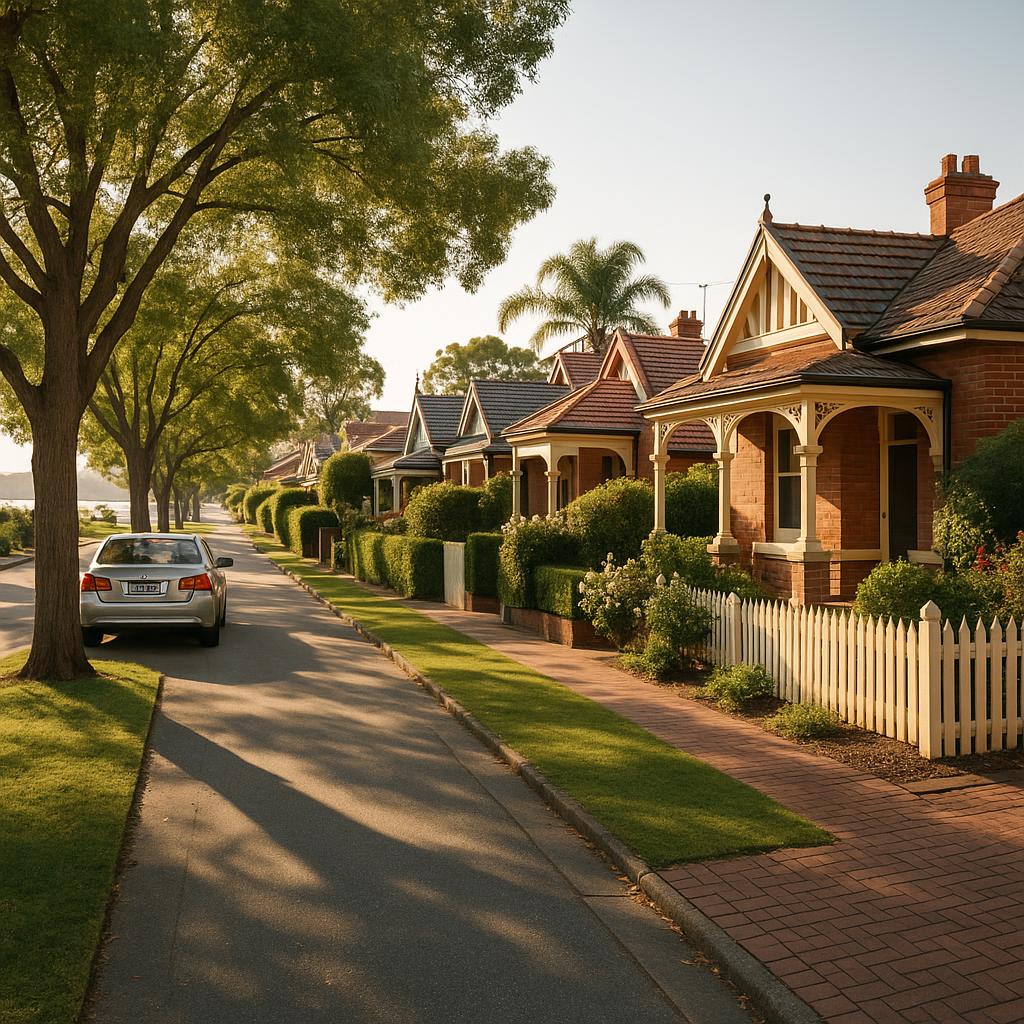
Ascot sits in Perth’s inner east and is commonly viewed as a prestige-leaning, riverside-adjacent suburb with strong owner-occupier appeal. For many buyers, its value comes from the combination of established streets, proximity to the Swan River, and convenient access to central employment areas rather than from new-build density or a purely yield-driven profile.
That matters because Ascot is not usually the sort of suburb where you buy aggressively on price alone. The market tends to reward homes that are well located within the suburb, well maintained, and easy to live in. In practical terms, a tidy, functional property can outperform a larger but tired home if it better suits daily use and future resale.
For investors and homeowners, the key is to separate suburb quality from property quality. A strong suburb does not make every listing a good buy. In Ascot, due diligence around renovation quality, site conditions, and holding costs is especially important because buyers often pay for certainty, not just bricks and mortar.
Buyer Demand
Demand in Ascot is generally supported by a mix of lifestyle buyers, established families, downsizers, and investors looking for durable tenant appeal. That diverse buyer pool helps create depth, particularly for homes that are clean, functional, and sensibly priced for their condition.
Competition is usually strongest for properties that reduce friction: a good layout, sensible parking, outdoor usability, and a home that does not demand immediate work. Buyers often stretch for certainty here, so presentation and renovation quality can influence the result as much as land size.
Rental Market
Ascot’s rental appeal is strongest for professional tenants, small families, and relocation renters who want a quality location with practical day-to-day convenience. Investors should think in terms of tenant stability and lower vacancy risk rather than assuming the suburb will deliver standout headline rent.
Properties that lease well are usually those with secure parking, low-maintenance finishes, good natural light, and a straightforward floorplan. Older stock can still perform, but only when upkeep is manageable and the home presents cleanly at inspection. In premium suburbs, tenant expectations are usually higher, so presentation matters.
Lifestyle, Transport & Schools
Ascot’s lifestyle draw is tied to its riverside setting, established feel, and the sense of being close to Perth without living in a dense inner-city environment. That combination often appeals to buyers who want everyday convenience plus a calmer residential atmosphere.
Transport connectivity is another practical strength. Buyers often value the ability to reach the CBD, airport-related employment, and major road links without committing to a long cross-city commute. If you are assessing a specific address, test travel times at peak and off-peak periods rather than assuming map distance equals convenience.
School considerations also matter for family buyers, but they should be verified directly through official catchment and enrolment sources. Families often hold in suburbs like Ascot longer when school access, commute, and amenity all align, which supports underlying demand over time.
Ascot (WA) Suburb Profile
Official 2021 Census snapshot for the ABS Suburbs and Localities geography.
Age profile
Housing tenure
Occupied private dwellings by tenure type.
Salary & income profile
Median total income reported in the Census.
*Annual figures are weekly median × 52 estimates, not separate ABS annual medians.
Education & qualifications
Highest educational attainment, people aged 15+.
Employment status
People aged 15+ who reported being in the labour force.
Industry of employment
Top responses among employed people aged 15 years and over.
Occupation profile
Broad occupation groups among employed residents, including managers.
Property Type Guide
- Character homes: Attractive for charm and potential uplift, but inspect carefully for hidden maintenance, ageing services, and renovation quality.
- Renovated homes: Often the easiest buy for families and investors, provided the work is genuine and not just cosmetic cover-up.
- Family homes on larger blocks: Can suit long-term holders who value space, but they need close scrutiny on land condition and future upkeep.
- Low-maintenance stock where available: Useful for downsizers and investors, though resale depth can be narrower than for broader family homes.
- Best match by buyer type: Families usually prioritise layout and parking; investors should focus on durability; downsizers should favour easy-care, secure living.
Risks & Watch-Outs
- Check for drainage, flood-related, or site-specific issues, especially on older blocks where water behaviour may not be obvious at first glance.
- Do not assume a stylish renovation is a quality renovation; hidden defects can sit behind new paint, flooring, or fixtures.
- Review titles, easements, and council records so you understand what can affect use, extensions, or future resale.
- Budget for maintenance honestly, because older homes in premium suburbs can look polished while still carrying real repair costs.
- Avoid paying a prestige premium unless the property type, holding period, and exit strategy genuinely suit your goals.
Nearby Suburbs to Compare
- Belmont WA Property Market Guide: Buyers & Investors
- Maylands WA Property Market Guide: Buyers & Investors
- Guildford WA Property Market Guide: Buyers & Investors
- Rivervale WA Property Market Guide: Buyers & Investors
- South Guildford
- Bayswater
FAQ
Is Ascot WA a good suburb for buyers?
Yes, if you value location quality, riverside proximity, and an established residential feel. Ascot tends to suit buyers who think in terms of long-term liveability and resale confidence rather than looking for the cheapest possible entry point.
Is Ascot a good suburb for investors?
It can be, particularly for investors who prioritise stable tenant demand and lower management friction. The stronger case is usually for well-kept, easy-to-maintain homes rather than properties that need major works or carry ongoing upkeep uncertainty.
What type of property is most suitable in Ascot?
That depends on your goal. For families, practical homes with good parking and outdoor use often make sense. For investors, low-maintenance dwellings with broad tenant appeal are usually easier to hold. For value-add buyers, older homes only work if due diligence is strong.
How should I compare Ascot with nearby suburbs?
Compare commute convenience, housing stock, renovation risk, and your expected hold period. Some nearby suburbs may offer better affordability or different tenant profiles, while Ascot may offer a stronger lifestyle proposition and more enduring owner-occupier demand.
What should I inspect most carefully?
Inspect the building condition, drainage, renovation quality, title details, and any signs of poor workmanship. In established suburbs, the house itself often matters more than the postcode, so a thorough inspection can materially change the buying decision.
Conclusion
Ascot is a suburb for buyers who want quality, convenience, and long-term confidence rather than fast turnover or bargain hunting. It can reward patient investors and homeowners who choose the right property type, verify the details carefully, and stay focused on holding value. In Ascot, the best purchase is usually the one that balances location, condition, and future usability.
Sources & How to Verify
- Check current listings and sold evidence on Domain so you are comparing real market activity rather than asking prices alone.
- Use realestate.com.au to review active listings, property features, and how Ascot compares with nearby suburbs in the current cycle.
- Verify suburb and dwelling characteristics with ABS if you want broader demographic or housing-context data without relying on anecdotes.
- Confirm planning, zoning, and development controls through Landgate or relevant WA planning resources before assuming a site can be extended or redeveloped.
- Check school catchment and enrolment details through WA Department of Education because catchments and intake rules can change.
- Review transport access and any route changes via Transperth so you can test actual commuting convenience, not just map distance.
- Obtain a building and pest inspection before purchase, especially for older homes where issues may not be visible during a standard viewing.
- Cross-check drainage, easements, and council records with the relevant authority so site-specific risks do not surprise you after settlement.