Quick Answer
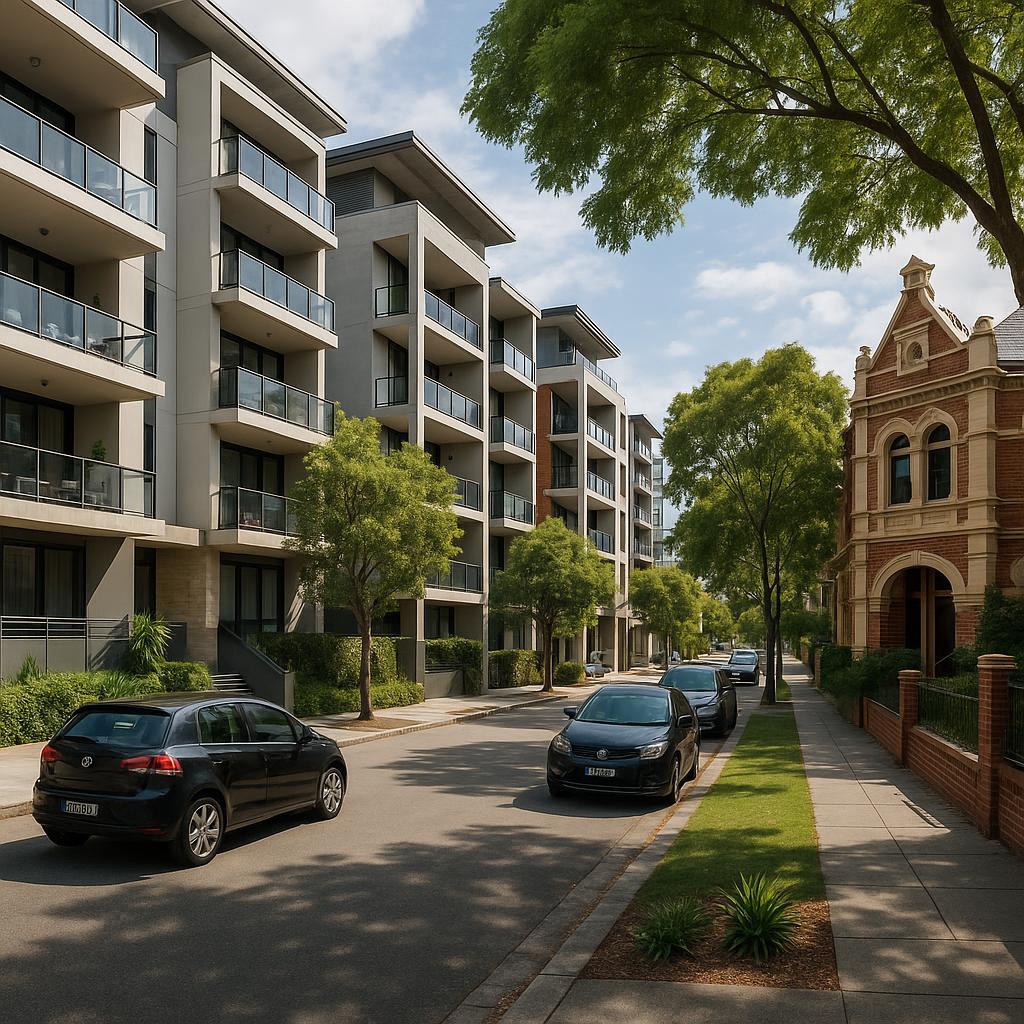
West Perth suits buyers who want inner-city convenience, strong access to the CBD, and a property mix that often favours low-maintenance living. It is generally better for apartments, townhouses, and compact homes than for buyers chasing large family blocks. Investors should focus on building quality, strata settings, parking, and street context, because those factors can matter more than the suburb name itself.
Key Takeaways
- West Perth is a location-led suburb where convenience, walkability, and CBD access drive much of the buying interest.
- The housing mix is typically apartment-heavy, with some townhouses and character homes adding variety in selected pockets.
- It tends to appeal to professionals, downsizers, and investors who value low-maintenance ownership over land size.
- Building quality, strata management, parking, and noise exposure can materially affect resale and tenant appeal.
- Compare West Perth carefully with nearby inner-city suburbs to make sure the lifestyle and property type truly suit your goal.
Pros & Cons
Pros
- Close to the Perth CBD and major employment areas.
- Strong convenience for transport, dining, and everyday services.
- Suitable for low-maintenance living and investor-friendly stock.
Cons
- Limited land and fewer traditional family-style homes.
- Denser streets and more urban noise in some pockets.
- Apartment quality and strata performance can vary sharply between buildings.
Market Overview
West Perth is an inner-city Perth suburb with a distinctly mixed character: residential pockets, offices, and lifestyle-oriented streets all sit close together. For buyers, that means the suburb is less about broad-acre family living and more about convenience, accessibility, and choosing the right property type.
Common stock includes apartments, townhouses, older character homes, and newer infill developments. The suburb tends to reward buyers who understand building-level differences, because two comparable-looking listings can have very different long-term outcomes depending on strata health, parking, noise exposure, and maintenance history.
For many people, West Perth is not a “one market” suburb. A renovated apartment near a quiet pocket can behave very differently from a unit closer to busier commercial activity. If you are comparing listings, focus on micro-location, building age, and the practical day-to-day livability of the property rather than relying on the suburb name alone.
Buyer Demand
Buyer demand in West Perth is typically driven by people who place a premium on time savings and central access. That usually includes professionals, owner-occupiers who commute regularly, downsizers wanting a simpler footprint, and investors who want a broad tenant pool rather than a large landholding.
What buyers often value most is secure parking, storage, functional floorplans, and easy access to transport and the city. A common mistake is assuming all apartments are interchangeable; in reality, differences in building quality, body corporate settings, and street noise can materially affect both resale and rental demand.
Rental Market
West Perth generally suits tenants who want a short commute and an urban lifestyle with minimal upkeep. That profile can include young professionals, CBD workers, corporate tenants, and some students or short-term city-linked renters, depending on the exact property and presentation.
For investors, the practical focus should be on tenant convenience features: secure entry, parking where possible, sensible layouts, and good building management. A well-kept apartment in a well-run building often performs more predictably than a cheaper unit in a building with maintenance issues, even if both share the same suburb address.
Lifestyle, Transport & Schools
Lifestyle in West Perth is inner-city and convenience-driven. Residents are generally close to cafes, parks, services, and city facilities, which makes the suburb attractive to people who want access rather than space. That lifestyle can be a major advantage for owner-occupiers who prefer a lower-friction daily routine.
Transport is one of the suburb’s key decision points. Buyers should assess walking access, public transport convenience, and parking before making an offer. Traffic flow, peak-hour movement, and street parking availability can change the feel of a property significantly, especially for buyers with regular commuting needs or multiple vehicles.
Schools and family suitability are more about access and practicality than a broad family-home profile. West Perth can work for some households, but buyers with school-age children should verify zoning, travel times, and drop-off logistics directly with current official sources. Do not assume inner-city convenience automatically translates to family convenience.
West Perth Suburb Profile
Official 2021 Census snapshot for the ABS Suburbs and Localities geography.
Age profile
Housing tenure
Occupied private dwellings by tenure type.
Salary & income profile
Median total income reported in the Census.
*Annual figures are weekly median × 52 estimates, not separate ABS annual medians.
Education & qualifications
Highest educational attainment, people aged 15+.
Employment status
People aged 15+ who reported being in the labour force.
Industry of employment
Top responses among employed people aged 15 years and over.
Occupation profile
Broad occupation groups among employed residents, including managers.
Property Type Guide
- Apartments: Often the main choice here. Best for buyers wanting convenience and lower maintenance. Check strata fees, lift access, parking, noise, and building quality.
- Townhouses: A middle ground for buyers wanting a little more space and privacy. Review shared walls, visitor parking, and ongoing maintenance obligations.
- Character homes: Offer charm and individuality in select pockets. Inspect for renovation constraints, energy efficiency, and whether the layout still suits modern living.
- Newer developments: Can suit buyers wanting modern finishes and easier upkeep. Check developer reputation, long-term durability, and strata governance before relying on fresh presentation.
Risks & Watch-Outs
- Strata fees, rules, special levies, and sinking-fund planning can materially affect cash flow and owner satisfaction.
- Noise and traffic exposure vary sharply by street, building position, and nearby commercial activity.
- Older apartments can differ widely in construction quality, waterproofing, and maintenance standards.
- Parking limitations can narrow both buyer demand and tenant demand, especially for households with two cars.
- Do not pay a location premium without checking the actual condition, outlook, and building performance of the property.
Nearby Suburbs to Compare
FAQ
Is West Perth a good suburb for investors?
Often yes, if you buy the right asset. West Perth can suit investors who want location-driven tenant demand, but the result depends heavily on building quality, strata health, parking, and how well the property competes with nearby inner-city options.
Is West Perth better for apartments or houses?
It is generally stronger for apartments and townhouses because the suburb has an urban, higher-density profile. Houses and character homes exist in select pockets, but buyers should expect fewer land-heavy options than in outer or more residential suburbs.
What kind of tenants live in West Perth?
Typically, the tenant pool is made up of professionals, CBD workers, corporate renters, and some downsizers or short-term city-based tenants. The common thread is convenience: they usually want a practical home with easy access to work and services.
Is West Perth good for first-home buyers?
It can be, if your priority is access and low-maintenance living rather than a big backyard. First-home buyers should be realistic about strata costs, storage, parking, and whether apartment living genuinely suits their lifestyle.
What should I check before buying an apartment here?
Review strata minutes, levies, maintenance history, parking allocation, noise exposure, and the building’s overall presentation. It is also worth comparing recent sales and rentals in the same building or street, not just the broader suburb.
Conclusion
West Perth is best understood as a convenience-led inner-city suburb rather than a traditional family home market. It suits buyers who value access, low-maintenance ownership, and strong city proximity. The smartest approach is to assess property type, building quality, and micro-location carefully, then compare the suburb with nearby alternatives before committing.
Sources & How to Verify
- Check current sold prices and active listings on Domain so you are not relying on outdated suburb commentary.
- Review comparable rental listings on realestate.com.au to gauge what tenants are being asked to pay today.
- Use ABS data to understand the broader demographic and dwelling-profile context without guessing at local figures.
- Check WA Government planning resources to confirm zoning, redevelopment context, and any nearby planning changes.
- Use City of Perth information to review local area planning, works, and precinct context that may affect livability.
- Verify school catchment and suitability through WA School Finder rather than assuming a nearby school is zoned.
- Inspect strata records, meeting minutes, and capital works documents before buying any apartment or townhouse in the suburb.
- Visit the street at different times of day to confirm noise, parking, pedestrian activity, and the real feel of the location.