Quick Answer
Perth can suit both buyers and investors, but only if you match the suburb and property type to your goal. Owner-occupiers usually benefit most from suburbs with strong lifestyle appeal, practical commuting, and family amenity, while investors often do better with low-maintenance homes that lease easily and hold tenant depth. The key is to compare transport, schools, housing stock, and nearby supply before you buy. In Perth, small suburb differences can create very different outcomes.
Key Takeaways
- Perth works best as a suburb-by-suburb market, not a citywide bet.
- Owner-occupiers should prioritise liveability, commute practicality, and resale confidence.
- Investors should focus on tenant demand, maintenance simplicity, and broad appeal.
- Older housing can offer land value and renovation upside, but usually needs more upkeep.
- Newer stock may be easier to manage, though supply and transport dependence must be checked.
Pros & Cons
Pros
- Wide choice across coastal, inner, family, and growth-area settings.
- Useful opportunities to balance land, convenience, and low-maintenance living.
- Good potential for buyers who research suburb fundamentals properly.
Cons
- Neighbouring suburbs can perform very differently for the same budget.
- Some newer pockets carry oversupply or competition risk.
- Older homes may hide repair, compliance, or maintenance costs.
Market Overview
for most buyers is simple: demand tends to concentrate around convenience, lifestyle, and housing type. If a suburb offers solid commute access, practical amenity, and broad liveability, it usually has a stronger base of owner-occupier and tenant interest than a suburb that relies on one narrow selling point.
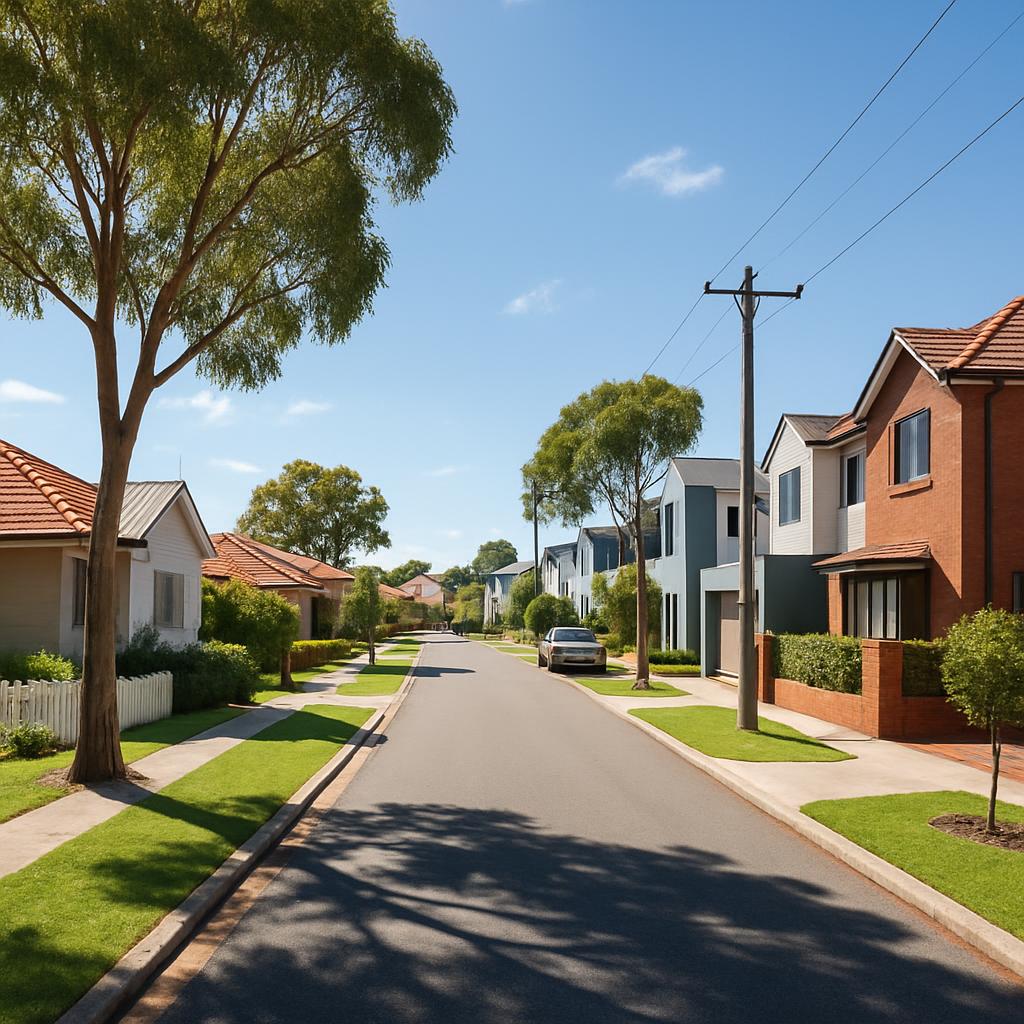
Perth’s property market is best understood as a collection of local markets, not one broad trend. A suburb with established houses, mature trees, and strong family appeal can behave very differently from a transit-oriented pocket with apartments, townhouses, or newer infill stock.
The
For investors and homeowners alike, the most important question is not “Is Perth hot?” but “What kind of buyer or tenant does this suburb attract?” That answer will shape pricing pressure, resale ease, and the type of property that holds up best over time.
Buyer Demand
Buyer demand in Perth usually comes from a few clear groups: first-home buyers looking for entry points, families wanting room and stability, downsizers prioritising convenience, and investors seeking practical stock with broad tenant appeal. Each group weighs location and dwelling type differently.
Suburbs that are easiest to sell tend to offer low-friction living: decent transport, functional layouts, reasonable parking, and access to daily essentials. A renovated character home may attract emotionally driven bidding, while a townhouse or neat villa often appeals to buyers using a more checklist-based approach.
Rental Market
Rental demand is generally strongest where tenants can live comfortably without needing to compromise on commute, amenity, or upkeep. Properties close to jobs, services, and transit tend to appeal to a wider tenant pool, especially if they are well presented and easy to maintain.
For investors, the rental question is less about glamour and more about turnover risk, maintenance burden, and the depth of demand for that property type. A modest home in a convenient location can outperform a flashier property if it is easier to lease, easier to keep in good condition, and better suited to local tenant preferences.
Lifestyle, Transport & Schools
Lifestyle fundamentals matter because they influence how long people stay in a suburb and how strongly they recommend it to others. Parks, cafes, beach access, community feel, and simple day-to-day convenience can all support resale resilience, even when market conditions soften.
Transport is especially important in Perth because commute practicality can materially change buyer interest. Suburbs with straightforward road access or reliable public transport options generally appeal more to workers, students, and hybrid commuters than suburbs that require constant car dependence.
Schools and family amenity also shape demand, even for buyers who do not have children. Proximity to preferred school options, playgrounds, and family-friendly infrastructure can lift confidence for owner-occupiers and make a suburb feel “finished” rather than speculative.
Perth (WA) Suburb Profile
Official 2021 Census snapshot for the ABS Suburbs and Localities geography.
Age profile
Housing tenure
Occupied private dwellings by tenure type.
Salary & income profile
Median total income reported in the Census.
*Annual figures are weekly median × 52 estimates, not separate ABS annual medians.
Education & qualifications
Highest educational attainment, people aged 15+.
Employment status
People aged 15+ who reported being in the labour force.
Industry of employment
Top responses among employed people aged 15 years and over.
Occupation profile
Broad occupation groups among employed residents, including managers.
Property Type Guide
- Detached houses: Better for land value, privacy, renovation potential, and long-term family use; check upkeep and older services.
- Villas and duplexes: Often suit buyers seeking lower-maintenance living with some separation; assess boundaries, privacy, and practical layout.
- Townhouses: Good for convenience-focused buyers and investors; review strata rules, parking, and liveability carefully.
- Apartments: Best in specific locations where low-maintenance living is valued; check building quality and ongoing levies.
- New-build homes: May suit buyers wanting turn-key convenience; weigh land size, surrounding supply, and future growth profile.
Risks & Watch-Outs
- Noise, flight paths, industrial edges, or awkward access can reduce daily appeal more than a polished listing suggests.
- Nearby new developments may add supply and weaken leasing or resale competition in certain pockets.
- Older homes can carry hidden costs, including repairs, ageing services, moisture issues, or renovation surprises.
- Strata, common-area obligations, and body corporate rules can change the real cost of owning a seemingly simple property.
- Buying for emotion instead of resale logic is a common mistake, especially in character-heavy or tightly marketed suburbs.
Nearby Suburbs to Compare
- Suburb A: Similar lifestyle appeal, but compare access, housing age, and block size carefully.
- Suburb B: Often more affordable, though it may trade off established amenity or transport convenience.
- Suburb C: Stronger commute access, but smaller homes or less land are common trade-offs.
- Suburb D: May suit investors better if tenant demand is broader and upkeep is simpler.
- Suburb E: Useful if you want to compare character homes with more modern low-maintenance stock.
FAQ
Is Perth better for buyers or investors?
It can work for both, but the right suburb and dwelling type matter more than the city label. Buyers should focus on liveability and resale logic, while investors should prioritise tenant depth, maintenance simplicity, and vacancy resilience.
What matters most when choosing a Perth suburb?
Transport, schools, local amenity, housing mix, and the kind of buyer or tenant the suburb naturally attracts. A suburb with strong fundamentals often performs more consistently than one with a temporary marketing story.
Should I buy a house, townhouse, or apartment?
Choose the dwelling type that matches your holding comfort and the suburb’s demand profile. Houses usually suit land-led, long-term buyers; townhouses and apartments may suit convenience-focused buyers or investors seeking lower-maintenance ownership.
How do I judge rental appeal without relying on a headline yield?
Look at practicality: commute access, presentation, parking, storage, and ease of maintenance. A property that is simple to occupy and simple to keep in good condition often leases more reliably than one that looks impressive but is awkward to use.
What is the safest way to compare nearby suburbs?
Compare the actual trade-offs: commute, school access, housing age, land size, and supply risk. Then inspect recent listings and sold examples so you understand what buyers are paying for in each suburb.
Conclusion
Perth rewards buyers who think suburb-first and property-type-first, not headline-first. If you want a home, prioritise lifestyle, commute, and long-term comfort. If you want an investment, prioritise tenant demand, maintenance efficiency, and broad resale appeal. The best decision is usually the one that fits your strategy and the suburb’s real demand profile.
Sources & How to Verify
- Check current sold results and active listings on Domain to see what similar properties are actually transacting for now.
- Use realestate.com.au to compare stock quality, property type mix, and how long comparable homes stay advertised.
- Review suburb boundaries, zoning context, and planning information on WA Planning before assuming a pocket has stable future conditions.
- Confirm transport access and service changes via Transperth so you are not relying on outdated commute assumptions.
- Check demographics and household patterns on ABS to understand the broader resident profile behind local demand.
- Verify school catchments and enrolment details using School Finder rather than informal maps or agent claims.
- Speak with a local property manager and compare current vacancy and leasing feedback with the live listing pool, because rental demand can change quickly by property type.
- Inspect the street in person at different times of day so you can test noise, parking, amenity access, and general livability beyond the online photos.