Quick Answer
Geebung is a practical Brisbane northside suburb for buyers and investors who want access, established housing, and broad day-to-day convenience rather than lifestyle prestige. It can suit first-home buyers, families, downsizers, and investors, but the best results usually come from choosing the right pocket and property type. Focus on block usability, renovation quality, transport proximity, and site-specific risks such as noise, drainage, and older-home maintenance.
Key Takeaways
- Geebung tends to appeal to value-focused buyers who prioritise convenience, not premium postcode status.
- Transport access and practical housing stock are central to the suburb’s ongoing appeal.
- Well-kept houses and low-maintenance dwellings usually stand out more than cosmetic listings.
- Investors should match the property type to likely tenant demand and maintenance tolerance.
- Street-level due diligence matters because block quality, noise, and drainage can vary sharply.
Pros & Cons
Pros
- Good commuter practicality for Brisbane northside workers and renters
- Broad appeal across owner-occupiers, families, and investors
- Mixed housing stock creates more entry points than tightly held premium suburbs
Cons
- Not a premium lifestyle suburb, so emotional appeal is more functional than aspirational
- Older dwellings may need ongoing maintenance or renovation budgeting
- Some pockets can face traffic, rail, or edge-of-industrial amenity trade-offs
Market Overview
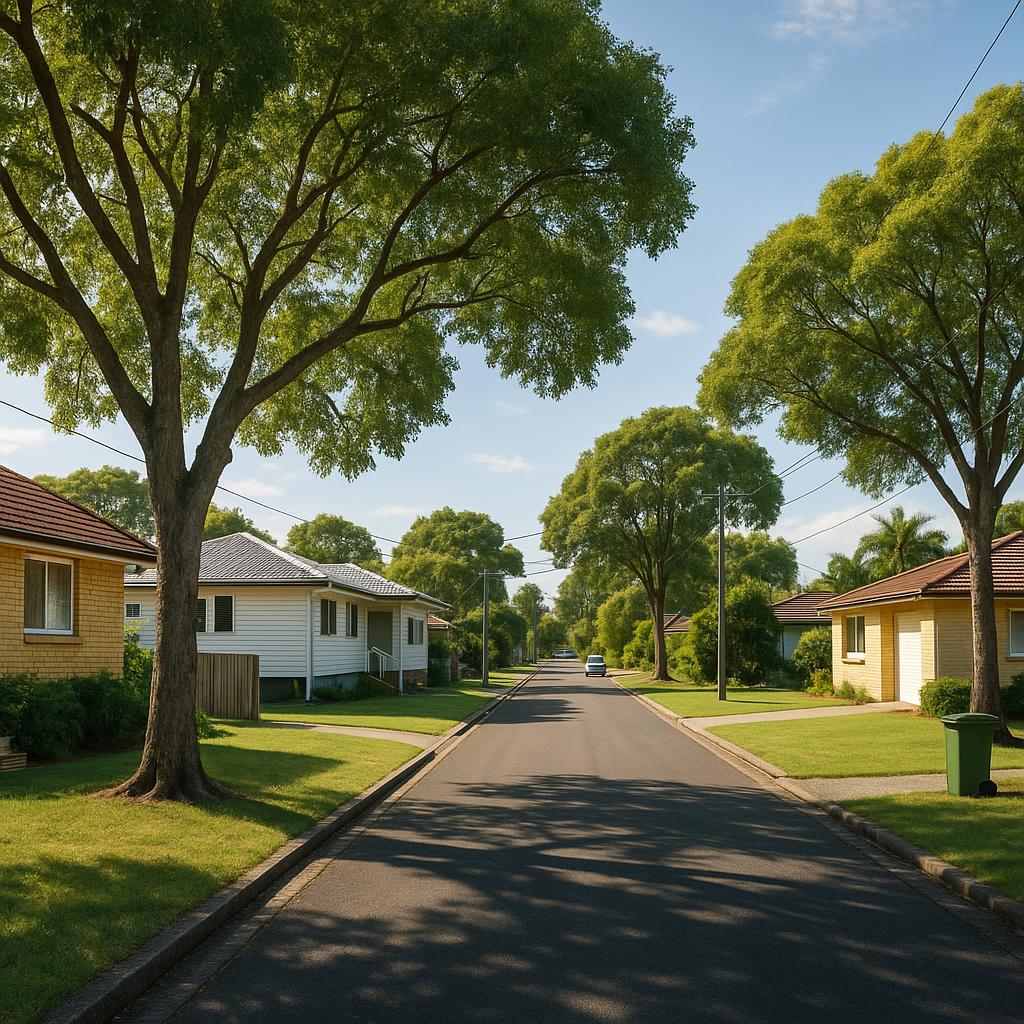
Geebung sits in Brisbane’s northside corridor and is best understood as an established, practical suburb with access value. Buyers are often drawn here because they can secure a house, townhouse, or unit in a location that supports commuting and everyday living without chasing inner-city pricing. That makes the suburb relevant to both owner-occupiers and investors.
The market is typically shaped by usability rather than prestige. In plain English: a neat, functional home on a sensible block is usually more compelling than a property that looks good online but has awkward access, poor layout, or weak outdoor space. Renovated stock and homes with genuine move-in appeal often attract more attention than dated listings with limited upside.
Geebung also rewards pocket-by-pocket research. Two properties with similar bedroom counts may perform very differently if one sits near rail, one backs onto busier roads, or one has stronger yard usability and parking. That is why suburb averages alone are not enough for confident buying decisions.
Buyer Demand
Buyer demand in Geebung tends to come from practical households: first-home buyers trying to get a foothold on the northside, families seeking usable homes, and downsizers wanting manageable living without leaving an established area. Investors also look here because the suburb is easy to explain to tenants and easier to understand than fringe growth corridors.
The strongest demand usually flows to properties that reduce friction: good access, sensible layout, liveable presentation, and enough outdoor or parking utility to match the price. If a property requires significant work, buyers will want a clear discount or a compelling renovation path. In this suburb, “convenient and functional” often beats “cheap but compromised.”
Rental Market
Geebung can suit tenants who value commuting practicality, straightforward access to surrounding job centres, and everyday services. That often includes professionals, local workers, couples, and small families. For investors, the key is to choose a property that is easy to maintain and broadly acceptable to a wide tenant pool.
Low-maintenance dwellings, good parking, and tidy presentation matter because renters respond strongly to convenience and condition. A well-kept townhouse or unit may lease more smoothly than an older house that needs attention, especially if the house has awkward access, higher upkeep, or presentation issues. Investors should assess holding costs honestly rather than assuming every property in the suburb will perform the same way.
Lifestyle, Transport & Schools
Geebung offers everyday livability more than destination-style lifestyle. That suits buyers who want a calm residential base, practical shopping access, and an easy routine. The suburb’s value proposition is less about nightlife and more about living efficiently: getting to work, running errands, and managing family life without long detours.
Transport is a key strength because it widens both buyer and tenant demand. Rail convenience, road access, and the ability to commute without relying entirely on a car all improve the suburb’s utility. For many buyers, this is the difference between a property that feels manageable and one that becomes annoying during peak-hour routines.
School considerations matter for family buyers, but the right approach is to check current catchments and enrolment rules directly rather than relying on word-of-mouth. Families may place a premium on streets that feel easier for school runs, even when the broader suburb looks similar on paper. Nearby parks, open space, and access to larger retail or service hubs also add day-to-day convenience.
Geebung Suburb Profile
Official 2021 Census snapshot for the ABS Suburbs and Localities geography.
Age profile
Housing tenure
Occupied private dwellings by tenure type.
Salary & income profile
Median total income reported in the Census.
*Annual figures are weekly median × 52 estimates, not separate ABS annual medians.
Education & qualifications
Highest educational attainment, people aged 15+.
Employment status
People aged 15+ who reported being in the labour force.
Industry of employment
Top responses among employed people aged 15 years and over.
Occupation profile
Broad occupation groups among employed residents, including managers.
Property Type Guide
- Detached houses: best for buyers wanting land, flexibility, and future renovation options. Watch for maintenance, layout inefficiency, and prior work quality.
- Townhouses: often suit investors, downsizers, and time-poor buyers who want lower upkeep. Check body corporate settings, privacy, and build quality.
- Units/apartments: can offer a lower entry point and easier management. Focus on strata costs, building condition, and resale strength.
- Renovated homes: can outperform dated stock if the work is practical and well executed. Prioritise kitchens, bathrooms, flooring, and outdoor usability.
- Older homes on usable blocks: may appeal to families and long-term holders. Confirm flood, drainage, and structural considerations before assuming upside.
Risks & Watch-Outs
- Older housing stock can hide deferred maintenance, so building and pest diligence is essential.
- Flood or drainage exposure can vary by pocket, so verify address-level mapping rather than assuming broad suburb safety.
- Rail, road, or nearby commercial noise may affect some streets more than others.
- Industrial adjacency or visual amenity issues can reduce buyer and tenant enthusiasm in certain edge locations.
- Overcapitalising on cosmetic upgrades is a common mistake if the underlying site or layout is weak.
Nearby Suburbs to Compare
FAQ
Is Geebung a good suburb for first-home buyers?
Yes, if your priority is a practical northside location rather than prestige. First-home buyers can often find a mix of houses, townhouses, and units that offer workable access and livability. The key is to compare exact streets, block quality, and maintenance requirements carefully.
Is Geebung good for investors?
It can be, especially for investors who want a broad tenant pool and straightforward suburb logic. Demand tends to favour low-maintenance, well-presented dwellings with good transport access. The main decision is not whether Geebung works in general, but which property type works best for your holding strategy.
What property type is usually strongest in Geebung?
Detached houses often offer the most flexibility because land and outdoor utility matter to many buyers. That said, townhouses and units can be attractive if you want simpler maintenance or a lower entry point. The right choice depends on whether you are buying for family use, resale, or leasing.
What should I check before buying in Geebung?
Check flood and drainage exposure, transport or traffic noise, block usability, renovation quality, and access to the surrounding streets. It is also wise to review recent comparable sales and current listings so you understand whether the asking price reflects the property’s real condition and location.
Is Geebung more owner-occupier or investor friendly?
It can appeal to both, but for different reasons. Owner-occupiers often like the practicality, transport access, and usable housing stock. Investors usually focus on tenant demand, lower maintenance, and ease of leasing. The best properties in the suburb tend to overlap those priorities.
Conclusion
Geebung is a sensible, utility-driven Brisbane northside suburb that can work well for buyers who value access, established housing, and realistic entry options. It is strongest when you buy the right property in the right pocket. If you inspect carefully and match the asset to your strategy, it can be a solid, practical choice.
Sources & how to verify
- Check current sold prices and active listings on Domain so you are comparing real market evidence rather than outdated estimates.
- Review current rentals on realestate.com.au to understand what property types and presentation standards are leasing in the suburb.
- Use ABS data to understand broad household and dwelling trends, but avoid treating older census figures as current market proof.
- Check planning, zoning, and local area context through Brisbane City Council before relying on assumptions about what can be built or changed.
- Verify flood and drainage considerations with Queensland Government mapping and address-level resources, because risk can change street by street.
- Confirm school catchments and enrolment boundaries through the Queensland Government school information pages rather than relying on informal listings.
- Use a licensed building and pest inspector for any older Geebung home, because condition issues can materially affect value and holding costs.
- Speak with local agents about recent buyer behaviour, days on market, and renovation premiums so you can test whether the property’s asking price is realistic.