Quick Answer
Taringa is a well-located inner-west Brisbane suburb that generally suits owner-occupiers, professionals, families, and investors who value convenience, established streets, and broad tenant appeal. It is typically a location-led market rather than a pure land-size play, so the right dwelling type and micro-location matter more than the suburb name alone. Buyers should focus on access, building quality, parking, and noise exposure, while investors should prioritise tenant fit and ongoing maintenance risk.
Key Takeaways
- Taringa rewards buyers who value time savings, transport access, and an established inner-west lifestyle.
- Property type matters here: apartments, townhouses, and houses each serve different budgets, risks, and exit audiences.
- Demand is supported by nearby employment, education, and health precincts, which broadens the buyer and tenant pool.
- Street-by-street research is essential because slope, traffic, parking, and building quality can change livability quickly.
- The best comparison set is nearby inner-west suburbs, so you can judge whether Taringa offers the right trade-off.
Pros & Cons
Pros
- Inner-west convenience with strong access to major Brisbane destinations.
- Established suburb character with a mature amenity base and leafy pockets.
- Good range of dwelling types for different strategies and budgets.
Cons
- Older stock can mean higher maintenance and uneven building quality.
- Some streets and sites are affected by traffic, slope, or limited parking.
- Premium pockets can be tightly held, reducing choice and increasing competition.
Market Overview
Taringa sits in Brisbane’s inner-west and is widely viewed as a convenience-first suburb with an established residential feel. Its appeal comes from access rather than novelty: buyers are typically weighing commute efficiency, amenity, and liveability against the cost and upkeep of the specific property.
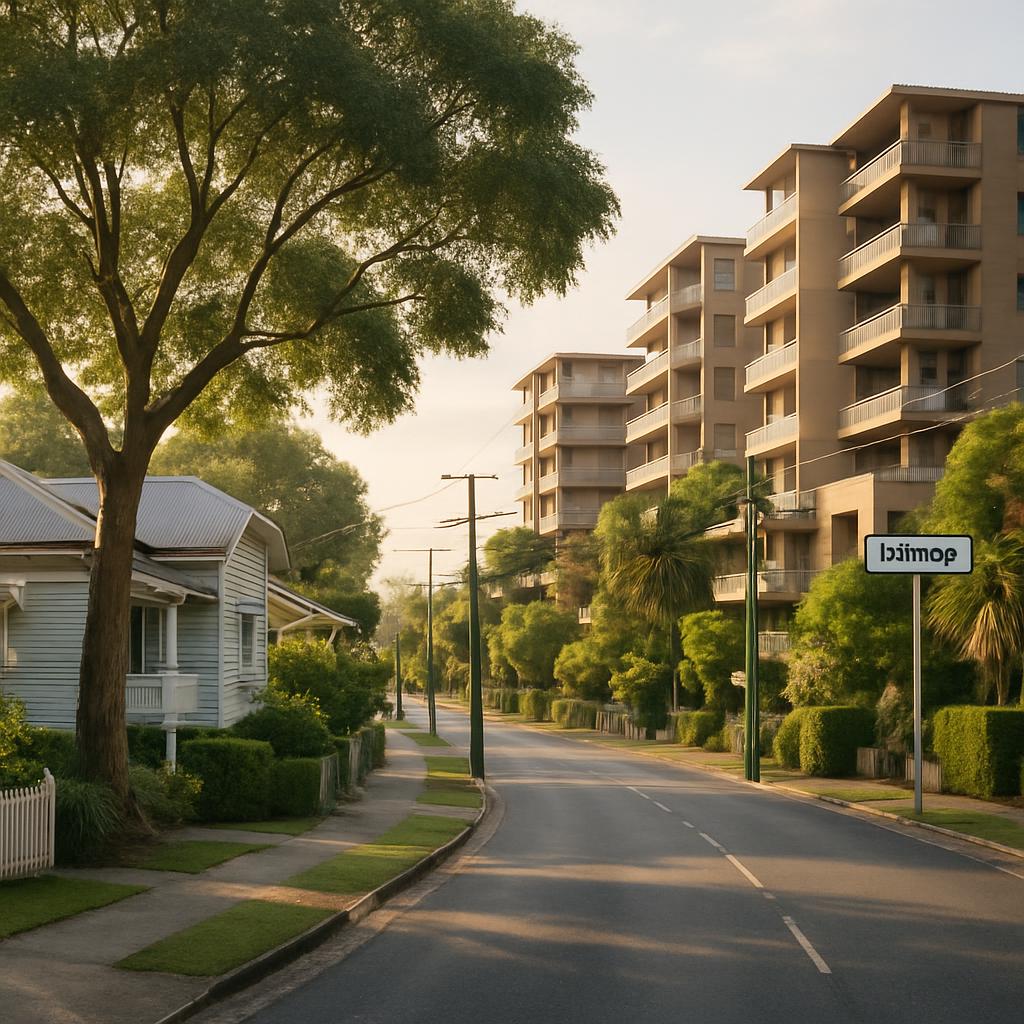
The suburb offers a mixed housing profile, with apartments, townhouses, and detached homes spread across different streets and elevations. That diversity creates opportunity, but it also means there is no single “Taringa market” — a renovated apartment near transport, for example, will behave very differently from an older house on a busier or steeper street.
For buyers, the market tends to reward practical features: sensible layouts, off-street parking, good light, and manageable maintenance. For homeowners, that usually means paying close attention to the everyday experience of the property, not just the postcode.
Buyer Demand
Buyer demand in Taringa is usually driven by people who want inner-west convenience without moving into the most expensive prestige pockets nearby. That includes owner-occupiers, professionals, and families who value access to the CBD, education, and everyday services.
Investors also look here because the suburb can attract a broad tenant base. Properties with easy transport access, practical floor plans, and lower-friction maintenance tend to be the most competitive, while homes with awkward layouts or poor parking usually need a discount to stand out.
Rental Market
Taringa’s rental appeal is linked to location and tenant diversity. Nearby employment, university, and health precincts help support demand from professionals, students, and smaller households seeking an established suburb rather than a purely transient rental market.
From an investment perspective, the best-performing rental properties are usually the ones that are easy to live in and easy to maintain. Apartments often suit singles and couples; townhouses can attract longer-tenure tenants; houses may appeal to families or executive renters, but often require more capital and upkeep.
Lifestyle, Transport & Schools
Taringa offers a practical, low-drama lifestyle rather than a high-entertainment one. Residents generally value local retail, cafés, parks, and the ability to move quickly between inner-west hubs without relying heavily on a car.
Transport is a major part of the suburb’s appeal. Rail and bus access, plus road links into surrounding inner-west areas and the city, can widen both the buyer and tenant pool. Buyers should still test actual commute routes at peak times, because convenience can vary by exact address.
School access can matter for family buyers, but catchments and enrolment rules should always be verified directly before purchase. In inner suburbs, being “close to good schools” is not the same as being in-catchment, so confirm details before assuming a property suits your family plan.
Taringa Suburb Profile
Official 2021 Census snapshot for the ABS Suburbs and Localities geography.
Age profile
Housing tenure
Occupied private dwellings by tenure type.
Salary & income profile
Median total income reported in the Census.
*Annual figures are weekly median × 52 estimates, not separate ABS annual medians.
Education & qualifications
Highest educational attainment, people aged 15+.
Employment status
People aged 15+ who reported being in the labour force.
Industry of employment
Top responses among employed people aged 15 years and over.
Occupation profile
Broad occupation groups among employed residents, including managers.
Property Type Guide
- Apartments: Best for first-home buyers, downsizers, and investors wanting a lower-maintenance foothold in an inner-west location. Check strata fees, building management, noise transfer, and natural light.
- Townhouses: A useful middle ground for buyers who want more space than an apartment without the full burden of a detached house. Review privacy, shared walls, outdoor usability, and body corporate obligations.
- Detached houses: Often most attractive to long-term owner-occupiers and buyers seeking land, renovation upside, or scarcity value. Inspect structure, drainage, slope, parking access, and renovation realism.
- Best fit by goal: Choose apartments for simplicity, townhouses for balance, and houses for land and long-hold flexibility.
Risks & Watch-Outs
- Busy-road exposure can reduce liveability, resale appeal, and rental comfort.
- Slope and access issues may affect parking, drainage, and day-to-day practicality.
- Older buildings can hide repair costs, poor maintenance, or weak strata governance.
- Cosmetic renovations may look impressive but not solve layout, noise, or functional problems.
- Buyers can overpay if they focus on suburb reputation and ignore the exact street or building.
Nearby Suburbs to Compare
- Auchenflower
- Toowong
- Indooroopilly
- St Lucia
FAQ
Is Taringa a good suburb for first-home buyers?
Taringa can work well for first-home buyers who want an inner-west address and are comfortable with apartments or townhouses rather than a detached house. The key is to prioritise layout, strata quality, parking, and access to transport over simply chasing a Brisbane postcode.
Is Taringa good for investors?
Yes, it can be a solid investor suburb because tenant demand is supported by convenience, education access, and nearby employment nodes. The better strategy is to buy for tenant usability and low maintenance, then verify building quality and running costs carefully.
What type of property is best in Taringa?
There is no universal best option. Apartments suit low-maintenance and entry-level strategies, townhouses offer a practical middle ground, and houses suit buyers seeking scarcity and long-term ownership. Your choice should depend on budget, risk tolerance, and holding period.
What should buyers inspect before purchasing?
Inspect the immediate street, parking access, noise levels, drainage, slope, and the real condition of the dwelling. For apartments and townhouses, review strata records, sinking fund position, and maintenance history, because those factors can materially affect cost and resale performance.
How does Taringa compare with nearby suburbs?
Taringa is often compared with Auchenflower, Toowong, Indooroopilly, and St Lucia. The decision usually comes down to the balance you want between convenience, housing type, school access, and the amount of upkeep you are willing to take on.
Conclusion
Taringa is best understood as a convenience-led inner-west suburb with broad appeal and meaningful differences from street to street. It can suit both buyers and investors, but success depends on choosing the right property type, checking micro-location carefully, and comparing it against nearby inner-west alternatives before you commit.
Sources & How to Verify
- Check current listings and recent sold evidence on realestate.com.au to see how property type, condition, and street position affect price behaviour.
- Review live listings and comparable sales on Domain before relying on any agent opinion or estimate.
- Use Brisbane City Council to check local planning, suburb context, and council-controlled infrastructure or service information.
- Confirm school catchments and enrolment details with the Queensland Government school finder, because catchments can change and proximity alone is not enough.
- Verify transport access and service patterns through Translink, especially if commute convenience is part of your buying case.
- Use ABS data for broad suburb and regional context, but treat it as background rather than a substitute for current property research.
- If buying an apartment or townhouse, request strata records and review levies, sinking fund position, and any special resolutions before making an offer.
- Walk the street at different times of day to verify noise, parking pressure, slope, and practical livability in the exact pocket you plan to buy.