Quick Answer
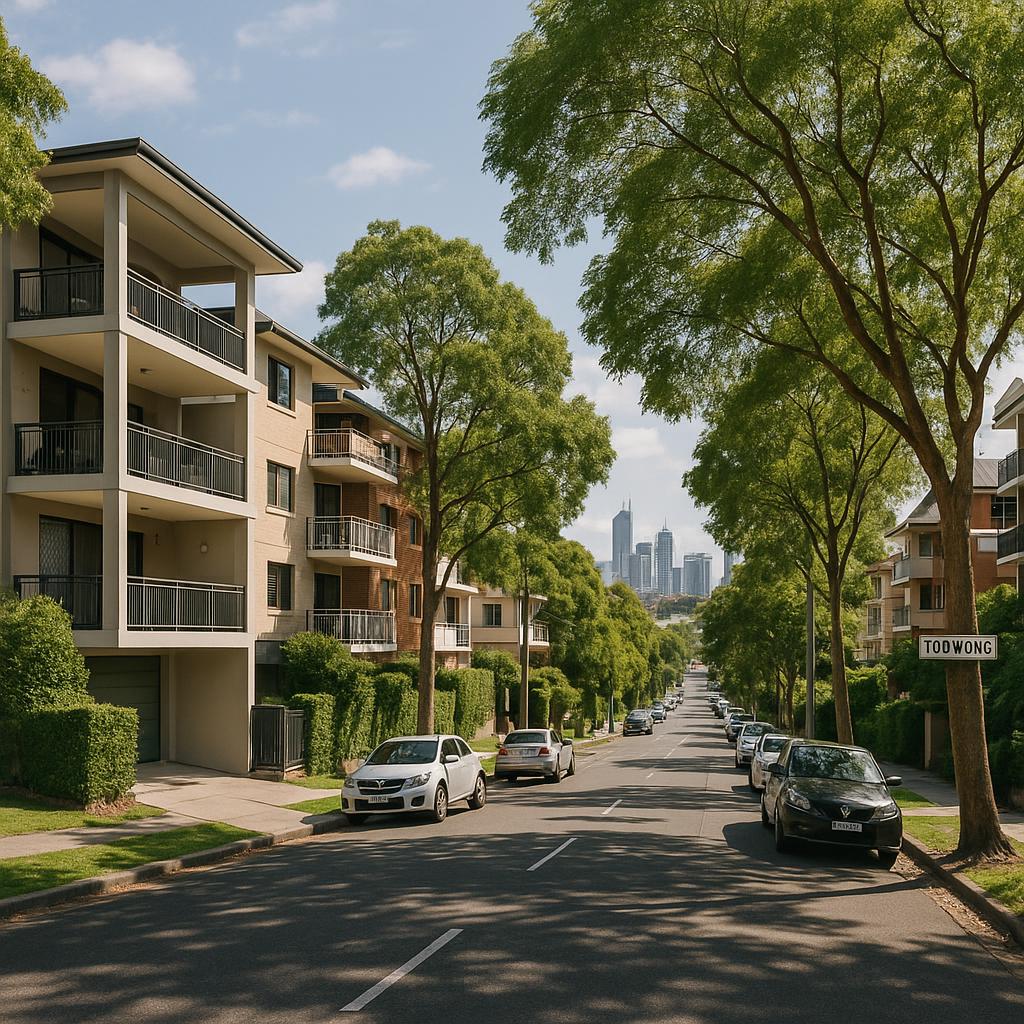
Toowong is a well-located inner-west Brisbane suburb that typically suits buyers and investors who value convenience, transport access, and a broad tenant pool. It is usually a better fit for people prioritising long-term liveability and resale confidence than for those chasing large land parcels or bargain entry prices. The suburb’s appeal comes from its mix of apartments, townhouses, and established homes, plus its proximity to major education, employment, and retail destinations.
Key Takeaways
- Toowong is a location-led suburb where access and everyday convenience often matter more than sheer land size.
- Its buyer pool is diverse, which can support liquidity across apartments, townhouses, and selected houses.
- Investors should assess exact street position, building quality, and tenant appeal rather than relying on suburb reputation alone.
- Families and downsizers often compare liveability, parking, and access to services before deciding on property type.
- For current market confirmation, verify sold results, rental listings, and school catchments with live official and portal sources.
Pros & Cons
Pros
- Strong inner-west location with excellent day-to-day convenience.
- Broad appeal to professionals, students, downsizers, and long-stay renters.
- Multiple property types allow different entry points and strategies.
Cons
- Some dwellings trade off size and land for location and accessibility.
- Busy pockets can bring noise, parking pressure, or reduced privacy.
- Apartments and older buildings need careful strata and maintenance checks.
Market Overview
Toowong sits in Brisbane’s established inner-west, where the market is shaped by convenience, proximity, and a mix of owner-occupiers and investors. It tends to attract buyers who want an efficient base rather than a purely lifestyle-or space-driven purchase. That often means smaller footprints, better access, and stronger attention to the exact street or building.
The suburb’s housing mix is important. Apartments and townhouses usually compete on convenience and low-maintenance living, while detached homes appeal to buyers wanting more privacy or future renovation upside. In practice, Toowong is not a one-size-fits-all suburb; the right choice depends on whether the buyer values commute efficiency, land, or holding costs.
Because the suburb serves several demand channels at once, it can remain relevant through different market conditions. Buyers should still verify current sold prices, listing depth, and property-type trends before making assumptions, especially where older stock, strata issues, or location-specific trade-offs affect value.
Buyer Demand
Demand in Toowong is usually driven by convenience-led buyers: professionals, university-linked households, downsizers, and investors seeking a liquid rental audience. That breadth is useful because it reduces dependence on any single buyer type.
Competition often comes down to property quality and position. A neat apartment in a walkable pocket may attract more interest than a larger dwelling with poorer access, limited parking, or a busier setting. For buyers, that means the best asset is often the one that matches a clearly defined use case.
Rental Market
Toowong’s rental appeal is typically supported by access to major employment, education, and transport links. That creates demand from tenants who want shorter commutes, lower car dependence, and a practical inner-Brisbane lifestyle.
For investors, the key question is not just “Will it rent?” but “Who will rent it, and why?” Apartments can work well for convenience-focused tenants, while townhouses and houses may suit renters wanting more space or shared living flexibility. Check live listings, building presentation, and vacancy signals to confirm current tenant demand.
Lifestyle, Transport & Schools
Toowong offers an established, highly practical lifestyle. It suits residents who want shopping, dining, commuting, and everyday services close at hand. That convenience is a major reason the suburb remains popular with time-poor professionals and downsizers.
Transport access is a core part of the suburb’s value proposition. Buyers and tenants who rely on public transport or want easier CBD access often place a premium on walkability to transit and sensible road connections. For investors, that can widen the tenant pool; for owner-occupiers, it can reduce daily friction.
Schools and education access should be checked as a planning factor, not guessed. Families should confirm official catchments and travel routes before buying, because a good location on paper may still be less practical if the exact pocket is noisy, busy, or awkward for school routines. Nearby tertiary access can also support rental demand and make the suburb more attractive to certain buyers.
Toowong Suburb Profile
Official 2021 Census snapshot for the ABS Suburbs and Localities geography.
Age profile
Housing tenure
Occupied private dwellings by tenure type.
Salary & income profile
Median total income reported in the Census.
*Annual figures are weekly median × 52 estimates, not separate ABS annual medians.
Education & qualifications
Highest educational attainment, people aged 15+.
Employment status
People aged 15+ who reported being in the labour force.
Industry of employment
Top responses among employed people aged 15 years and over.
Occupation profile
Broad occupation groups among employed residents, including managers.
Property Type Guide
- Houses: Best for buyers wanting land, renovation scope, and longer-term family flexibility. Watch condition, site constraints, and holding costs closely.
- Townhouses: A middle ground for buyers who want more space than an apartment without full detached-house maintenance. Review body corporate rules and parking.
- Apartments: Often suit investors, first-home buyers, and downsizers. Focus on strata health, noise, ventilation, storage, and resale liquidity.
- Best by goal: Owner-occupiers should prioritise comfort and commute; investors should prioritise rentability and maintenance simplicity; families should prioritise privacy and practical access.
Risks & Watch-Outs
- Do not assume every part of the suburb offers the same livability; street position can change the experience materially.
- Busy roads, traffic corridors, and commercial edges may reduce privacy, parking ease, or day-to-day comfort.
- Older apartment buildings can hide future costs, so strata records and maintenance history need proper review.
- Buying for the suburb name alone can lead to paying too much for a poor layout, weak aspect, or awkward access.
- Investors should test actual rentability, not just suburb prestige, because tenant demand still varies by building and pocket.
Nearby Suburbs to Compare
- Indooroopilly QLD Property Market Guide: Buyers & Investors
- Auchenflower QLD Property Market Guide: Buyers & Investors
- Taringa QLD Property Market Guide: Buyers & Investors
- Brisbane City QLD Property Market Guide: Buyers & Investors
- Highgate Hill
- West End QLD Property Market Guide: Buyers & Investors
FAQ
Is Toowong a good suburb for property investors?
It can be, because the suburb attracts a broad tenant pool and has strong convenience-based demand drivers. Investors should still focus on building quality, street position, strata, and rentability rather than assuming every property will perform equally.
Is Toowong suitable for first-home buyers?
Yes, especially for buyers who value location and lower-maintenance living more than a big yard. Apartments and smaller dwellings may offer a more realistic entry point, but buyers should compare ongoing costs and resale prospects carefully.
What type of property is usually best in Toowong?
There is no single best option. Apartments often suit investors and downsizers, townhouses can offer a middle-ground solution, and houses suit buyers wanting land and flexibility. The best choice depends on budget, lifestyle, and long-term plans.
Is Toowong family-friendly?
It can be, particularly in quieter pockets and in homes or townhouses that suit family routines. Families should check traffic exposure, parking, school access, and nearby open space because those factors affect everyday practicality more than suburb reputation.
What should buyers inspect most carefully in Toowong?
Inspect the exact street, noise exposure, parking access, natural light, ventilation, and layout efficiency. If buying an apartment or townhouse, review strata records and building condition to understand future costs and avoid surprises after settlement.
Conclusion
Toowong is best viewed as a high-convenience inner-west Brisbane suburb with enduring appeal for buyers who value access, flexibility, and broad demand. It suits investors and homeowners who are willing to trade some space for a more efficient daily life. The smartest purchase is the one that matches your goal, property type, and exact street position.
Sources & How to Verify
- Check current sold results and active listings on Domain to confirm real market depth, price positioning, and property-type trends.
- Use realestate.com.au to compare current rental listings, dwelling mix, and how quickly similar properties are being advertised.
- Review official suburb and dwelling data on the Australian Bureau of Statistics to understand the broader demographic context without relying on estimates.
- Confirm school catchments and nearby education options through Queensland Government education resources before treating any school access claim as settled.
- Check local planning, development, and infrastructure references on Brisbane City Council to see whether nearby works, zoning, or overlays may affect a property.
- Verify public transport routes and service changes with TransLink, especially if commute convenience is a major part of your buying decision.
- If you are considering a unit, request body corporate records and inspect meeting minutes so you can identify levies, disputes, and maintenance issues early.