Quick Answer
Longreach suits buyers and investors who value regional practicality, community identity, and a housing market driven by local employment and everyday liveability rather than metro-style speculation. It can make sense for long-term owners who are comfortable with lower liquidity and a narrower buyer pool. The strongest opportunities are usually in well-located, low-maintenance homes that fit local needs. The main risk is overestimating demand for premium upgrades or assuming a small market behaves like a capital city.
Key Takeaways
- Longreach rewards practical property choices more than flashy renovations or speculative timing.
- Buyer demand is shaped by local work patterns, services, and the needs of long-term residents.
- Rental performance is usually strongest where maintenance is simple and everyday convenience is clear.
- Liquidity can be lower than metro markets, so exit strategy matters from day one.
- Due diligence on condition, climate exposure, and local comparables is essential before you commit.
Pros & Cons
Pros
- Strong regional identity and a practical, community-led lifestyle.
- Potential for value-conscious entry compared with larger city markets.
- Broad appeal for buyers and tenants who want space and functionality.
Cons
- Smaller buyer pool can mean slower resale if the property is niche.
- Some homes may carry higher maintenance demands in an outback climate.
- Demand can be uneven if the property is poorly located or over-improved.
Market Overview
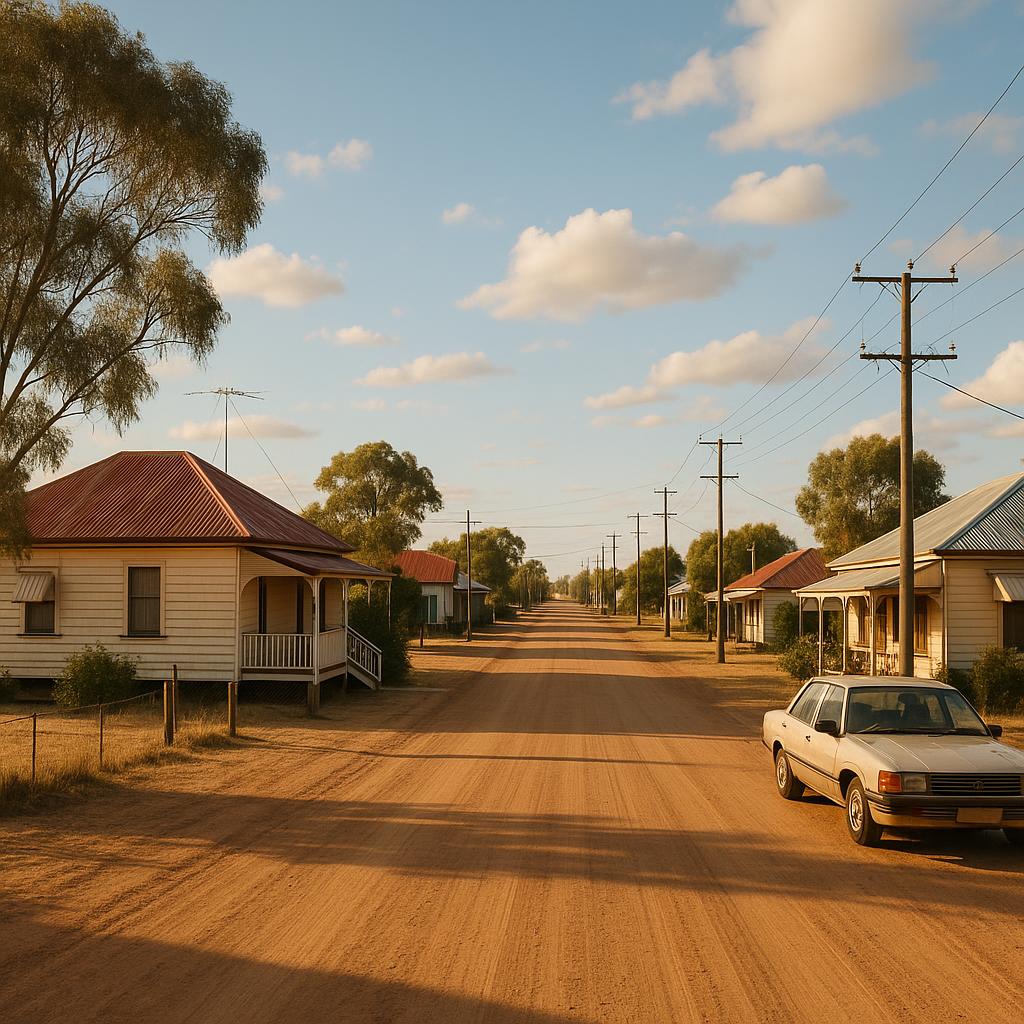
Longreach is a Queensland regional centre with an outback identity and a market shaped by local services, employment, and the realities of living beyond the capitals. For buyers, that means the right property is usually the one that fits local routines, not the one that looks most impressive online.
In markets like this, micro-location and property presentation matter more than broad suburb stories. A tidy, functional home close to everyday amenities is often easier to live in, rent, and resell than a larger property that needs ongoing upkeep or doesn’t suit local demand.
For investors, Longreach is best approached as a fundamentals-first market. Think about who would rent the home, how much maintenance it may need, and whether your exit buyer is likely to be an owner-occupier, a local upgrader, or another investor.
Buyer Demand
Demand in Longreach typically comes from locals, workers, families relocating for employment, and buyers wanting a more grounded regional lifestyle. That makes practical homes with sensible layouts, parking, and manageable upkeep more attractive than properties with design features that add cost but not usefulness.
For investors, the key question is whether the property matches the town’s actual buyer and tenant pool. A home that is easy to maintain, comfortable in the climate, and close to services is usually a safer play than something highly specialised.
Rental Market
The rental market is generally tied to essential workers, local businesses, and households needing stable, functional accommodation. In a smaller regional market, a mismatch between the dwelling and tenant expectations can create longer vacancy periods or more frequent maintenance calls.
Low-maintenance homes tend to be the most defensible choice. Durable finishes, reliable cooling, easy-care yards, and practical parking often matter more than cosmetic upgrades. If you are buying to lease, think “simple, sturdy, and convenient.”
Lifestyle, Transport & Schools
Longreach offers a slower pace, open space, and a strong sense of local identity. That lifestyle can be a major drawcard for owner-occupiers, downsizers, and families who want practicality over density, congestion, or high-administration living.
Transport and daily access are mainly car-focused, so convenience is less about walkability and more about how easily a property connects to the town’s practical core. School access matters for families, but in a regional town the emphasis is usually on routine, proximity, and ease of daily movement rather than prestige rankings.
For buyers, the lifestyle fit is clear: if you want space, calm, and a community-oriented setting, Longreach can work well. If you want extensive amenity, frequent public transport, or a high-turnover urban environment, it is unlikely to be the right match.
Longreach (Qld) Suburb Profile
Official 2021 Census snapshot for the ABS Suburbs and Localities geography.
Age profile
Housing tenure
Occupied private dwellings by tenure type.
Salary & income profile
Median total income reported in the Census.
*Annual figures are weekly median × 52 estimates, not separate ABS annual medians.
Education & qualifications
Highest educational attainment, people aged 15+.
Employment status
People aged 15+ who reported being in the labour force.
Industry of employment
Top responses among employed people aged 15 years and over.
Occupation profile
Broad occupation groups among employed residents, including managers.
Property Type Guide
- Detached houses: Often the broadest fit for families, local owners, and long-term tenants who value space and yard usability.
- Smaller homes or duplex-style stock: Can suit low-maintenance tenants if they are well kept and sensibly located.
- Older homes: May offer value, but only if structure, services, and maintenance history stack up after inspection.
- Vacant land: Usually a narrower strategy and should be tested carefully for feasibility, demand, and holding costs.
- Renovation opportunities: Best when improvements are practical and market-led, not overcapitalised for the local buyer pool.
Risks & Watch-Outs
- Lower liquidity than major metropolitan markets can extend selling times.
- Demand is more exposed to local economic conditions and employment patterns.
- Older homes may hide maintenance issues that are expensive in regional settings.
- Some properties may be over-improved relative to what the local market will pay.
- Flood, drainage, insurance, and climate exposure should be checked carefully before purchase.
Nearby Suburbs to Compare
- Mount Isa QLD Property Market Guide: Buyers & Investors
- Roma QLD Property Market Guide: Buyers & Investors
- Emerald QLD Property Market Guide: Buyers & Investors
- Goondiwindi QLD Property Market Guide: Buyers & Investors
- Warwick QLD Property Market Guide: Buyers & Investors
FAQ
Is Longreach a good place to buy property?
It can be, if you want a regional market with practical housing demand and you understand the trade-off: lower liquidity than city markets. It suits buyers who prioritise fundamentals, patience, and a long-term hold rather than fast capital growth assumptions.
Is Longreach better for owner-occupiers or investors?
Both can work, but for different reasons. Owner-occupiers may value the community feel and space, while investors should focus on tenant-fit, low maintenance, and resale flexibility. A property that suits local daily life usually performs best for either goal.
What type of property rents best in Longreach?
Practical homes with easy upkeep generally have the widest appeal. Think durable finishes, workable layouts, cooling, parking, and manageable outdoor areas. In smaller markets, comfort and convenience usually matter more than high-end design features that increase cost without lifting demand.
What should I check before buying in Longreach?
Prioritise building condition, maintenance history, climate exposure, insurance considerations, and how the property compares with current local listings. Also ask local agents what tenants and buyers are actually asking for, because regional demand can be narrower than online portals suggest.
Does Longreach suit first-home buyers?
It can suit first-home buyers who want affordability relative to metro areas and are comfortable with a regional lifestyle. The key is buying a property you can live in easily for years, not stretching for a home that is expensive to maintain or hard to resell.
Conclusion
Longreach is a market where practical decisions matter more than headline hype. If you buy a home that suits local demand, holds up well in the climate, and remains easy to maintain, you give yourself a much better chance of a solid outcome. The safest path is to match the property to the town, not to a generic investment formula.
Sources & how to verify
- Check current listings and recent sales on Domain so you can test whether the asking price is supported by real comparable evidence.
- Review live rental listings on realestate.com.au to see what property types are actually competing for tenants in Longreach.
- Use ABS data to confirm population, household, and dwelling context before relying on broad regional assumptions.
- Check planning, zoning, and local land information through the Longreach Regional Council website before committing to a purchase.
- Verify flood, drainage, and hazard considerations with Queensland Government flood information so you understand site-specific risk.
- Use the Queensland schools directory to confirm school locations and catchment-relevant details rather than relying on informal advice.
- Ask a local property manager to compare likely rent, vacancy risk, and tenant preferences, because regional rental demand is often more nuanced than headline figures.
- Before you buy, cross-check building condition, insurance, and maintenance quotes so you can budget realistically for the real cost of ownership.
Sources & How to Verify
- Confirm current sold prices and active listings on Domain before using any price guide or estimate.
- Compare rental asking prices on realestate.com.au to understand what tenants are being asked to pay right now.
- Use ABS for demographic and housing context, but treat it as background rather than a substitute for live market evidence.
- Check council planning and local property information through Longreach Regional Council so zoning and approvals are not assumed.
- Review flood and hazard information on Queensland Government flood information to test site risk and insurance implications.
- Use the Queensland schools directory to confirm school locations and practical family convenience.
- Speak with at least one local property manager and one local sales agent, because both rental and resale demand matter in regional towns.