Quick Answer
Mount Isa is a niche regional market shaped by mining, essential services, and local owner-occupier demand, so it rewards buyers who understand the trade-offs rather than chasing generic capital-growth stories. It can suit both homeowners and investors if the property is practical, well located for daily living, and matched to the local tenant or buyer pool. The key is to assess vacancy, maintenance risk, and resale liquidity before you commit.
Key Takeaways
- Mount Isa can work for buyers seeking regional affordability, but the best outcome depends on property condition, location, and holding strategy.
- Local demand is influenced by mining, government, health, education, and service jobs, which makes employment trends especially important.
- Tenants usually prefer low-maintenance homes with cooling, secure parking, and sensible access to everyday services.
- Investors should stress-test vacancy, repairs, insurance, and management costs rather than relying on headline rental expectations.
- Homeowners should compare pockets by convenience, access, and livability, not just by asking price or block size.
Pros & Cons
Pros
- Relative affordability compared with major metropolitan markets.
- Practical demand from workers, families, and essential services.
- Can offer straightforward buying opportunities for value-focused purchasers.
Cons
- Local industry concentration can affect confidence and demand.
- Remote location can reduce liquidity and slow resale.
- Older housing may require more maintenance, inspections, and budgeting.
Market Overview
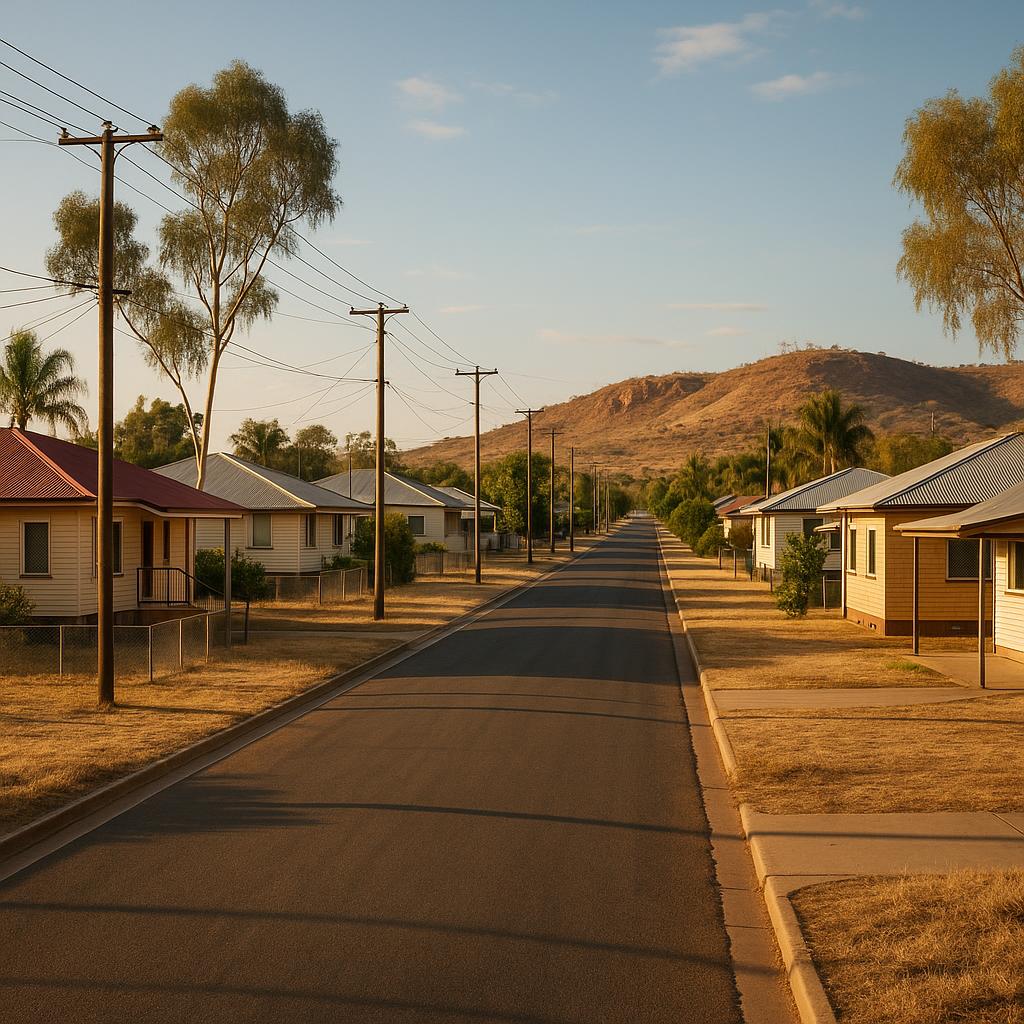
Mount Isa is a regional service centre rather than a broad, commuter-based suburb market, so its property performance tends to be more localised and more cyclical than major-city markets. The practical takeaway is simple: buyers need to focus on usable housing, reliable access to services, and the strength of the local employment base.
Within the local market, value can vary significantly from one pocket to another depending on house condition, street presentation, and convenience to work, shops, and schools. That means a lower-priced home is not automatically the better buy; the better buy is usually the one that will still appeal to the next owner or tenant in two to five years.
For investors, Mount Isa is best assessed through a resilience lens. Look at how durable the dwelling is, how easy it would be to lease if demand softens, and whether the property will remain functional if maintenance costs rise. For homeowners, the same logic applies: choose the home that best supports day-to-day life, not just the one with the lowest entry price.
Buyer Demand
Buyer demand is typically driven by people who live and work in the region, including mining-related workers, health and education staff, local business owners, and families looking for detached housing. Because the buyer pool is narrower than in a capital city, properties that are too niche, too costly to maintain, or awkward in layout can take longer to attract interest.
The strongest demand usually sits with homes that are tidy, functional, and easy to look after. If a property suits a broad local audience, it is more likely to sell cleanly later and to rent without heavy discounting. That is especially important in a market where practical value often matters more than cosmetic upgrades.
Rental Market
The rental market in Mount Isa is shaped by local employment patterns, limited supply swings, and the practical needs of households who want reliable, comfortable housing. For investors, that means the right property is not just the one with the best advertised rent; it is the one that is easiest to keep occupied and maintain.
Tenants often prioritise cooling, secure parking, good presentation, and a layout that works for daily routines. Properties that are durable, easy to clean, and close to services generally have a better chance of attracting long-term tenants. Before buying, check current rental listings and speak with local managers about what is leasing fastest and what is lingering.
Lifestyle, Transport & Schools
Mount Isa offers a practical regional lifestyle with a strong community feel, open space, and essential amenities rather than a big-city entertainment mix. That can be a genuine advantage for households who value simplicity and space, but it also means buyers should be comfortable with regional distances, hotter conditions, and a more car-dependent routine.
Most daily travel is by private vehicle, so access to work, shops, recreation, and health services should be checked before you buy. A home that looks inexpensive on paper can become inconvenient if every school run, appointment, or grocery trip requires extra driving time.
Families should compare properties by how well they fit school and activity routines, rather than focusing on school rankings alone. In regional markets, convenience and predictability often matter more than prestige. For owners and investors alike, homes near everyday services usually have broader appeal and better long-term usability.
Mount Isa Suburb Profile
Official 2021 Census snapshot for the ABS Suburbs and Localities geography.
Age profile
Housing tenure
Occupied private dwellings by tenure type.
Salary & income profile
Median total income reported in the Census.
*Annual figures are weekly median × 52 estimates, not separate ABS annual medians.
Education & qualifications
Highest educational attainment, people aged 15+.
Employment status
People aged 15+ who reported being in the labour force.
Industry of employment
Top responses among employed people aged 15 years and over.
Occupation profile
Broad occupation groups among employed residents, including managers.
Property Type Guide
- Detached houses: Often the core market choice, with broad appeal for families and owner-occupiers, but usually more upkeep than smaller dwellings.
- Older homes: May offer value if condition is solid, but inspections should focus on roofing, cooling, plumbing, and general wear.
- Updated homes: Usually easier to rent or move into quickly, especially when improvements are durable rather than purely cosmetic.
- Low-maintenance properties: Can suit investors and downsizers who want simpler ownership and fewer surprise repair bills.
If you are buying to invest, match the property type to the likely tenant profile and your maintenance capacity. If you are buying to live in, prioritise comfort, durability, and the practical cost of ownership over novelty.
Risks & Watch-Outs
- Local demand can shift with employment conditions, so avoid assuming every cycle will be strong.
- Remote-market liquidity may be thinner than metro areas, which can lengthen selling time.
- Older houses may carry hidden maintenance costs that are easy to underestimate at first inspection.
- Insurance, access to trades, and climate-related wear can materially affect holding costs.
- Properties that look cheap but suit only a narrow buyer or tenant group can be harder to exit later.
Nearby Suburbs to Compare
- Mount Isa City
- Mornington
- Parkside
- Riversleigh
- Healy
- Happy Valley
Compare these pockets by convenience, housing condition, and the kind of tenant or owner-occupier they are likely to attract. The best comparison is not always the cheapest one; it is the one that best matches your purpose.
FAQ
Is Mount Isa a good place to buy property?
It can be, if you buy for the right reason and choose the right asset. Mount Isa suits buyers who understand regional risk, want practical housing, and are comfortable with a market influenced by local employment and service demand.
Is Mount Isa better for owner-occupiers or investors?
It can suit both, but the decision depends on your objective. Owner-occupiers should prioritise liveability, access, and ongoing maintenance. Investors should focus on tenant demand, durability, vacancy resilience, and ease of management.
What type of property performs best?
In practical terms, homes with broad appeal tend to perform best: functional layouts, decent presentation, manageable upkeep, and reasonable access to services. In smaller regional markets, overly specialised homes can be harder to sell or lease.
What are the biggest risks in Mount Isa?
The main risks are employment concentration, resale liquidity, maintenance burden, and buying a property that does not suit the local market. Those risks are manageable if you verify condition, demand, and insurance before committing.
How should I compare Mount Isa with other regional markets?
Compare the property against similar regional centres on employment stability, housing stock quality, rental conditions, and lifestyle fit. The best choice is the market where your budget, risk tolerance, and holding strategy align most cleanly.
Conclusion
Mount Isa can be a sensible purchase for buyers who value practicality, regional living, and a clear understanding of local demand. The strongest results usually come from choosing a durable, easy-to-manage property in a convenient pocket. If you buy here, do it with a long-term view and verify the current market carefully.
Sources & how to verify
- Check current listings and recent sold evidence on Domain to see what is actually moving in Mount Isa right now.
- Review live rental listings on realestate.com.au to confirm asking rents, property types, and how long comparable homes are advertised.
- Use the Australian Bureau of Statistics to check the latest available community and housing data rather than relying on old summaries.
- Search the Queensland Government transport information for road access updates if you want to understand connectivity and travel constraints.
- Check Queensland Government education information and individual school websites to confirm enrolment areas, programs, and proximity.
- Use the Courier-Mail real estate section or other current market coverage only as context, not as a substitute for on-the-ground evidence.
- Speak with a local property manager or selling agent to verify tenant demand, maintenance issues, and which streets or dwelling types are leasing best.