Quick Answer
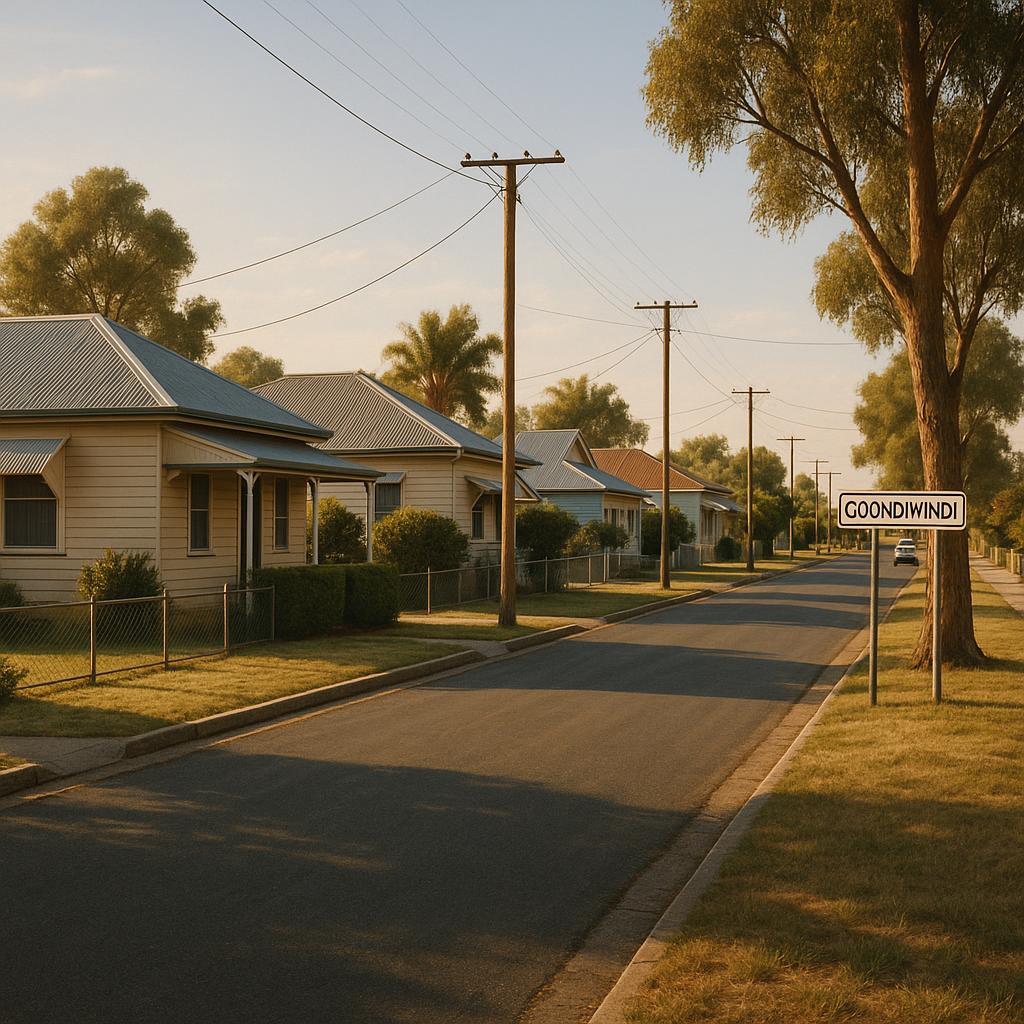
Goondiwindi is best understood as a practical regional border-town market, not a high-growth headline suburb. It tends to suit buyers and investors who value affordability, usable housing, and steady local demand over rapid capital appreciation. If you want space, a community feel, and a market driven by everyday needs rather than speculation, it is worth a close look. The key is to match the property to your purpose and verify site-specific risks before you buy.
Key Takeaways
- Goondiwindi suits buyers who prioritise functionality, value, and a quieter regional lifestyle.
- Investor decisions should focus on tenant depth, property condition, and resale liquidity, not just entry price.
- Homes with broad appeal, good presentation, and low maintenance usually have the strongest practical demand.
- Older stock can offer value, but condition, drainage, and upkeep deserve careful inspection.
- Compare the town’s role as a service centre with nearby regional alternatives before committing to a strategy.
Pros & Cons
Pros
- More approachable for buyers who want a regional entry point with practical housing stock.
- Community-oriented town with everyday amenities and a lower-density feel.
- Useful for buyers wanting yards, sheds, and homes that suit real-world living.
Cons
- Buyer depth is typically smaller than in larger urban or coastal centres.
- Resale momentum may be slower, especially for homes needing work.
- Rental demand can be more sensitive to local employment and tenant turnover.
Market Overview
Goondiwindi functions as a regional service centre and border town, which gives the market a practical, utility-driven character. In simple terms, the town attracts buyers who need to live, work, or hold property in a place where convenience, space, and local services matter more than urban amenity. That context is important because it shapes both owner-occupier demand and rental expectations.
The market often rewards sensible, well-kept homes more than expensive features. A property that is comfortable, functional, and easy to maintain will usually have a clearer buyer pool than a larger home with visible deferred maintenance. For investors and homeowners, the town’s role in the region matters as much as the postcode itself.
When assessing Goondiwindi, focus on the property’s practical fit: access to services, condition of the dwelling, block usability, and how well it suits local demand. In regional markets like this, “good enough in the right place” can be more valuable than “big but inconvenient.”
Buyer Demand
Demand is generally led by local families, long-term residents, first-home buyers seeking a more accessible entry point, and lifestyle buyers who prefer a quieter regional base. Investors also participate, but the strongest outcomes usually come from homes that meet both owner-occupier and tenant expectations.
Broadly, the best-supported properties tend to be those with functional floorplans, decent presentation, usable outdoor space, and manageable upkeep. If a home feels easy to live in and easy to lease, it is more likely to attract interest across different buyer groups.
Rental Market
The rental market in a smaller regional town depends on dependable tenant sources and housing that suits everyday needs. In Goondiwindi, that usually means comfort, practicality, and low friction: good ventilation or cooling, straightforward layouts, and a standard of presentation that feels move-in ready.
Investors should think carefully about maintenance. In smaller rental pools, poor presentation or obvious repair issues can have a bigger effect on leasing time and tenant quality. A modest but tidy home is often easier to hold than a larger property that quickly becomes expensive to maintain.
Lifestyle, Transport & Schools
Goondiwindi offers a quiet, practical, community-driven lifestyle. It suits people who want a slower pace, more space, and fewer of the costs and pressures that come with metropolitan living. For homeowners, that can mean a stronger day-to-day fit; for investors, it often translates to tenant retention when the home is well located and well maintained.
Transport considerations are still relevant, even in a smaller town. Road access matters for work travel, freight, services, and trips to larger centres. The border-town setting also shapes movement patterns, which can support local activity and influence how residents use the town.
School access is part of the decision-making for many families, and that can affect both owner-occupier demand and rental appeal. Rather than relying on assumptions, check current school zoning, enrolment pathways, and proximity using official sources before buying.
Goondiwindi Suburb Profile
Official 2021 Census snapshot for the ABS Suburbs and Localities geography.
Age profile
Housing tenure
Occupied private dwellings by tenure type.
Salary & income profile
Median total income reported in the Census.
*Annual figures are weekly median × 52 estimates, not separate ABS annual medians.
Education & qualifications
Highest educational attainment, people aged 15+.
Employment status
People aged 15+ who reported being in the labour force.
Industry of employment
Top responses among employed people aged 15 years and over.
Occupation profile
Broad occupation groups among employed residents, including managers.
Property Type Guide
- Detached houses: Often the broadest fit for families, owner-occupiers, and investors wanting straightforward demand.
- Homes on larger blocks: Can appeal to buyers who value sheds, storage, outdoor utility, or future flexibility.
- Older homes: May offer character or value, but inspect for hidden maintenance and renovation scope.
- Modest, well-kept stock: Usually easier to lease and hold than oversized homes with higher upkeep.
- Value-add properties: Best for buyers comfortable with cosmetic upgrades, trades coordination, and longer hold planning.
Risks & Watch-Outs
- Check flood and weather exposure carefully, especially where drainage, lot elevation, or historic water issues may matter.
- Do not assume a low-maintenance look means a low-maintenance property; older roofs, plumbing, and cooling can be costly.
- Resale liquidity may be thinner than in larger centres, so your exit strategy should be realistic from day one.
- Rental demand should be verified with current local evidence rather than broad regional assumptions.
- Inspect land use, zoning, and any site-specific constraints before relying on a property’s apparent flexibility.
Nearby Suburbs to Compare
FAQ
Is Goondiwindi a good place to buy a house?
It can be a sensible choice if you want a regional town with practical amenity, a quieter lifestyle, and housing that is often more functional than flashy. It suits buyers who value utility, but you should still compare condition, location, and flood exposure before committing.
Is Goondiwindi a good suburb for investors?
Potentially, yes, if you focus on properties that meet local tenant needs and keep maintenance manageable. Investors should not rely on one headline metric. Instead, confirm tenant depth, lease demand, and repair risk with current local property managers and listings.
What type of property performs best in Goondiwindi?
Generally, well-presented detached homes with practical layouts and usable outdoor space are the easiest to understand from both a resale and rental perspective. Homes that are tidy, durable, and low-fuss tend to be simpler to lease and hold in a regional market.
What should first-home buyers know before purchasing?
First-home buyers should prioritise livability, maintenance burden, and site checks over cosmetic appeal. In a regional town, the wrong house can become expensive if it needs immediate repairs or has hidden land issues. Verify building condition, services, and local amenities carefully.
What are the main risks in the Goondiwindi property market?
The main risks are weather exposure, older dwelling maintenance, limited buyer depth, and overestimating rental demand. Because regional markets can be less liquid, it is important to inspect the property thoroughly and make sure your exit plan is realistic.
Conclusion
Goondiwindi is best suited to buyers and investors who want a practical regional market with everyday utility, community feel, and housing that supports real-life needs. The strongest decisions here usually come from matching the property to the purpose, checking condition carefully, and comparing alternatives before buying.
Sources & How to Verify
- Check current sold results and active listings on realestate.com.au to confirm what similar properties are actually achieving right now.
- Review current rental listings and advertised asking rents on Domain so you do not rely on outdated rent assumptions.
- Use ABS data to understand broader regional context, while remembering it does not replace street-level property due diligence.
- Check planning, zoning, and local development information on Balonne Shire Council before assuming a site can be used the way you expect.
- Confirm flood mapping, property overlays, and any relevant hazard information through QLD Globe or related Queensland Government mapping tools.
- Verify nearby school options and catchments on the Queensland Government school finder rather than relying on informal advice.
- Speak with local property managers and agents to test vacancy, tenant profile, and maintenance expectations against what is happening on the ground.
- Physically inspect comparable homes in the same price band, because regional markets often reward condition and site quality more than generic suburb averages.