Quick Answer
Gympie is a regional Queensland market that can suit buyers who want more space, a practical lifestyle, and a lower-density feel than many coastal or metro alternatives. It is often considered by owner-occupiers, tree-change buyers, and investors who value affordability and steady rental utility over hype. The key is to buy with discipline: focus on location, condition, flood awareness, tenant demand, and holding costs rather than headline promises.
Key Takeaways
- Gympie appeals to buyers who want regional living with services, character, and a more affordable entry than many SEQ alternatives.
- Demand is usually driven by affordability, lifestyle migration, local employment, and buyers seeking more usable land or better value.
- Investors should assess micro-location carefully, because street-level differences can matter more than suburb-wide averages.
- Rental appeal tends to favour practical, low-fuss homes that are easy to maintain and easy for tenants to live in.
- Older homes can offer upside, but inspection, insurance, flood, and repair checks are essential before committing.
Pros & Cons
Pros
- Relative affordability compared with many coastal or metropolitan Queensland markets.
- Regional lifestyle appeal with space, character, and a more grounded buyer pool.
- Potential renovation value in older housing stock for buyers who understand the risks.
Cons
- Performance can vary sharply by pocket, so generic suburb assumptions can mislead buyers.
- Older homes may bring higher maintenance, insurance, and compliance costs.
- Transport convenience for daily commuting can be less flexible than in larger urban centres.
Market Overview
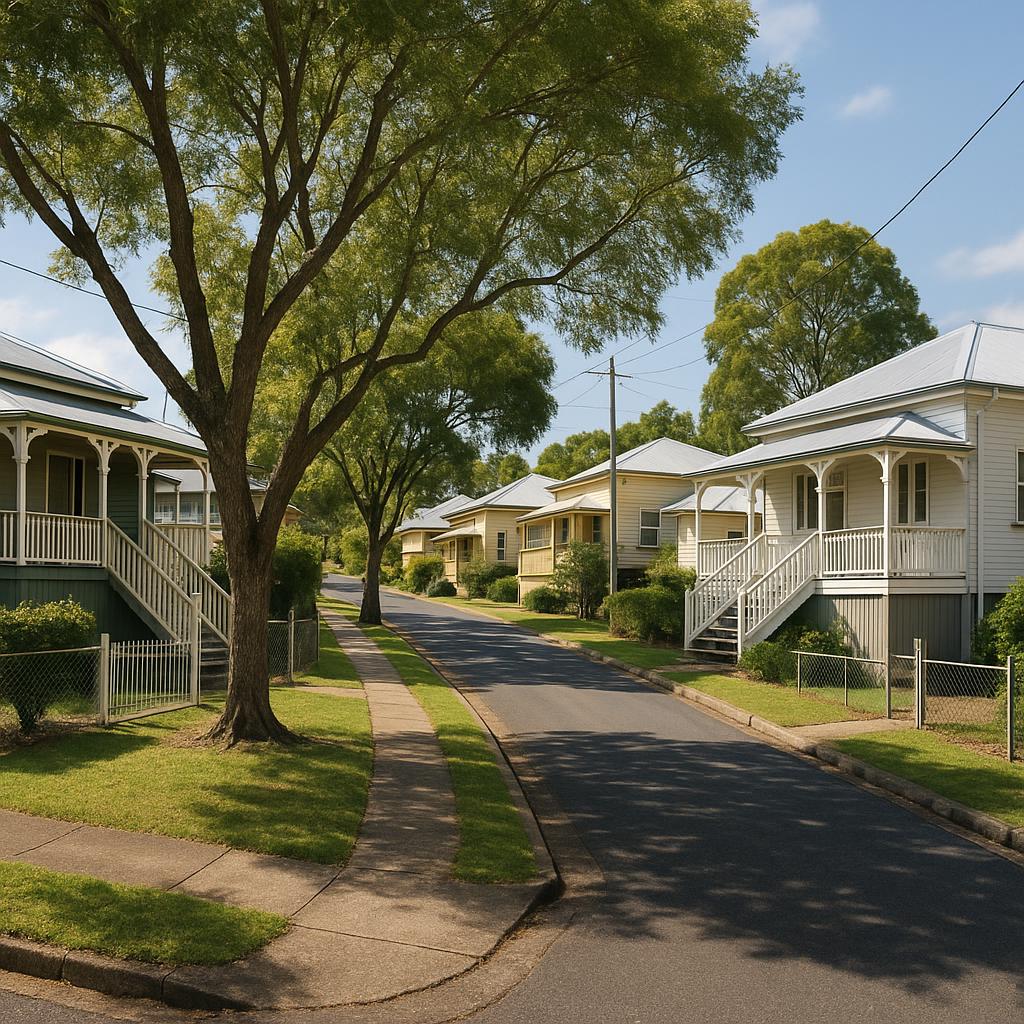
Gympie sits in the “practical regional market” category rather than the trophy-growth or inner-city game. It attracts a mix of local owner-occupiers, downsizers, tree-change buyers, and investors looking for a more accessible entry point. The housing stock is varied, which means value depends heavily on property condition, land, flood exposure, and the exact street.
For buyers, that means Gympie is less about chasing a single suburb average and more about identifying the right pocket and the right dwelling type. A tidy, move-in-ready home on a sensible block may appeal far more than a larger property that needs work and sits in a more exposed location. Verification matters: check recent comparable sales, rental listings, and local agent insights before drawing conclusions.
Gympie’s appeal also comes from lifestyle practicality. Buyers who want space and regional character often see it as a compromise between affordability and access to broader Southeast Queensland. That trade-off can work well, but only if commute tolerance, maintenance budget, and daily service needs are aligned with your plans.
Buyer Demand
Demand in Gympie is usually shaped by affordability, lifestyle movement, and the search for more workable housing options. First-home buyers may be drawn to entry-level houses or units, while families often look for functional layouts, yard space, and proximity to daily essentials.
For investors, the strongest buyer pool tends to be properties that are easy to understand and easy to maintain. A renovated home, a neat low-maintenance dwelling, or a solid older property with clear upside can all attract interest — but only if the price, presentation, and location make sense. Watch who is attending open homes, ask agents what is actually selling, and compare like-for-like properties rather than relying on broad market talk.
Rental Market
Gympie’s rental market generally suits practical homes that meet everyday needs without creating a maintenance headache. Tenants commonly prioritise liveable layouts, sensible parking, basic storage, and access to services rather than premium finishes. For landlords, that means the property’s rentability can depend as much on functionality as on location.
Investors should verify current asking rents, vacancy signals, and the likely tenant profile before buying. A home that looks attractive on paper can underperform if it needs frequent repairs, has awkward access, or sits in a less convenient pocket. Cosmetic improvements can help, but only when they improve livability without overcapitalising.
Lifestyle, Transport & Schools
Gympie suits buyers who want a regional pace with community character and everyday convenience. The lifestyle story is about more space, a less congested environment, and easier access to the kinds of homes many buyers can no longer find in higher-priced coastal markets. That said, lifestyle value is personal: what feels calm to one buyer may feel too quiet to another.
Transport and schooling decisions should be checked in practical terms. If you commute, test the route at the time you would normally travel and confirm whether the drive pattern suits your routine. Families should focus on convenience to schools, childcare, sport, health services, and shops rather than chasing rankings. For up-to-date school information, use official Queensland sources and verify catchment details directly before relying on hearsay.
Gympie can work well for households willing to trade some urban convenience for space and a more relaxed environment. If hybrid work is part of the picture, the location can make more sense; if daily commuting is non-negotiable, transport reality should be tested carefully.
Gympie Suburb Profile
Official 2021 Census snapshot for the ABS Suburbs and Localities geography.
Age profile
Housing tenure
Occupied private dwellings by tenure type.
Salary & income profile
Median total income reported in the Census.
*Annual figures are weekly median × 52 estimates, not separate ABS annual medians.
Education & qualifications
Highest educational attainment, people aged 15+.
Employment status
People aged 15+ who reported being in the labour force.
Industry of employment
Top responses among employed people aged 15 years and over.
Occupation profile
Broad occupation groups among employed residents, including managers.
Property Type Guide
- Houses: Often the main drawcard for owner-occupiers and investors wanting land, flexibility, and longer-term upside potential.
- Older homes: Can offer character and renovation opportunity, but require careful checks for structure, moisture, wiring, plumbing, and termites.
- Low-maintenance dwellings: May suit investors or downsizers who want simpler upkeep and easier day-to-day management.
- Updated or newer homes: Usually appeal to buyers who value move-in readiness, lower immediate maintenance, and broader tenant appeal.
- Rural-adjacent or larger-block properties: Can suit lifestyle buyers, but they need stronger due diligence around access, services, and ongoing costs.
Risks & Watch-Outs
- Micro-location matters, so compare individual streets, not just the suburb name.
- Flood, drainage, and insurance checks are essential in any regional market with varied topography.
- Older housing can hide costly issues in roofs, plumbing, electrical systems, or damp-prone areas.
- Regional markets can be sensitive to local employment, buyer sentiment, and migration patterns.
- Do not assume a property with strong land content is automatically a better investment than a well-located, lower-maintenance home.
Nearby Suburbs to Compare
FAQ
Is Gympie a good place for first-home buyers?
It can be, especially for buyers who want more space or a regional lifestyle and are comfortable with the trade-offs. The key is to inspect carefully, compare repair costs, and confirm the property suits your budget, commuting needs, and ongoing holding costs.
Is Gympie a good area for property investors?
Potentially, yes, but only with disciplined due diligence. Investors should focus on practical housing, tenant appeal, insurance, and maintenance risk. A property that leases well and is easy to manage may outperform a cheaper but harder-to-hold asset.
What property types are most practical in Gympie?
Usually the most practical options are tidy houses, low-maintenance dwellings, and well-presented updated homes. Older character properties can work too, but only if you are prepared for inspections, repairs, and the possibility of higher ongoing costs.
What should I check before buying an older home in Gympie?
Prioritise building and pest inspection findings, drainage and flood exposure, roof condition, plumbing, electrical safety, and likely insurance costs. If you are unsure, get quotes and advice before you make an offer rather than after contract signing.
How do I compare Gympie with nearby regional markets?
Compare like for like: house to house, unit to unit, renovated to renovated. Then weigh land size, maintenance, commute reality, services, and rental demand. Price alone rarely tells the full story in a regional market.
Conclusion
Gympie can suit buyers who value regional living, practical affordability, and a wider choice of housing styles. It is not a market to approach casually. The best results usually come from careful micro-location research, disciplined due diligence, and choosing a property that matches your strategy, not just your preference.
Sources & How to Verify
- Check current listings and recent sold examples on Domain so you can compare asking prices, property types, and presentation standards in real time.
- Use realestate.com.au to review active rental stock and see whether houses, units, or larger-block homes are leasing more readily.
- Review flood, planning, and local development information on the Gympie Regional Council website before assuming any block is low risk.
- Check demographic and household data on ABS to understand who lives in the area and how the resident profile may shape demand.
- Confirm school details and catchment-related information through the Queensland Government school finder rather than relying on informal comments.
- Ask a local property manager what tenants are actually requesting, because rentability often depends on layout, condition, and convenience more than broad suburb sentiment.
- Obtain a building and pest inspection before contract finalisation so you can price in repairs, defects, and any urgent maintenance realistically.
Internal link suggestions
- Hervey Bay QLD Property Market Guide: Buyers & Investors
- Maryborough QLD Property Market Guide: Buyers & Investors
- Pialba QLD Property Market Guide: Buyers & Investors
- Urangan QLD Property Market Guide: Buyers & Investors