Quick Answer
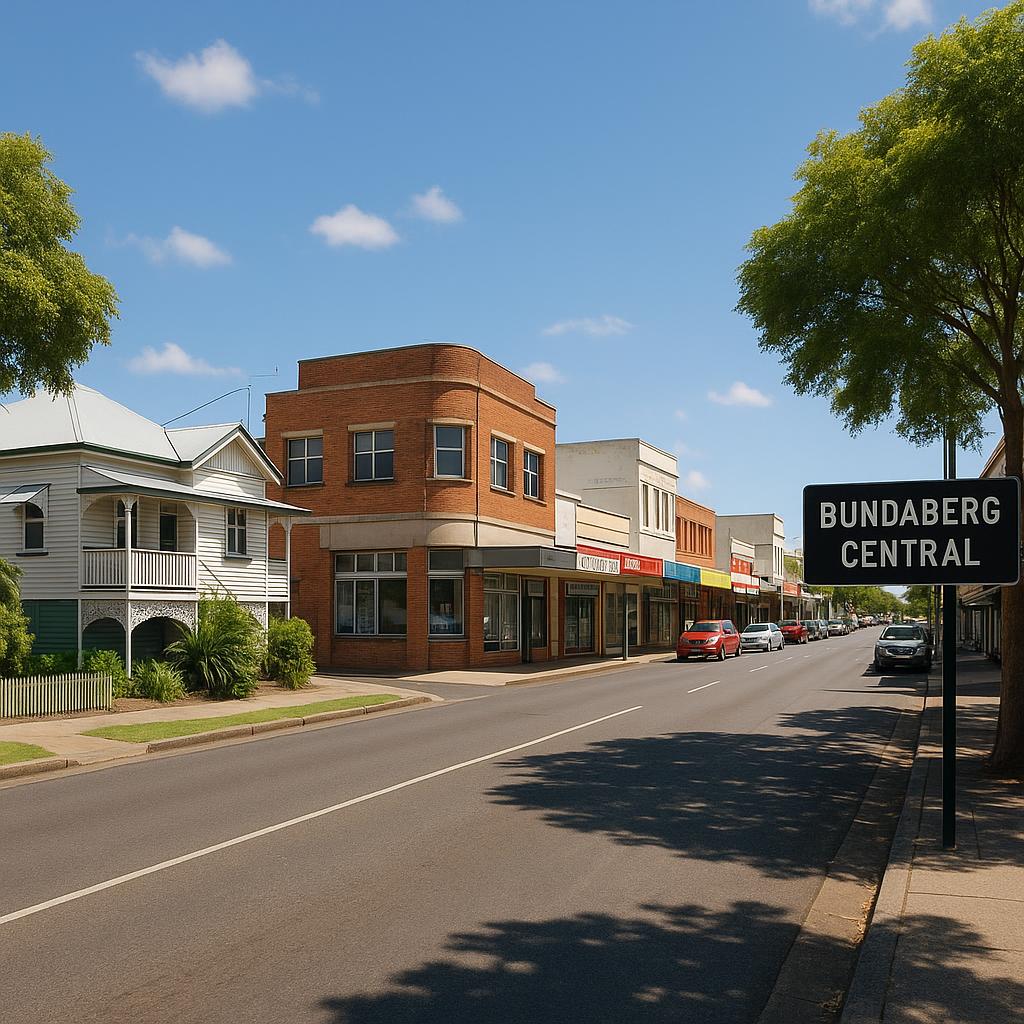
Bundaberg Central is the CBD heart of Bundaberg, best suited to buyers who want central convenience and investors seeking practical, walkable rental demand. It is generally a location-first market rather than a land-size or prestige play, so the best outcomes come from choosing the right property type, street, and condition. Expect older housing stock, mixed-use surroundings, and strong differences from one pocket to the next. Check flood exposure, maintenance needs, parking, and nearby land use before you buy.
Key Takeaways
- Bundaberg Central suits buyers who value convenience, short trips, and access to daily services more than large blocks.
- The suburb’s strongest appeal often comes from location, not from brand-new housing or extensive land content.
- Investors should focus on tenant fit, upkeep, and parking, because central demand can still be property-specific.
- Older homes may offer renovation upside, but only where structure, drainage, and layout justify the work.
- Always verify flood, planning, and street-level conditions before relying on a broad suburb impression.
Pros & Cons
Pros
- Central convenience makes everyday errands, appointments, and services easier to access.
- Broad appeal can suit owner-occupiers, downsizers, and investors with different holding strategies.
- Some older dwellings may provide value-add potential through renovation or smarter reconfiguration.
Cons
- Older stock can mean higher maintenance, especially if deferred repairs are already present.
- Street-to-street variation can be significant for noise, flooding, parking, and surrounding uses.
- Central living often trades off yard size, privacy, and modern finishes.
Market Overview
Bundaberg Central sits in the city core, so it behaves like a convenience-led market rather than a lifestyle-acreage or family-estate suburb. The local housing mix commonly includes older detached homes, units, and pockets of mixed-use land, which means buyers need to judge each property on its own merits rather than assume one suburb-wide pattern.
That positioning matters because central buyers are usually trading space for access. A smaller home close to services can make sense for a downsizer or first-home buyer who wants low-friction living, while a renovator may see upside in older stock if the structure, drainage, and layout are workable. In central suburbs, land use and building condition can matter as much as the postcode itself.
For investors, Bundaberg Central is best viewed as a practical leasing location. The strongest assets are usually those that reduce tenant friction: easy access, sensible parking, tidy presentation, and manageable maintenance. A property that is simple to occupy and maintain often outperforms a larger but less functional option.
Buyer Demand
Demand is typically driven by people who want everyday efficiency: first-home buyers, downsizers, couples, and workers who value proximity to the CBD and services. It can also appeal to buyers who want a central base without needing a large yard or a long commute.
What holds demand together here is utility. Buyers tend to compare the time saved and convenience gained against compromises like older finishes or less private outdoor space. That means presentation, access, and street context can affect buyer interest as much as bedroom count.
Rental Market
For investors, Bundaberg Central can suit a broad tenant pool because central locations stay useful even when household budgets tighten. Likely tenant groups include singles, couples, key workers, and tenants who prioritise close access to services and a lower-maintenance routine.
The best rental outcomes usually come from properties that are easy to live in and easy to manage. A compact home or unit with workable parking and a tidy fit-out may attract stronger enquiry than a larger older house that needs repairs before it is comfortable. Compare recent listings and local property manager feedback to confirm what currently leases well.
Lifestyle, Transport & Schools
Lifestyle here is urban and practical. Shops, health services, dining, and civic facilities are close enough that many residents can reduce routine driving. That convenience is the main attraction for owner-occupiers who want efficiency over acreage or a more secluded residential feel.
Transport and access are also part of the value proposition. Living centrally can shorten everyday travel across Bundaberg and make it easier to reach surrounding services without planning every trip around the car. Buyers should still assess parking, street access, and how busy the immediate area feels at different times of day.
Families should verify school options, catchments, and enrolment requirements directly through official sources, because those details can change and may differ by address. In a central suburb, school access may be important, but for many buyers the bigger advantage is still proximity to work, services, and medical appointments.
Bundaberg Central Suburb Profile
Official 2021 Census snapshot for the ABS Suburbs and Localities geography.
Age profile
Housing tenure
Occupied private dwellings by tenure type.
Salary & income profile
Median total income reported in the Census.
*Annual figures are weekly median × 52 estimates, not separate ABS annual medians.
Education & qualifications
Highest educational attainment, people aged 15+.
Employment status
People aged 15+ who reported being in the labour force.
Industry of employment
Top responses among employed people aged 15 years and over.
Occupation profile
Broad occupation groups among employed residents, including managers.
Property Type Guide
- Older detached homes: Often suit renovators or buyers wanting character and land, but check structural condition, roofing, drainage, and whether the floorplan still works.
- Units and low-maintenance dwellings: Often suit investors, downsizers, and busy households that value easier upkeep and simpler day-to-day management.
- Mixed-use or redevelopment-sensitive sites: May suit buyers who understand zoning, planning controls, and long-term land strategy.
- Best fit by buyer: First-home buyers usually want manageable upkeep; investors want reliable leasing appeal; downsizers want convenience; renovators want genuine upside, not cosmetic only.
Risks & Watch-Outs
- Flood exposure and drainage issues can materially affect insurance, resale, and liveability, so check official mapping before making an offer.
- Older buildings may hide repair costs behind a tidy façade, especially with roofing, stumps, plumbing, and wiring.
- Mixed-use surroundings can create noise, traffic, or amenity trade-offs that are not obvious from online listings.
- Parking and access deserve close attention because central convenience can be offset by practical day-to-day frustration.
- Never assume the whole suburb behaves the same; inspect the exact street, adjoining uses, and block presentation carefully.
Nearby Suburbs to Compare
- Rockhampton City QLD Property Market Guide: Buyers & Investors
- Brisbane City QLD Property Market Guide: Buyers & Investors
- Gladstone Central QLD Property Market Guide: Buyers & Investors
- Bundaberg South
- Millbank
- Walkervale
FAQ
Is Bundaberg Central a good suburb for first-home buyers?
It can be, if your priority is convenience rather than a large block or a brand-new home. First-home buyers should focus on building condition, parking, and the true cost of any immediate updates, because older central homes can hide extra expenses.
Is Bundaberg Central suitable for investors?
Yes, for investors who want broad tenant appeal and manageable vacancy risk driven by location. The key is choosing a property that is easy to maintain and easy to occupy, because central demand does not automatically compensate for poor presentation or high repair costs.
What type of property is usually the safest buy here?
A “safe” buy depends on your strategy, but low-maintenance homes and well-kept units often reduce holding stress in central suburbs. If you buy an older house, make sure the structure, drainage, and layout justify the extra work and ongoing maintenance.
What should I inspect before buying in Bundaberg Central?
Check the roof, stumps, plumbing, wiring, drainage, parking, and nearby land uses. Also review flood mapping and any planning overlays. In a central suburb, the immediate street environment can influence value as much as the dwelling itself.
How does Bundaberg Central compare with nearby suburbs?
Bundaberg Central trades space for access. Nearby suburbs may offer a quieter residential feel, larger blocks, or a more family-focused environment, while the CBD core usually wins on convenience and daily practicality. Compare based on your need for lifestyle, investment simplicity, or renovation potential.
Conclusion
Bundaberg Central is a practical, centrally located suburb with clear appeal for buyers who value convenience and investors who want straightforward tenant demand. The best results usually come from careful property selection, not from assuming every central address performs the same. Inspect the micro-location, verify risks, and compare the dwelling against nearby alternatives before you commit.
Sources & How to Verify
- Check current sold prices and active listings on Domain so you can compare asking prices with real market evidence rather than relying on estimates.
- Use realestate.com.au to review recent listings, property features, and how long similar homes are taking to move.
- Review the Australian Bureau of Statistics for up-to-date census context if you want to understand the suburb’s household and dwelling profile.
- Confirm zoning, overlays, and planning controls through the Bundaberg Regional Council website before assuming a site can be used or altered the way you expect.
- Check flood information and any relevant hazard data through Queensland Government resources so you can assess insurance and livability risk properly.
- Verify school options, catchment details, and enrolment rules directly with the relevant school or official Queensland school finder rather than relying on hearsay.
- Speak with local property managers about tenant demand, rentability, and maintenance expectations because they see real vacancy patterns that sales portals do not show.
Images: