Quick Answer
Glenside is a tightly held inner-east Adelaide suburb that suits buyers who value proximity, established character, and everyday convenience more than large blocks or bargain entry prices. It is usually best for owner-occupiers, downsizers, medical and education professionals, and investors chasing broad tenant appeal rather than speculative upside. In practical terms, Glenside rewards disciplined buyers who focus on dwelling type, street context, and resale fit, not just the suburb name.
Key Takeaways
- Glenside is more about location and liveability than abundant stock or new-land opportunities.
- Demand is supported by inner-east convenience, employment access, and a broad professional tenant base.
- The suburb suits buyers willing to pay for established amenity, low-friction living, and long-term appeal.
- Investors should prioritise dwelling condition, maintenance profile, and the likely tenant profile for each property type.
- Careful street-level due diligence matters because small location differences can materially affect value and desirability.
Pros & Cons
Pros
- Inner-east location with strong day-to-day convenience.
- Established suburb feel with limited land-supply characteristics.
- Broad appeal to owner-occupiers, downsizers, and renters.
Cons
- Entry can feel competitive in a tightly held market.
- Less suitable for buyers wanting large yards or new estate housing.
- Limited stock can reduce choice and negotiation power.
Market Overview
Glenside sits in Adelaide’s inner-east corridor and is generally regarded as a convenience-led, established suburb with strong owner-occupier appeal. The market is shaped by proximity, amenity, and a preference for low-maintenance living rather than by large-scale land release or fringe growth dynamics.
That means the value proposition is often tied to the individual property more than the suburb label alone. A well-presented townhouse on a quieter street may appeal very differently from an older house needing work, even if both sit within the same suburb boundary.
For buyers, the key is to compare like with like: house versus house, townhouse versus townhouse, and unit versus unit. Use current comparable sales, planning context, and street-level inspection results to judge whether the asking price reflects the property’s true liveability and resale depth.
Buyer Demand
Buyer demand in Glenside is typically driven by people who want an inner-east base with quick access to the CBD and surrounding services. The strongest audience is usually a mix of professionals, downsizers, and established households that prefer convenience over outer-suburban space.
That buyer mix matters because it supports resale liquidity for properties that are easy to maintain, well-located, and broadly usable. If a dwelling appeals to more than one cohort, it tends to have a deeper future buyer pool than a highly specialised property.
Rental Market
For investors, Glenside can work well when the property matches the expectations of busy tenants: easy access, sensible layouts, and lower maintenance requirements. Properties that are simple to look after are often more attractive than larger homes with higher upkeep and less practical floorplans.
Tenant demand should be assessed by dwelling type, not just suburb reputation. A tidy townhouse or well-kept unit may lease more smoothly than an older house that needs ongoing attention, even if the house has better land value on paper.
Lifestyle, Transport & Schools
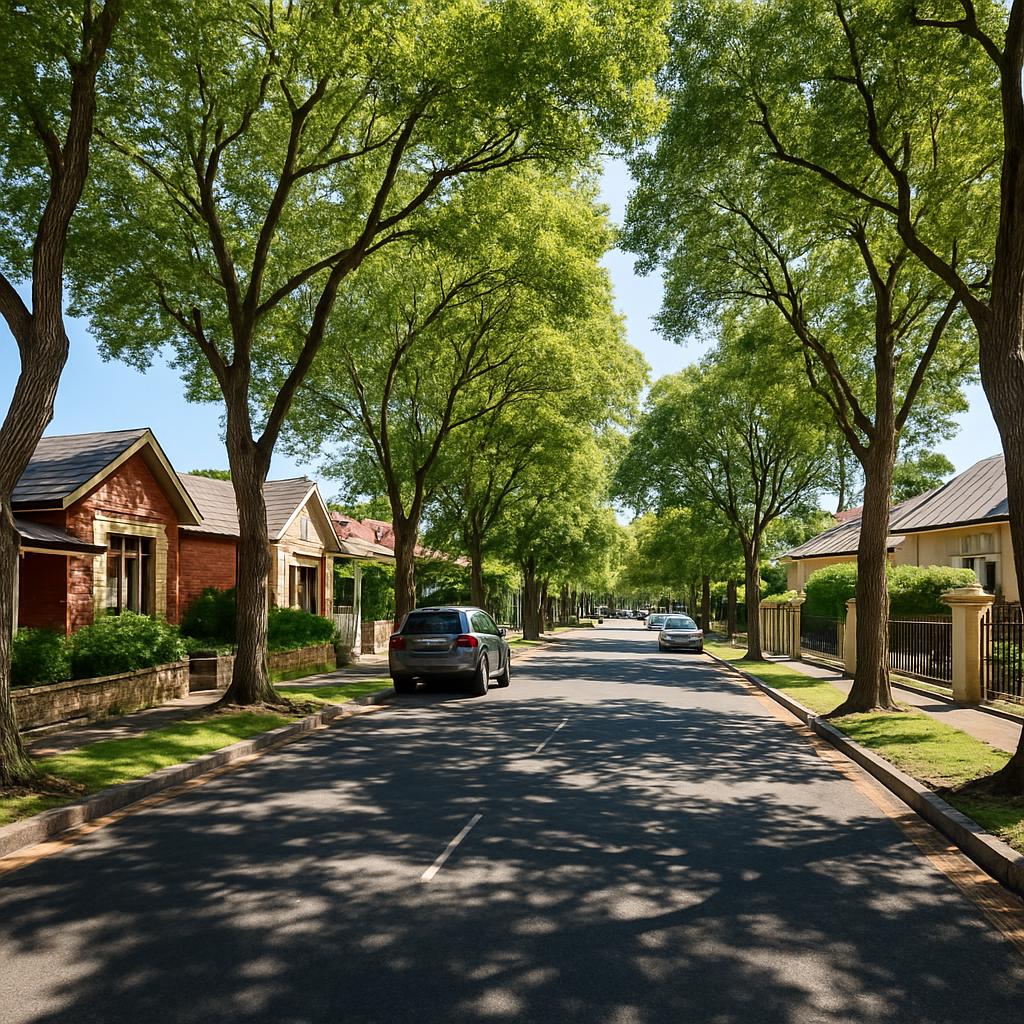
Glenside offers an inner-east lifestyle that feels convenient and established rather than trendy or fringe-growth focused. Buyers are typically drawn to the ability to access shopping, services, and city-bound trips without giving up a residential neighbourhood feel.
Transport is a practical selling point here, especially for commuters who want flexible road access and workable public transport options. When assessing a property, test the real travel experience at peak times, not just the map distance to the CBD.
Families should verify school catchments directly before making assumptions, because boundaries and enrolment rules matter more than reputation alone. For many buyers, proximity to education options is less about rankings and more about daily logistics, traffic, and long-term certainty.
Glenside Suburb Profile
Official 2021 Census snapshot for the ABS Suburbs and Localities geography.
Age profile
Housing tenure
Occupied private dwellings by tenure type.
Salary & income profile
Median total income reported in the Census.
*Annual figures are weekly median × 52 estimates, not separate ABS annual medians.
Education & qualifications
Highest educational attainment, people aged 15+.
Employment status
People aged 15+ who reported being in the labour force.
Industry of employment
Top responses among employed people aged 15 years and over.
Occupation profile
Broad occupation groups among employed residents, including managers.
Property Type Guide
- Established houses: Best for buyers wanting space and long-term flexibility, but they can come with greater maintenance and renovation exposure.
- Townhouses: Often the strongest fit for low-maintenance living, investors, and downsizers who want convenience with less upkeep.
- Units: Can provide a simpler entry and easier care, but check strata costs, sinking fund health, and ongoing restrictions carefully.
- Updated character homes: Attractive to owner-occupiers if the renovation is high quality and the floorplan still works for modern living.
- Newer low-maintenance dwellings: Usually appeal to time-poor tenants and buyers who want functional living with fewer repair surprises.
Risks & Watch-Outs
- Overpaying for location alone can happen when buyers assume every property in a premium suburb is automatically a good purchase.
- Limited stock can reduce negotiation power, so buyers may need to move quickly while still checking comparable sales carefully.
- Older dwellings may carry hidden maintenance costs, especially where services, finishes, or compliance-related upgrades are due.
- Street-by-street variation matters, because traffic exposure, parking pressure, and nearby uses can change the daily living experience.
- Nearby development or planning changes can affect privacy, outlook, and amenity, so it is wise to check current council information.
Nearby Suburbs to Compare
- Dulwich SA Property Market Guide: Buyers & Investors
- Wayville SA Property Market Guide: Buyers & Investors
- Millswood SA Property Market Guide: Buyers & Investors
- Goodwood SA Property Market Guide: Buyers & Investors
- Clarence Park SA Property Market Guide: Buyers & Investors
- Hyde Park SA Property Market Guide: Buyers & Investors
FAQ
Is Glenside a good suburb for first-home buyers?
It can be a good fit if your priority is inner-east convenience and you are comfortable competing for well-located stock. It is less suitable if you need a lower price point, a large block, or a wide range of cheap entry options.
Is Glenside better for owner-occupiers or investors?
Both can buy well here, but owner-occupiers often value the lifestyle and convenience premium more strongly. Investors should focus on easy-care dwellings, realistic rentability, and the type of tenant the property is most likely to attract.
What type of property is usually the safest buy in Glenside?
The safest buy is usually the property that fits the broadest likely buyer or tenant pool. In practice, that often means a well-located, well-presented townhouse or updated home with practical layout, good parking, and manageable maintenance.
Does Glenside suit families?
Yes, for families who value convenience, access to services, and an established residential setting. The key is to verify school boundaries, traffic conditions, parking, and whether the specific dwelling offers enough functional space for your needs.
What should I check before making an offer in Glenside?
Check recent comparable sales, the property’s condition, street position, parking, and any planning or strata details. It is also worth inspecting at different times of day to understand noise, traffic flow, and overall liveability.
Conclusion
Glenside is a convenience-led inner-east Adelaide suburb that can reward disciplined buyers who value established amenity and broad appeal. The strongest results usually come from matching the right property type to the right purpose, then verifying the street, condition, and resale context before committing.
Sources & how to verify
- Check current sold prices and active listings on Domain so you are comparing real-time market evidence rather than relying on general suburb commentary.
- Use realestate.com.au to review recent listings, property features, and days on market signals for the specific dwelling type you want.
- Review suburb and local area census context on the ABS to understand household patterns without assuming outdated demographic claims are still accurate.
- Confirm zoning, overlays, and development rules through South Australian planning information before relying on any assumption about future redevelopment potential.
- Verify current school catchments and enrolment boundaries using South Australian Government enrolment information rather than informal maps or hearsay.
- Cross-check transport and commute practicality using Adelaide Metro so you understand the actual service pattern and route options that matter to daily living.
- Use the relevant local council website to confirm planning notices, nearby works, and any streetscape or infrastructure changes that could affect amenity.
- Speak with a licensed conveyancer, building inspector, or property professional to interpret title issues, maintenance risk, and contract details before making a purchase decision.
Internal link suggestions: Dulwich SA Property Market Guide: Buyers & Investors, Wayville SA Property Market Guide: Buyers & Investors, Millswood SA Property Market Guide: Buyers & Investors, Goodwood SA Property Market Guide: Buyers & Investors, Hyde Park SA Property Market Guide: Buyers & Investors