Quick Answer
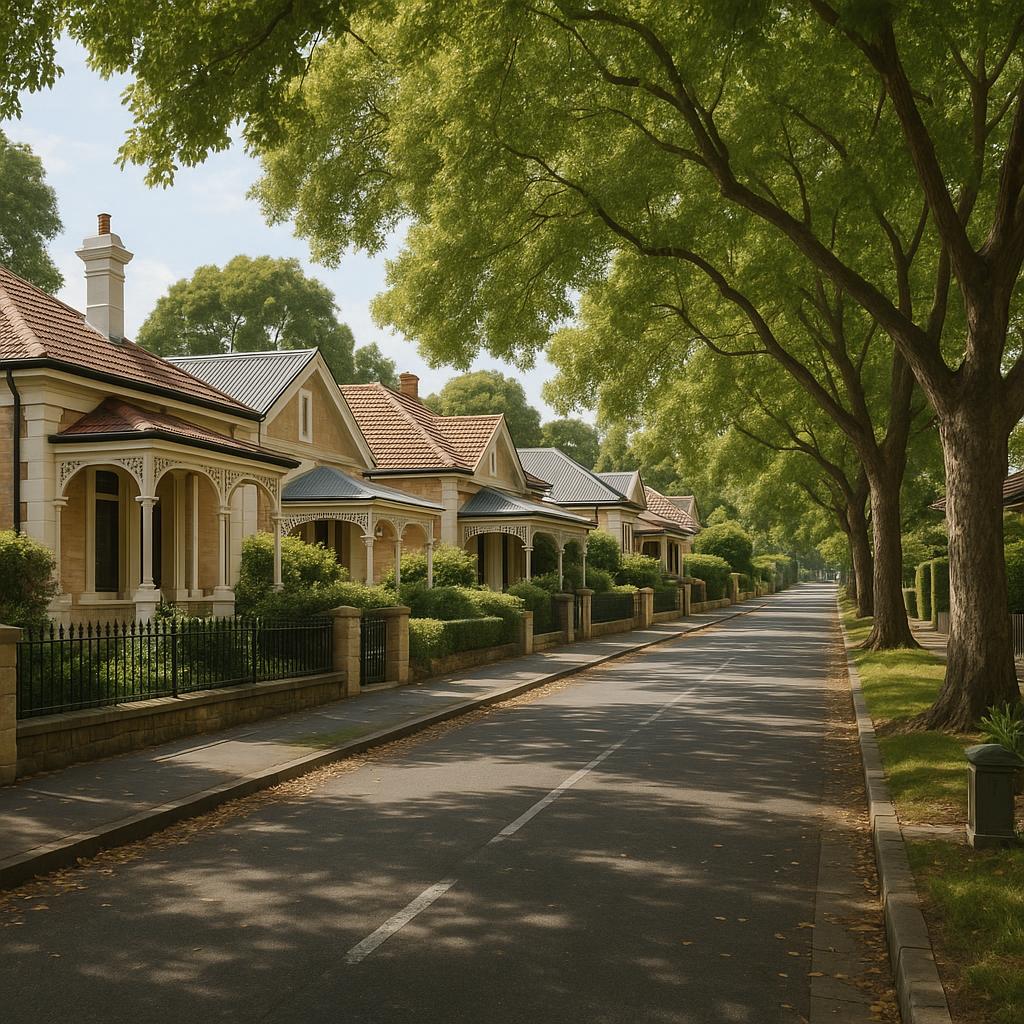
Hyde Park is a tightly held, premium inner-southern Adelaide suburb that suits buyers who value character, convenience, and long-term owner-occupier appeal. It generally rewards people who want a lifestyle-first location rather than maximum land size or a bargain entry point. For investors, the main attraction is scarcity and broad tenant appeal, while homeowners are usually drawn to the walkable amenity and established streetscape. If you need newer stock, larger blocks, or lower entry costs, nearby suburbs may be a better fit.
Key Takeaways
- Hyde Park is an established inner-southern suburb with a premium, low-turnover feel and strong lifestyle appeal.
- Demand is usually driven by convenience, character housing, and the ability to live close to Adelaide’s core amenity.
- Well-presented homes tend to attract the most buyer attention, especially when the layout and parking are practical.
- For investors, the case is often long-term desirability and tenant quality rather than chasing high cash flow alone.
- Buyers should compare Hyde Park with nearby suburbs to test whether location, space, and renovation potential are aligned.
Pros & Cons
Pros
- Premium inner-southern location with enduring lifestyle appeal
- Character housing and established streetscapes add buyer depth
- venient access to shops, dining, services, and the CBD fringe
Cons
- Entry prices are typically higher than in many Adelaide suburbs
- Older homes can bring maintenance, renovation, or heritage-sensitive costs
- Parking, block size, and access can be less practical than newer areas
Market Overview
Hyde Park sits in Adelaide’s inner south and is widely regarded as an upmarket, established suburb with a polished residential feel. The area’s market personality is shaped by low supply, careful buyer scrutiny, and a clear preference for quality homes that fit the streetscape. It is the kind of suburb where location and presentation often matter more than chasing raw land size.
In practical terms, Hyde Park tends to attract buyers who are shopping for long-term liveability rather than short-term gain. Homes that are renovated well, easy to maintain, and sensibly laid out usually stand out. Original dwellings can still be attractive, but only if the bones, position, and future-use potential are genuinely strong.
A useful way to think about Hyde Park is as a lifestyle-led market with scarcity built into it. That means even smaller homes can perform well when they offer the right combination of character, access, and everyday convenience. Buyers should assess each property on street context, usability, and renovation quality, not just facade appeal.
Buyer Demand
Hyde Park typically attracts a mix of owner-occupiers, downsizers, families, and investors who want exposure to a quality inner-southern location. The suburb’s appeal is broad because it offers a strong blend of amenity and residential calm. That breadth of interest can help well-located properties remain competitive across different market conditions.
Demand tends to be strongest for homes that are easy to live in from day one: renovated character houses, tasteful townhouses, and compact dwellings with good light, parking, and outdoor usability. A common buying pattern is that two very different buyers can compete for the same property because both are buying the lifestyle outcome, not just the dwelling itself.
Rental Market
For renters, Hyde Park offers convenience, prestige by association, and access to nearby amenity without the feel of a dense urban pocket. That can make it appealing to professionals, couples, small households, and tenants between homes who value location and presentation. Investors should think about tenant profile first, then property type.
Lower-maintenance stock is usually the easiest to lease, especially when it has secure parking, workable storage, and a sensible floorplan. Charm can help, but charm alone is not enough if the property is awkward to furnish, maintain, or access. In premium suburbs, the rental story is often about tenant retention and presentation rather than chasing maximum yield.
Lifestyle, Transport & Schools
Hyde Park offers a refined inner-suburban lifestyle with easy access to retail, dining, and everyday services. That convenience is a major reason the suburb holds appeal for buyers who want to reduce travel time and live closer to the city fringe. The suburb suits people who value walkable or short-trip living over large suburban lots.
Transport connectivity is another strength, particularly for commuters who want practical access to the CBD and surrounding inner areas. Even where residents still rely on a car, the suburb’s position reduces the friction of daily errands and weekday travel. That makes Hyde Park attractive to people who want a more efficient routine rather than a longer commute for more space.
School access matters here mainly because it supports family demand and can influence purchase decisions over the long term. Buyers should verify catchments and enrolment conditions directly, because school zoning can change and access does not guarantee priority. In suburbs like Hyde Park, family buyers often balance school convenience against block size and renovation trade-offs.
Hyde Park (SA) Suburb Profile
Official 2021 Census snapshot for the ABS Suburbs and Localities geography.
Age profile
Housing tenure
Occupied private dwellings by tenure type.
Salary & income profile
Median total income reported in the Census.
*Annual figures are weekly median × 52 estimates, not separate ABS annual medians.
Education & qualifications
Highest educational attainment, people aged 15+.
Employment status
People aged 15+ who reported being in the labour force.
Industry of employment
Top responses among employed people aged 15 years and over.
Occupation profile
Broad occupation groups among employed residents, including managers.
Property Type Guide
- Character homes: Best for buyers who value charm, streetscape appeal, and long-term desirability; inspect for renovation quality and maintenance needs.
- Townhouses and courtyard homes: Often suit busy professionals and downsizers; check privacy, storage, orientation, and body corporate arrangements if relevant.
- Units and smaller dwellings: Can offer a more accessible entry into the suburb; focus on layout, parking, and noise exposure.
- Renovated stock: Usually commands stronger interest because it reduces immediate work and feels easier to move into or lease.
- Original stock: May offer value-add potential, but only if the layout, structure, and location justify the upgrade cost.
Risks & Watch-Outs
- Do not pay a premium for styling alone; test whether the property’s underlying layout and condition actually support the asking price.
- Older homes may need more maintenance than first impressions suggest, especially if upgrades have been piecemeal rather than comprehensive.
- Parking, access, and storage can become daily frustrations if the dwelling is beautiful but not practical.
- Noise, traffic, or proximity to busier corridors can matter more than buyers expect in tightly valued inner suburbs.
- For investors, prestige location does not automatically mean strong cash flow, so budget conservatively and stress-test holding costs.
Nearby Suburbs to Compare
- Unley
- Goodwood
- Parkside
- Malvern
- Westbourne Park
FAQ
Is Hyde Park SA a good suburb for first-home buyers?
It can be, but usually only for buyers who prioritise location and lifestyle over space and lower entry cost. First-home buyers should focus on layout, maintenance, and long-term affordability, because premium suburbs can feel expensive even when the dwelling is modest.
Is Hyde Park better for owner-occupiers or investors?
It is often stronger for owner-occupiers, because the suburb’s appeal is heavily lifestyle-led. Investors can still do well, but the best strategy is usually to buy a quality, low-maintenance asset that appeals to a broad tenant base rather than relying on rental return alone.
What types of properties are most common in Hyde Park?
You are likely to see a mix of character homes, renovated residences, townhouses, courtyard homes, and smaller dwellings. The key difference is not just style, but how practical each property is for modern living, parking, and maintenance over time.
What should buyers inspect before purchasing in Hyde Park?
Check the floorplan, parking, storage, light, privacy, renovation quality, and overall maintenance history. In older or character homes, it is also sensible to review whether any upgrades were done properly and whether there are constraints linked to the building or site.
How does Hyde Park compare with nearby inner-southern suburbs?
Hyde Park generally sits in the premium, lifestyle-focused end of the market, but nearby suburbs may offer different trade-offs such as more renovation upside, different price entry points, or varying streetscape character. Compare liveability, dwelling type, and long-term fit rather than suburb name alone.
Conclusion
Hyde Park is best understood as a scarcity-driven, lifestyle-first suburb where presentation, practicality, and location all influence value. It suits buyers who want a polished inner-southern address and are comfortable paying for convenience and character. For investors and homeowners alike, the smartest move is to compare property type, street context, and maintenance risk before making an offer.
Sources & How to Verify
- Check current sold prices and active listings on Domain so you can compare real examples rather than relying on general suburb commentary.
- Review current rental listings on realestate.com.au to see what kind of rental stock is available and how it is being presented.
- Use ABS data to confirm broad demographic and household trends, but avoid treating older census figures as current market evidence.
- Check zoning, overlays, and planning controls through SA Government housing and property resources before assuming renovation or extension options.
- Verify school zones and enrolment details via South Australian Government school finder, because boundaries and eligibility can change.
- Confirm local service access and civic information on the City of Unley website and relevant council pages, especially for footpath, parking, and development matters.
- Cross-check nearby suburb comparisons with recent sales evidence from the same property type, because a townhouse comparison is not the same as a renovated character home comparison.
- Ask a licensed conveyancer, building inspector, or agent for property-specific advice so you can separate marketing language from the actual risks of the dwelling.