Quick Answer
Dulwich, SA is a tightly held inner-eastern Adelaide suburb that usually appeals to buyers and investors who value convenience, character, and a premium residential feel. It tends to suit owner-occupiers seeking a refined lifestyle location, as well as investors targeting dependable demand from professionals, downsizers, and city-adjacent renters. The key trade-off is that quality and location often command premium pricing, while older homes can bring higher maintenance and renovation obligations.
Key Takeaways
- Dulwich is an established inner suburb where location scarcity and lifestyle appeal tend to support long-term buyer interest.
- It suits owner-occupiers who want a calm, leafy setting with straightforward access to Adelaide’s core amenities and employment areas.
- Investors may value broad tenant appeal, but should be realistic about maintenance, renovation quality, and ongoing holding costs.
- Property choice matters: character homes, renovated dwellings, and smaller low-maintenance options each attract different buyer pools.
- Comparing Dulwich with nearby eastern suburbs helps buyers separate suburb prestige from the practical fit of the actual property.
Pros & Cons
Pros
- Close-in location with strong everyday convenience.
- Established streets and character-driven appeal.
- Good fit for lifestyle buyers and quality tenants.
Cons
- Premium entry conditions can narrow affordability.
- Older homes may need ongoing maintenance.
- Limited supply can make the market competitive.
Market Overview
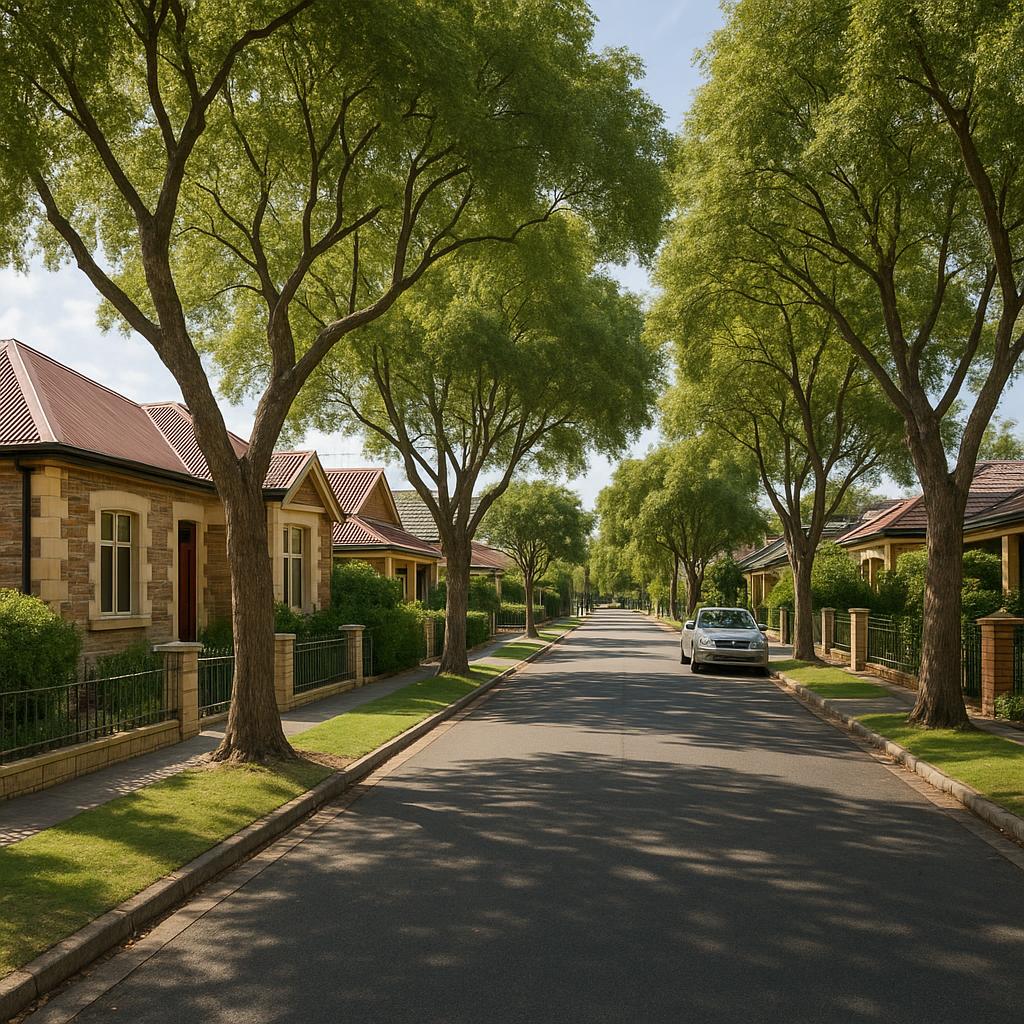
Dulwich sits in Adelaide’s inner east and is best thought of as a small, tightly held residential pocket rather than a high-turnover market. It appeals because of its proximity to the CBD, its mature streetscape, and the sense of permanence that comes with established housing and long-term owner-occupier interest.
That combination often means buyers are paying for more than a floorplan. They are paying for convenience, local amenity, and the resilience that can come from a sought-after address. In practical terms, the best properties tend to attract attention quickly, especially when presentation, land appeal, and renovation quality align.
For buyers, the main lesson is to assess Dulwich street by street and dwelling by dwelling. A good address does not remove the need for due diligence, particularly where older homes, hidden repair items, or incomplete upgrades are involved.
Buyer Demand
Demand in Dulwich is usually driven by buyers who want an inner-suburb lifestyle without being in the middle of the CBD itself. That includes professionals, downsizers, and families who are willing to trade space or budget flexibility for location and ease of living.
From an investment angle, the strength of demand comes from the suburb’s broad appeal rather than from fast turnover. Properties that are easy to maintain, easy to park, and easy to present well generally have the widest buyer and tenant pool. The suburb’s reputation can help resale confidence, but it also means buyers need to stay disciplined and avoid overpaying for emotion alone.
Rental Market
Dulwich can work well for tenants who want a polished, close-in residential environment with access to the city and nearby amenities. In practice, that usually means professionals, couples, and smaller households who value convenience, presentation, and a quieter streetscape.
For investors, the most important question is whether the property matches tenant expectations for the area. Renovated homes and well-kept low-maintenance dwellings generally have stronger practical appeal than homes that look good in photos but create maintenance friction. As always, current advertised rents and vacancy signals should be checked against live listings before making a purchase decision.
Lifestyle, Transport & Schools
Dulwich offers a calm, established lifestyle with a refined residential feel. It suits people who want leafy streets, a more settled neighbourhood atmosphere, and access to city-fringe convenience without the busier pace of denser inner areas.
Transport convenience is one of the suburb’s key selling points, but buyers should still verify their actual commute, parking reality, and nearby public transport options on a property-by-property basis. In inner suburbs, small location differences can change daily convenience more than buyers expect.
Schools are often part of the decision-making process for family buyers, but catchments and enrolment rules should always be confirmed directly through official channels. Families should also assess parks, walkability, and how the suburb supports daily routines, not just weekend lifestyle.
Dulwich Suburb Profile
Official 2021 Census snapshot for the ABS Suburbs and Localities geography.
Age profile
Housing tenure
Occupied private dwellings by tenure type.
Salary & income profile
Median total income reported in the Census.
*Annual figures are weekly median × 52 estimates, not separate ABS annual medians.
Education & qualifications
Highest educational attainment, people aged 15+.
Employment status
People aged 15+ who reported being in the labour force.
Industry of employment
Top responses among employed people aged 15 years and over.
Occupation profile
Broad occupation groups among employed residents, including managers.
Property Type Guide
- Character homes: attractive to buyers who want charm, street presence, and long-term emotional appeal; inspect carefully for ageing services and repair scope.
- Renovated dwellings: suit buyers wanting move-in convenience and wider resale appeal; check workmanship, approvals, and whether upgrades were done properly.
- Smaller homes or units: can suit downsizers, professionals, and investors seeking lower upkeep; review parking, storage, and any shared-property obligations.
- Land-weighted homes: appeal to buyers focused on future flexibility and holding quality; compare liveability today with the property’s longer-term potential.
Risks & Watch-Outs
- Premium-location bias can cause buyers to ignore costly defects, so always separate suburb appeal from the condition of the dwelling.
- Older homes may hide repair issues in roofs, plumbing, drainage, wiring, or past alterations, which can materially affect holding costs.
- Renovation quality matters more than cosmetic finish, so check for approvals, workmanship, and any signs of patchwork upgrades.
- Parking, access, and block layout can affect everyday usability and tenant appeal, especially where streets are narrow or on-site space is limited.
- Noise, traffic, and amenity should be tested at different times of day because inner-suburb convenience can come with small but important trade-offs.
Nearby Suburbs to Compare
- Goodwood SA Property Market Guide: Buyers & Investors
- Wayville SA Property Market Guide: Buyers & Investors
- Hyde Park SA Property Market Guide: Buyers & Investors
- Rose Park SA Property Market Guide: Buyers & Investors
- Unley Park SA Property Market Guide: Buyers & Investors
FAQ
Is Dulwich a good suburb for buyers?
Dulwich is often a strong option for buyers who want an inner-east Adelaide address with lifestyle appeal and daily convenience. It tends to suit people who value a quiet, established setting over newer estates or high-density living.
Is Dulwich good for investors?
It can be, especially for investors who want stable demand from quality tenants and are comfortable with a premium entry point. The key is to prioritise easy-care properties, sound building condition, and broad rental appeal rather than relying on prestige alone.
What type of property is best in Dulwich?
The best choice depends on your goal. Character homes may suit lifestyle buyers, while renovated or lower-maintenance dwellings can be easier for investors and downsizers. In all cases, condition and usability matter as much as location.
Is Dulwich family-friendly?
Often yes, particularly for families who want a calm residential area with convenient access to the city and nearby amenities. Families should still verify school catchments, commute patterns, and whether the home layout works for their stage of life.
What should buyers inspect most carefully?
Focus on building condition, renovation quality, access, parking, and any signs of deferred maintenance. In a premium suburb, the biggest mistake is assuming a desirable address automatically means a low-risk property.
Conclusion
Dulwich is best viewed as a location-led suburb where convenience, character, and long-term livability do the heavy lifting. Buyers should focus on property quality, maintenance risk, and the real-world suitability of each home rather than relying on suburb reputation alone. If you want a refined inner-east Adelaide base, it deserves serious consideration.
Sources & how to verify
- Check current suburb listings on Domain to see what property types are actually available and how presentation compares with similar nearby homes.
- Use realestate.com.au to review recent asking prices, sold-history context, and the mix of dwellings being marketed in and around Dulwich.
- Review zoning, overlays, and planning controls through PlanSA so you understand whether heritage, redevelopment, or renovation constraints may apply.
- Confirm local government information on the City of Burnside website if you want to understand local services, planning context, and community-facing updates.
- Check school zones and enrolment guidance via the South Australian Department for Education before relying on informal advice about catchments or intake areas.
- Verify commute and public transport options using Adelaide Metro rather than assuming a route or service frequency will suit your weekday routine.
- Use the Australian Bureau of Statistics for broader demographic context, but treat it as background only because it will not replace live property and rental research.
- Compare live tenant demand using active rental listings and inspection activity, then cross-check whether the same property type is being leased quickly or sitting on market longer.