Quick Answer
Millswood is a tightly held inner-southern Adelaide suburb that generally appeals to buyers who value established streets, character homes, and convenience close to the CBD. It is usually best suited to owner-occupiers seeking lifestyle and long-term stability, and to investors who prioritise durable tenant demand over chasing high cash flow. The suburb’s appeal comes from land scarcity, mature housing, and a premium-feel location, so the smartest purchase is usually the one that balances location, condition, and practical liveability.
Key Takeaways
- Millswood is typically regarded as an established inner-south suburb where location quality and streetscape influence buyer interest.
- Demand is usually driven by owner-occupiers, upsizers, downsizers, and investors seeking long-term hold potential.
- Character homes can be highly desirable, but they often bring maintenance, renovation, and efficiency trade-offs.
- For investors, tenant appeal depends on layout, presentation, parking, and maintenance rather than postcode prestige alone.
- Use current sales, rental listings, and school-zone checks to confirm whether a specific property fits your strategy.
Pros & Cons
Pros
- Strong inner-south lifestyle appeal with an established, settled residential feel.
- Close-in location that can suit commuters, downsizers, and long-term owner-occupiers.
- Character housing and mature streetscapes can support enduring buyer interest.
Cons
- Older homes may require higher ongoing maintenance and more careful due diligence.
- Layout, parking, or efficiency compromises can limit comfort and resale flexibility.
- Competition can be stronger for well-presented homes, reducing negotiation room.
Market Overview
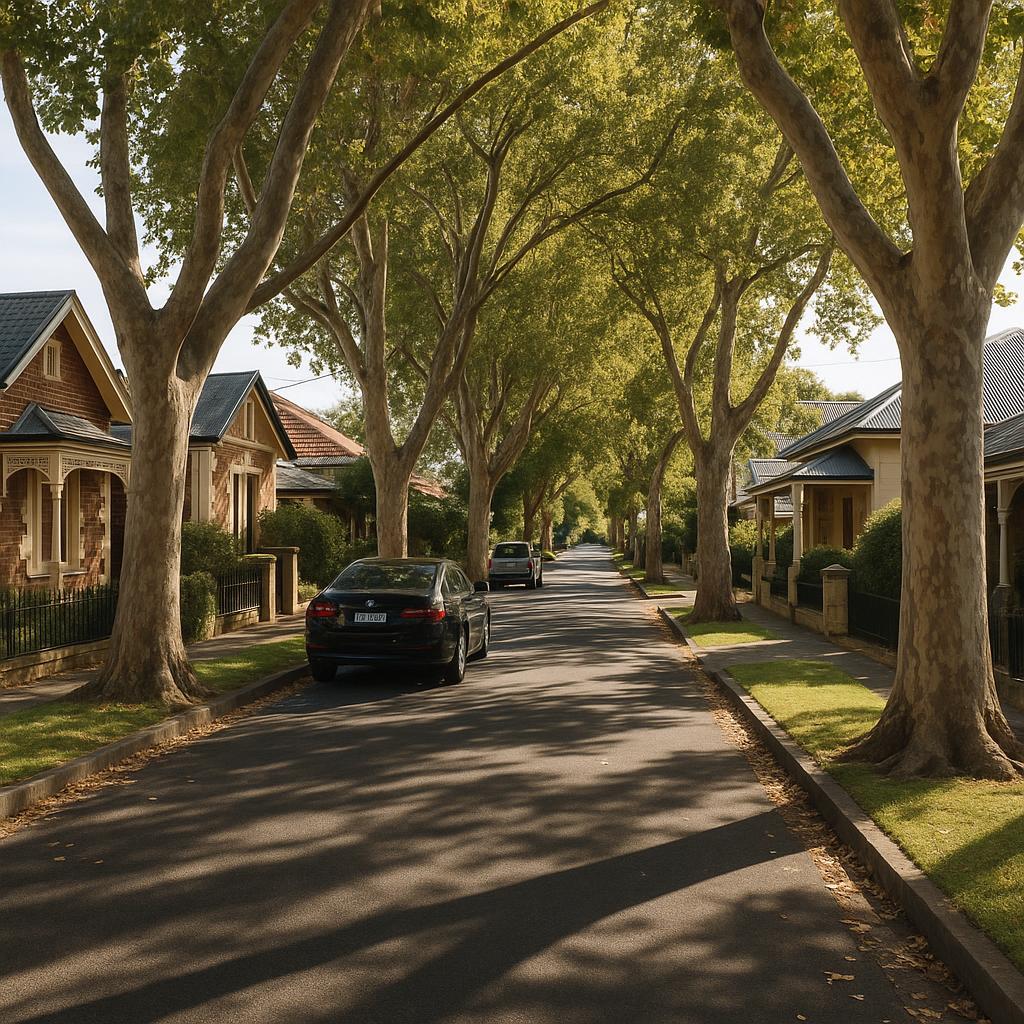
Millswood sits in Adelaide’s inner south and is often viewed as a quality established suburb rather than a speculative growth pocket. The market tends to be shaped by scarcity of well-located homes, mature streets, and a buyer base that is prepared to pay for convenience, character, and long-term liveability.
The suburb usually attracts buyers who want more than a postcode label. In practice, the best-performing properties are often those with solid land fundamentals, usable floorplans, and enough renovation quality to reduce near-term capital outlay. In this kind of suburb, the building matters, but the land and street setting often matter more.
For buyers, that means Millswood should be assessed property by property. A modest home in a strong street can be a better long-term choice than a prettier house with awkward flow, weak parking, or expensive hidden issues. Verify recent comparable sales and inspect the immediate streetscape before paying a premium.
Buyer Demand
Buyer demand in Millswood is usually broad rather than niche. Owner-occupiers are often drawn to the character, locality, and quieter residential atmosphere, while investors may see value in the suburb’s ability to attract quality tenants who want a well-positioned home.
Competition can be strongest for updated homes that reduce work for the purchaser. That is especially relevant in inner-suburban markets: buyers are often balancing emotion, convenience, and future costs at the same time. If you are considering a purchase, compare the amount of work required against the likely resale audience, not just the current appeal.
Rental Market
Millswood can appeal to renters who want inner-south convenience without living in a dense apartment pocket. Professionals, couples, small families, and longer-term tenants may all be interested if the property is well presented and easy to maintain.
For investors, the practical question is whether the home is genuinely rent-ready. In older suburbs, rentability depends on day-to-day comfort: heating and cooling, storage, parking, bathroom function, and low-friction access all matter. A tidy, functional home usually competes better than a charming but awkward one.
Lifestyle, Transport & Schools
Millswood’s lifestyle appeal comes from its established feel, mature streets, and convenient access to Adelaide’s inner-south amenity. It suits buyers who prefer a neighbourhood with character and stability rather than a high-density or newer-estate environment.
Transport convenience is another reason buyers look here. Good access to city-bound travel can widen both the buyer and tenant pool, especially for commuters who value shorter trips and predictable daily movement. For many households, this convenience is part of the premium they are willing to pay.
Schools and catchments can be a major factor for families, but they should always be verified directly before buying. School zones can influence both owner-occupier demand and rental interest, yet assumptions are risky. Check current catchment maps and compare the actual school-run practicality, not just the suburb reputation.
Millswood Suburb Profile
Official 2021 Census snapshot for the ABS Suburbs and Localities geography.
Age profile
Housing tenure
Occupied private dwellings by tenure type.
Salary & income profile
Median total income reported in the Census.
*Annual figures are weekly median × 52 estimates, not separate ABS annual medians.
Education & qualifications
Highest educational attainment, people aged 15+.
Employment status
People aged 15+ who reported being in the labour force.
Industry of employment
Top responses among employed people aged 15 years and over.
Occupation profile
Broad occupation groups among employed residents, including managers.
Property Type Guide
- Character homes: Strong appeal for buyers who value charm and period streetscapes, but inspect carefully for moisture, wiring, insulation, and renovation scope.
- Updated family homes: Often attractive because they reduce immediate work and can suit both owner-occupiers and tenants.
- Townhouses or low-maintenance dwellings: Can suit busy buyers and investors, provided privacy, outdoor space, and any shared-maintenance obligations are acceptable.
- Renovation opportunities: Best when the home is structurally sound and the upgrade path is realistic for the suburb’s buyer pool.
Risks & Watch-Outs
- Older-home maintenance can become expensive, so budget for hidden repairs rather than relying on cosmetic presentation.
- Charming façades can mask poor layouts or costly defects, especially if inspections are rushed.
- Some homes may have limited value-add potential, which matters if your strategy depends on future uplift.
- Parking, access, and storage can be more constrained in established suburbs, so test real-life usability.
- Do not assume suburb quality removes risk; the right property still depends on condition, layout, and resale depth.
Nearby Suburbs to Compare
Comparing nearby suburbs can help you judge whether Millswood is the right fit or simply one of several strong inner-south options. Useful comparisons include Goodwood, Clarence Park, Kings Park, Unley Park, and Hyde Park.
FAQ
Is Millswood a good suburb for families?
It can be, particularly for families who value an established feel, convenient access to the inner south, and a quieter residential environment. The best fit usually depends on school access, home layout, yard space, and day-to-day commute practicality.
Is Millswood a good suburb for investors?
Potentially yes, if you focus on property selection rather than simply the postcode. Investor success is more likely when the dwelling offers broad tenant appeal, manageable upkeep, and practical features such as parking, good presentation, and functional living spaces.
What type of property is usually best in Millswood?
Well-kept homes with strong street presence and practical layouts tend to be the most broadly appealing. Character is valuable, but the best purchase is usually the one that balances charm with comfort, maintenance control, and future resale flexibility.
Should I buy a renovated home or do the work myself?
That depends on budget, time, and risk tolerance. A renovated home reduces uncertainty and immediate effort, while a renovation can create value if the property is structurally sound and the upgrade scope is realistic for the local market.
What should I verify before buying in Millswood?
Check comparable sales, current rental listings, school catchments, council and zoning constraints, and the property’s condition. In older suburbs, a building and pest inspection is essential because hidden maintenance issues can materially change the real cost of ownership.
Conclusion
Millswood is best seen as a quality, established inner-south suburb where location, character, and liveability carry real weight. It often suits buyers who want a long-term hold rather than a quick trade. If you buy here, focus on the property’s fundamentals, compare alternatives carefully, and verify current market evidence before committing.
Sources & How to Verify
- Check recent comparable sales on Domain so you can judge whether the asking price matches nearby properties with similar land, condition, and location.
- Review current rentals on realestate.com.au to see whether the property type you want is actually renting well in the current market.
- Use SA Government housing information to understand rental obligations, disclosure requirements, and tenant/landlord responsibilities.
- Confirm zoning and planning controls through City of Adelaide if you are considering extensions, alterations, or heritage-sensitive work.
- Check school zones and enrolment guidance with the SA Department for Education rather than relying on agent statements or hearsay.
- Use ABS for broad demographic context, but remember it does not replace property-specific inspection and current market evidence.
- Inspect the property in person and commission a building and pest report, because older homes can hide defects that are not visible in listing photos.
- Cross-check the immediate streetscape at different times of day so you understand parking, noise, and traffic patterns before you make an offer.