Quick Answer
Torrensville is a tightly held inner-west Adelaide suburb that suits buyers who want convenience, lifestyle access, and a mix of older homes, updated dwellings, and low-rise infill stock. It is generally attractive to owner-occupiers, downsizers, and investors because the location is practical rather than speculative. The strongest results usually come from choosing the right street and property type, then confirming condition, parking, and renovation potential before paying for the suburb’s inner-ring appeal.
Key Takeaways
- Torrensville rewards buyers who prioritise location, everyday convenience, and long-term usability over flashy but weakly positioned stock.
- Investors should focus on tenant-friendly layouts, low-maintenance finishes, and properties with easy access to the CBD and key amenities.
- Older homes can offer upside, but the value case depends on renovation quality, maintenance risk, and realistic end values.
- Street-by-street variation matters here, so exact address analysis is more important than suburb averages or broad assumptions.
- The suburb suits buyers seeking an inner-west lifestyle without moving into denser apartment-only precincts.
Pros & Cons
Pros
- Inner-west location with strong access to Adelaide CBD and nearby employment areas.
- Broad appeal to both owner-occupiers and tenants, supporting a deeper demand pool.
- Mix of housing types, from character homes to newer infill, widens strategy options.
Cons
- Micro-location differences can materially change liveability and resale appeal.
- Older homes may need genuine capital expenditure, not just cosmetic updates.
- Well-presented properties can attract stronger competition, especially in desirable pockets.
Market Overview
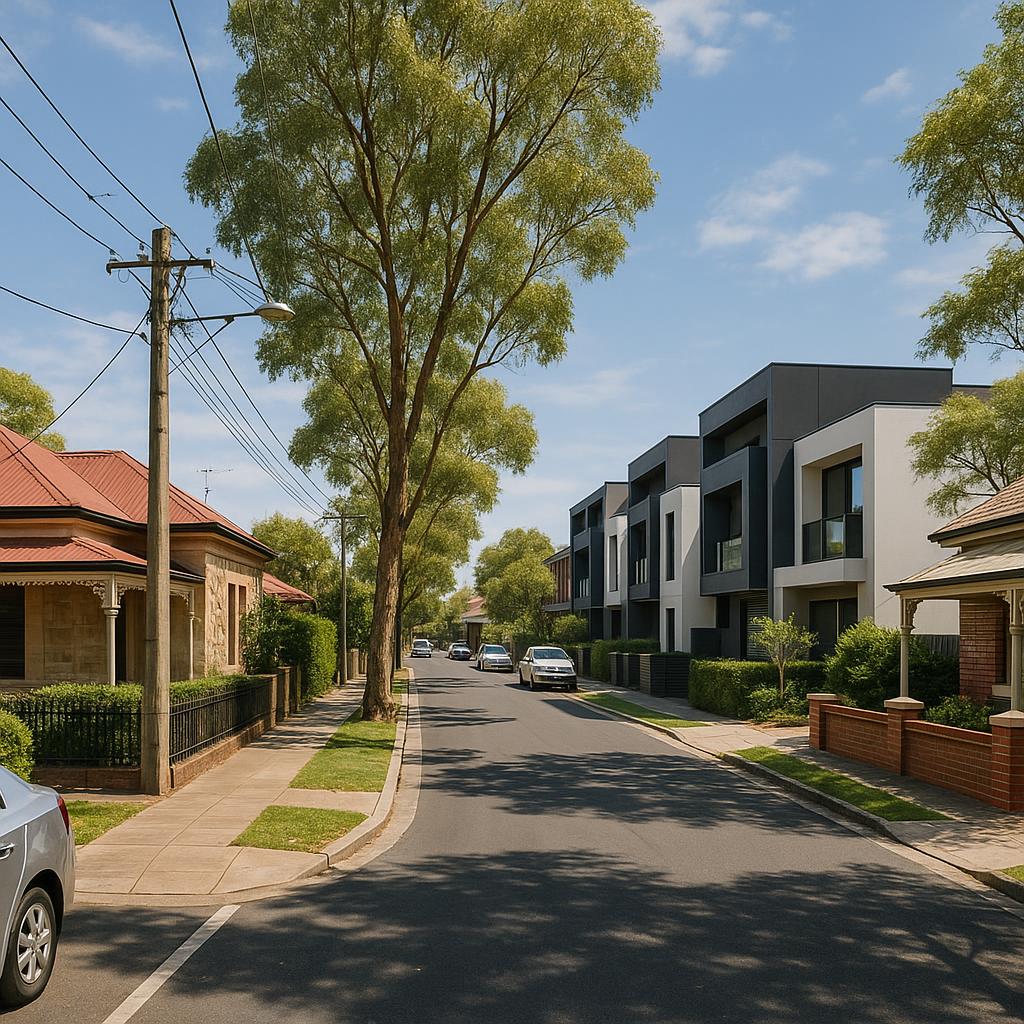
Torrensville sits in Adelaide’s inner-west, which gives it a practical advantage for people who want close-in access without being in the city core. The suburb’s housing mix is varied, with older character homes, post-war dwellings, renovated stock, and pockets of newer infill development.
That diversity creates opportunity, but it also means buyers need to assess each property on its own merits. In Torrensville, two homes a short walk apart can appeal to very different buyer groups depending on street exposure, condition, parking, and how well the floorplan works for modern living.
As an investment and homeowner suburb, Torrensville tends to perform best when the property fits a clear use case: liveability for owner-occupiers, or low-friction tenancy appeal for investors. For current value checks, compare recent sales and rentals of similar nearby stock rather than relying on suburb-level averages.
Buyer Demand
Buyer demand is usually driven by convenience, lifestyle access, and the suburb’s established feel. Torrensville often appeals to owner-occupiers, families, professionals, downsizers, and investors who want an inner-west address with broad usability.
What buyers tend to value most is practical: good access to the CBD, functional layouts, off-street parking where available, and homes that are ready to occupy or easy to improve. Properties that look good online but lack storage, light, parking, or flow can be harder to justify at premium prices.
Rental Market
For investors, Torrensville’s rental appeal comes from its location and tenant mix. It can suit young professionals, small households, and longer-term renters who want convenience, shorter commutes, and a suburb with everyday amenity rather than purely prestige.
In practical terms, the most competitive rentals are usually the ones that feel easy to live in: good presentation, efficient layouts, secure parking if available, and solid heating/cooling comfort. Before purchasing, check current rental listings for comparable homes and assess whether the expected tenant profile suits the property’s size, condition, and upkeep.
Lifestyle, Transport & Schools
Torrensville offers a straightforward lifestyle for people who want access to shops, food, services, and key routes into and out of the city. It is the sort of suburb where daily convenience often matters more than grand streetscapes.
Transport connectivity is one of the suburb’s practical strengths. Buyers should still inspect the exact street because homes closer to busier corridors can feel noticeably noisier or more traffic-exposed than properties tucked into quieter pockets. That difference often changes how a home feels day to day.
Families typically assess school access, childcare, parks, and weekly travel patterns together rather than looking at one factor in isolation. Check zoning and enrolment rules for the exact address, because school eligibility can vary and should never be assumed from the suburb name alone.
Torrensville Suburb Profile
Official 2021 Census snapshot for the ABS Suburbs and Localities geography.
Age profile
Housing tenure
Occupied private dwellings by tenure type.
Salary & income profile
Median total income reported in the Census.
*Annual figures are weekly median × 52 estimates, not separate ABS annual medians.
Education & qualifications
Highest educational attainment, people aged 15+.
Employment status
People aged 15+ who reported being in the labour force.
Industry of employment
Top responses among employed people aged 15 years and over.
Occupation profile
Broad occupation groups among employed residents, including managers.
Property Type Guide
- Character homes: Strong appeal for owner-occupiers and renovators, but condition and maintenance costs need careful scrutiny.
- Units and apartments: Lower-maintenance options that can work well for first-home buyers, downsizers, and investors seeking simpler upkeep.
- Townhouses and newer infill homes: Attractive to busy households wanting modern layouts, but design quality and outdoor space matter.
- Older dwellings with value-add potential: Can be compelling if the scope, budget, and likely end value are realistic.
Risks & Watch-Outs
- Micro-location risk: Exposure to traffic, noise, and surrounding streetscape can materially change appeal.
- Renovation risk: Older homes may hide higher costs in wiring, plumbing, moisture, insulation, or roof work.
- Overpaying for presentation: Cosmetic styling can mask weak floorplans or poor long-term functionality.
- Rental strategy mismatch: A property may look good but still underperform if it lacks parking, storage, or comfort.
- Due diligence gaps: Always confirm zoning, easements, and building condition before treating a home as a safe buy.
Nearby Suburbs to Compare
FAQ
Is Torrensville good for first-home buyers?
It can be, if you value inner-west convenience and are prepared to compare property types carefully. First-home buyers should weigh character charm against maintenance, or choose a townhouse or unit if lower upkeep is more important than land or renovation upside.
Is Torrensville good for investors?
Yes, provided you choose a property that suits tenant demand rather than chasing style alone. Investors should focus on layout efficiency, presentation, parking, and access to the CBD, then verify rent levels with current listings before committing.
What types of homes are most common in Torrensville?
The suburb generally offers a mix of older character homes, post-war dwellings, updated residences, and some low-rise units or townhouse-style infill. The exact mix varies street by street, so property comparisons should be very local.
What should buyers check before purchasing in Torrensville?
Inspect the exact street, building condition, parking, and surrounding noise sources. Then compare recent sales of similar properties, review planning or zoning constraints, and confirm school zoning, rather than relying on broad suburb assumptions.
How does Torrensville compare with nearby suburbs?
Torrensville competes well on convenience and inner-west positioning, but nearby suburbs may offer different trade-offs in housing stock, streetscape, and renovation potential. Compare Torrensville with Mile End, Thebarton, Plympton, Hilton, and Woodville to see which best matches your strategy.
Conclusion
Torrensville is a practical inner-west Adelaide suburb with broad appeal for buyers and investors who value access, flexibility, and everyday livability. The best results usually come from careful property selection, not from assuming every address performs the same. If you compare street position, condition, and property type properly, Torrensville can be a sensible long-term choice.
Sources & How to Verify
- Check current sold prices and listing evidence on Domain before relying on any market estimate, because suburb commentary should always be tested against live comparable sales.
- Review current for-sale and rental competition on realestate.com.au so you can compare property type, presentation, parking, and likely tenant appeal.
- Use ABS to confirm broader demographic context if you want to understand household patterns, but avoid treating old census data as current market pricing evidence.
- Check planning and zoning information through SA Government planning and property resources to confirm what may affect extensions, rebuilds, or redevelopment potential.
- Review local area information on the City of West Torrens website for council services, community updates, and local planning context relevant to the exact street.
- Use South Australian government school finder or school websites to confirm zoning and enrolment eligibility for the specific address, not the suburb name.
- Arrange a building inspection and, where relevant, a pest inspection before buying an older home, because visual presentation can miss structural or moisture-related issues.
- Verify transport convenience and commute assumptions by checking actual travel times from the address, since a property near a major route can behave very differently from one on a quieter side street.