Quick Answer
Woodville is a practical western Adelaide suburb that suits buyers who want everyday convenience, decent transport access, and a housing mix that offers choice rather than flash. It can work well for first-home buyers, families, and investors who value steady tenant demand and a straightforward rental story. The best purchases are usually the ones that balance street quality, property condition, and location within the suburb, not just the suburb name itself.
Key Takeaways
- Woodville appeals to buyers who prioritise livability, access, and sensible value over prestige or lifestyle branding.
- Its housing stock is mixed, so street-by-street inspection matters more than relying on broad suburb assumptions.
- Investors can benefit from practical tenant demand, especially for low-maintenance homes near transport and services.
- Older homes may offer renovation upside, but condition and layout should be assessed carefully before buying.
- Nearby western suburbs are worth comparing because Woodville’s value proposition depends on micro-location and property type.
Pros & Cons
Pros
- venient location with access to shops, services, employment areas, and broader Adelaide connections.
- Broad appeal for owner-occupiers, downsizers, first-home buyers, and investors seeking a simple market thesis.
- Established housing stock creates options for renovation, repositioning, or lower-maintenance ownership.
Cons
- Older properties may need meaningful upgrades, ongoing maintenance, or compliance checks.
- Busy roads, parking pressure, and variable streetscape quality can affect comfort and resale appeal.
- Infill and redevelopment can change neighbourhood feel, privacy, and buyer expectations over time.
Market Overview
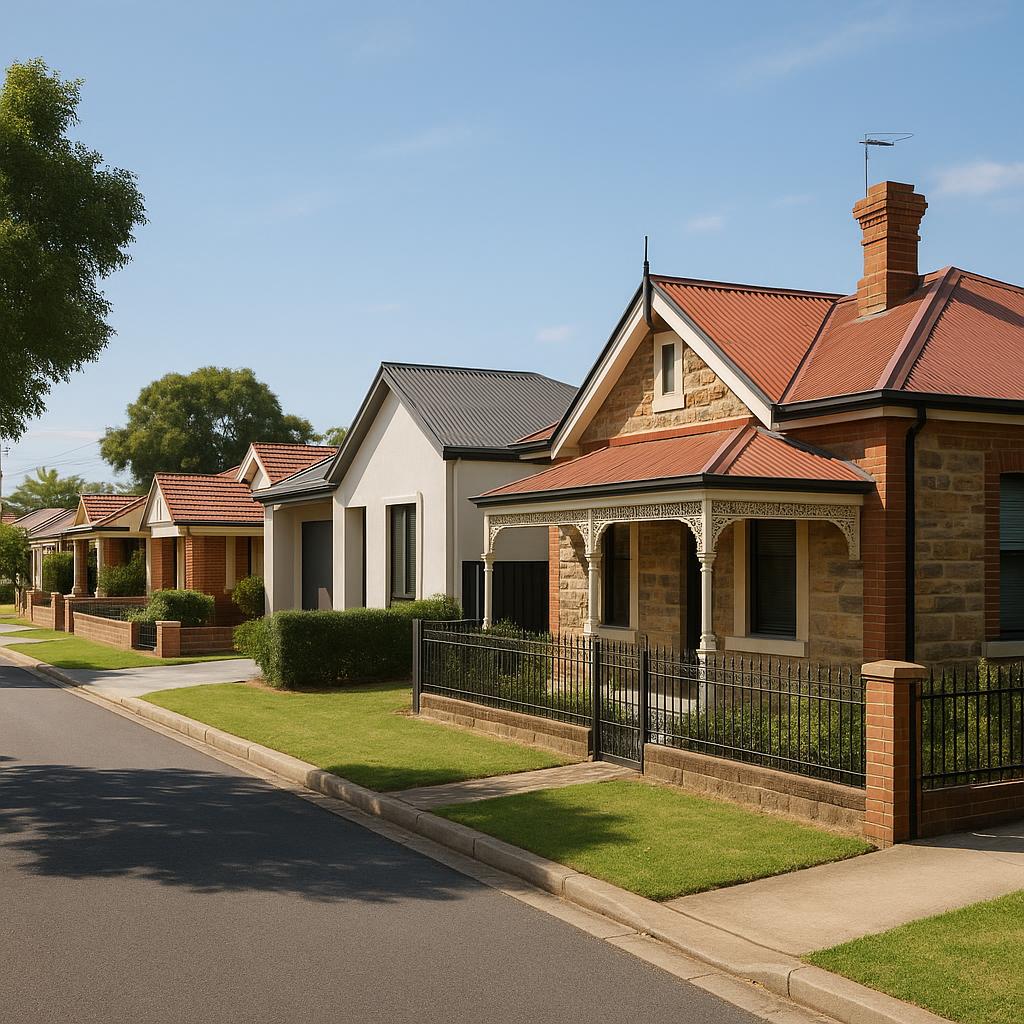
Woodville is an established western Adelaide suburb with a practical, connected feel. It sits in a part of the city that attracts buyers who want access and convenience without needing the premium attached to some inner suburbs. The housing mix is varied, so one pocket may feature older detached homes while another feels more compact or recently updated.
For buyers, that means the suburb is best approached as a collection of micro-markets rather than a single uniform area. For investors, it can offer a clear rental story if the property is well-located, functional, and easy to maintain. The strongest opportunities usually come from homes that suit everyday living and do not require expensive guesswork.
Woodville’s market appeal is less about headline hype and more about practical fundamentals: transport access, amenity, and workable housing options. That can make it appealing in steadier market phases, especially for buyers who are comparing established western suburbs and trying to buy location without overreaching on price or complexity.
Buyer Demand
Demand in Woodville is typically driven by people who need a sensible balance of access and value. First-home buyers often want a foothold in the western corridor, families look for convenience and services, and investors tend to focus on easy-to-lease homes with broad tenant appeal.
What matters most is property presentation and day-to-day practicality. Well-kept homes with usable layouts, sensible parking, and good access usually attract more interest than homes that are only “close to everything” on paper. Buyers should compare similar homes locally and check whether the property would appeal to both owner-occupiers and tenants.
Rental Market
Woodville generally suits tenants who value convenience, transport access, and low-friction living. That includes younger professionals, small families, and longer-term renters who want a suburb that makes commuting and daily errands easier.
For investors, the most leaseable properties are usually the ones that are simple, functional, and easy to maintain. A tidy home with good parking, a practical floorplan, and modern comfort can perform better than a larger property that feels dated or awkward. Aim for durability and broad appeal rather than over-improving beyond the local rental market.
Lifestyle, Transport & Schools
Woodville’s lifestyle is defined by convenience rather than prestige. Everyday access to shopping, services, and nearby employment areas helps support owner-occupier and renter interest. That practical feel is often a plus for people who want less time spent driving and more time spent living.
Transport is one of the suburb’s key decision points. Rail and bus access can widen the buyer and tenant pool, but readers should check real travel times at peak hour rather than relying on map distance. For many households, the value is not just getting into the CBD, but having broader access across Adelaide, including hospitals, jobs, and coastal routes.
School access also matters, particularly for families comparing western suburbs. Use official catchment and enrolment information, because boundaries and intake rules can change. If you are buying for family use, walk the area, inspect traffic at school times, and see whether the daily routine actually feels manageable.
Woodville (SA) Suburb Profile
Official 2021 Census snapshot for the ABS Suburbs and Localities geography.
Age profile
Housing tenure
Occupied private dwellings by tenure type.
Salary & income profile
Median total income reported in the Census.
*Annual figures are weekly median × 52 estimates, not separate ABS annual medians.
Education & qualifications
Highest educational attainment, people aged 15+.
Employment status
People aged 15+ who reported being in the labour force.
Industry of employment
Top responses among employed people aged 15 years and over.
Occupation profile
Broad occupation groups among employed residents, including managers.
Property Type Guide
- Older detached houses: Best for buyers chasing land, renovation upside, or a family-friendly footprint, but they often need maintenance and due diligence.
- Semi-detached and cottage-style homes: Can suit buyers wanting character and affordability, though layout efficiency and privacy vary widely.
- Townhouses and newer infill: Often appeal to investors and low-maintenance owner-occupiers, especially when parking and access are strong.
- Renovated homes: Useful for move-in buyers, but verify whether the upgrade was cosmetic only or also addressed structure and services.
Risks & Watch-Outs
- Street-by-street variation is significant, so a good suburb name does not guarantee a good buying outcome.
- Older homes may hide plumbing, electrical, roofing, or moisture issues that only become obvious after settlement.
- Main-road exposure, parking constraints, and traffic noise can weaken both liveability and resale flexibility.
- Infill can improve housing choice, but it may also reduce privacy or alter the character buyers expected.
- Renovated properties can look polished while still carrying awkward layouts, poor flow, or expensive maintenance needs.
Nearby Suburbs to Compare
- Woodville North SA Property Market Guide: Buyers & Investors
- Woodville Park SA Property Market Guide: Buyers & Investors
- Beverley SA Property Market Guide: Buyers & Investors
- St Clair SA Property Market Guide: Buyers & Investors
- Hindmarsh
FAQ
Is Woodville a good suburb for first-home buyers?
It can be, especially for buyers who want convenience and access without moving into a more expensive inner-west location. The key is choosing a property that is affordable to hold, not just affordable to buy, and making sure the street suits long-term living.
Is Woodville a good suburb for investors?
Yes, for investors who prefer a practical leasing story rather than a speculative one. Woodville can suit low-maintenance homes with broad tenant appeal, but the real test is whether the specific property is functional, well-located, and easy to maintain over time.
What should I check before buying in Woodville?
Check road noise, parking, access, property condition, and how the street feels at different times of day. Also confirm current zoning, any redevelopment pressure nearby, and whether the layout matches your intended use, whether that is living in, renting out, or both.
Are older homes or newer homes better in Woodville?
Neither is automatically better. Older homes may offer land and renovation upside, while newer homes often reduce maintenance and suit simpler ownership. The best choice depends on whether you prioritise capital improvement potential, ease of living, or rental efficiency.
How does Woodville compare with nearby western suburbs?
Woodville is worth comparing with nearby suburbs because small location differences can change the feel and the buyer pool. Some nearby areas may offer newer stock or a different streetscape, while Woodville may appeal more strongly to buyers wanting established convenience and flexibility.
Conclusion
Woodville is a solid, practical Adelaide suburb for buyers who value access, liveability, and a clear housing story. It is not the kind of market to judge by suburb name alone. The best outcomes usually come from careful street selection, a realistic property type choice, and disciplined due diligence on condition and amenity.
Sources & How to Verify
- Check current sold prices and active listings on Domain so you are comparing recent evidence rather than relying on broad suburb impressions.
- Review alternative listings and historical sale context on realestate.com.au to see whether the property type you want is widely available or tightly held.
- Use ABS data to understand long-term demographic trends, but avoid treating old census snapshots as current market conditions.
- Confirm zoning and planning controls through Planning and Land Use Services before assuming renovation, extension, or redevelopment potential.
- Check rail and bus information on Adelaide Metro and test peak-hour travel times rather than relying on straight-line distance.
- Verify school zones and enrolment rules through Education SA and the relevant school website, because catchments and procedures can change.
- Look up local council information on City of Charles Sturt to understand planning, permits, and any local infrastructure matters that may affect the property.
- Where possible, compare at least three similar homes in the same or nearby streets so you can judge whether a premium is justified by condition, land, and location.