Quick Answer
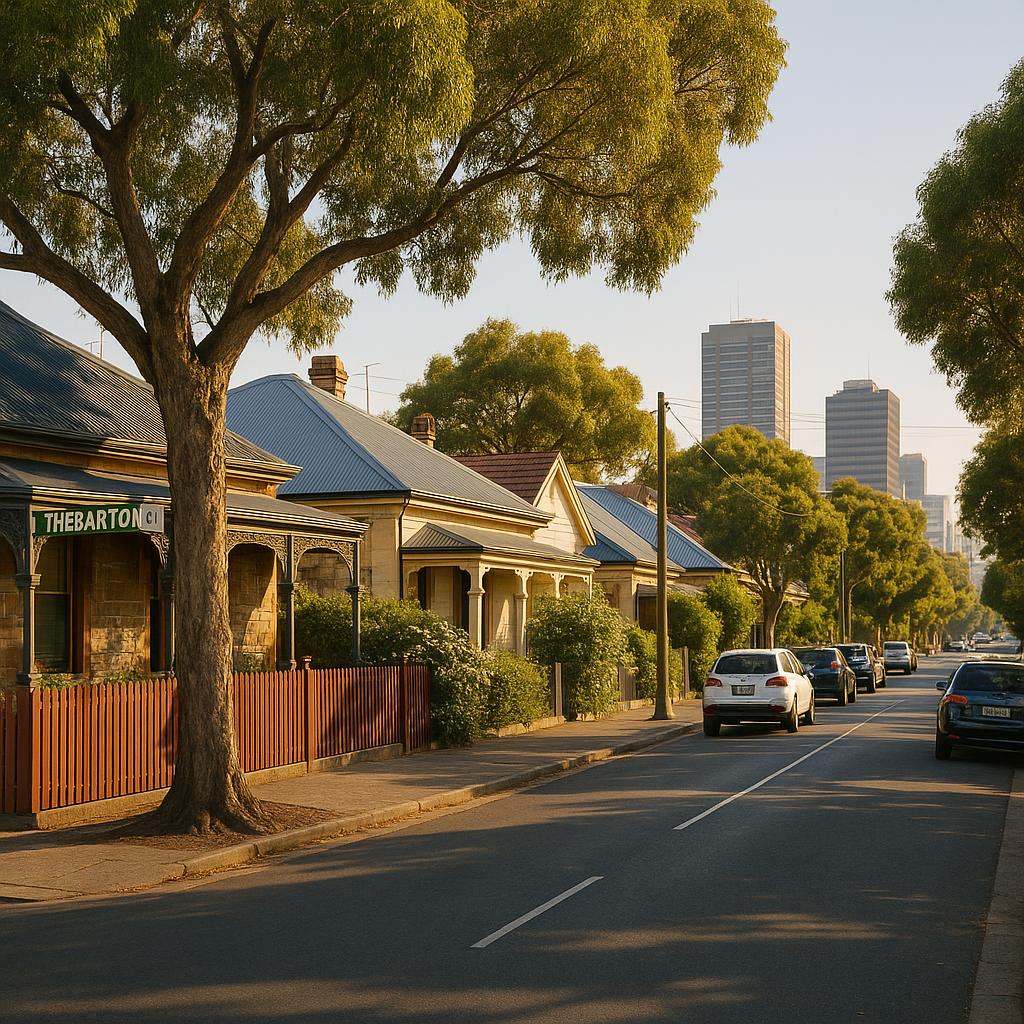
Thebarton, SA suits buyers who want an inner-west Adelaide location with established character, short city access, and broad appeal to lifestyle-led owner-occupiers and tenants. It is usually strongest for people who value convenience, older homes with renovation potential, and a suburb that feels close to the action rather than quiet and spacious. The main caution is that quality varies sharply by street and building age, so condition, noise, parking, and zoning deserve careful checking before you commit.
Key Takeaways
- Inner-west location is the core attraction, with the CBD and major employment areas remaining close and practical.
- Buyer demand is typically led by convenience, character housing, and access to urban amenity rather than large land holdings.
- Rental appeal is strongest for tenants who prioritise commute efficiency, low-maintenance living, and an established neighbourhood feel.
- Older housing stock can create opportunity, but it also raises inspection and maintenance risk for investors and renovators.
- Street-by-street variation matters here, so comparable sales, zoning checks, and on-site inspection should guide decisions.
Pros & Cons
Pros
- Inner-city convenience with strong lifestyle appeal
- Character homes and older housing stock can attract interest
- Close to major roads and public transport connections
Cons
- Older properties may need more maintenance and renovation planning
- Traffic, noise, and street variability can affect liveability
- Limited land size in some pockets may reduce family flexibility
Market Overview
Thebarton sits in Adelaide’s inner-west, where location convenience tends to shape demand more than sheer land size. Buyers often compare it with nearby established suburbs because the suburb offers an urban, close-to-CBD feel rather than a quiet outer-suburban profile.
The market typically reflects a mix of older homes, renovated dwellings, and selective redevelopment pressure. That means the suburb can appeal to both homeowners who want character and investors who want a tenant-friendly location, but value is highly dependent on street, presentation, and building condition.
In practice, Thebarton is the sort of market where two similar-looking homes can perform very differently if one has good parking, sensible updates, and lower noise exposure. For that reason, buyers should treat the suburb as a micro-market rather than assuming one broad price or rental profile.
Buyer Demand
Demand is usually driven by professionals, couples, downsizers, and first-home buyers who want the convenience of an inner suburb without moving into a high-rise environment. Renovators also watch the area because older stock can offer value-add potential when the bones are sound.
For investors, the appeal is straightforward: location-led demand, broad tenant usability, and a setting that can stay attractive across changing market cycles. The key is matching the property type to the likely buyer and tenant pool, not simply buying the most visually appealing home.
Rental Market
Thebarton’s rental appeal tends to come from tenants who value shorter commutes and easy access to Adelaide’s core. That usually includes city workers, couples, and some shared households where layout suits multiple occupants.
Well-presented, low-maintenance homes generally rent better than awkward layouts or heavily dated properties. Investors should budget for ongoing upkeep on older stock and check whether the dwelling’s features line up with the local tenant profile, including parking, comfort, and practical floorplan flow.
Lifestyle, Transport & Schools
Lifestyle is one of Thebarton’s strongest selling points. It offers an established inner-urban setting where cafés, dining, entertainment, and quick city access matter more than large blocks or deep suburban quiet. That suits buyers who want convenience to shape daily life.
Transport access is a major part of the suburb’s value proposition. Thebarton benefits from straightforward connection to central Adelaide and major road corridors, which can make weekday travel easier for commuters and workers who move between the city and surrounding precincts.
For families, the decision usually comes down to practical access rather than prestige. School catchments, childcare options, walkability, and access to parks or open space should be checked directly through current official sources, because these factors matter more than generic suburb commentary.
Thebarton Suburb Profile
Official 2021 Census snapshot for the ABS Suburbs and Localities geography.
Age profile
Housing tenure
Occupied private dwellings by tenure type.
Salary & income profile
Median total income reported in the Census.
*Annual figures are weekly median × 52 estimates, not separate ABS annual medians.
Education & qualifications
Highest educational attainment, people aged 15+.
Employment status
People aged 15+ who reported being in the labour force.
Industry of employment
Top responses among employed people aged 15 years and over.
Occupation profile
Broad occupation groups among employed residents, including managers.
Property Type Guide
- Character homes and older dwellings: attractive for buyers who want period feel, but they need careful checking for maintenance and layout efficiency.
- Updated cottages and renovated homes: often the best fit for owner-occupiers wanting move-in readiness and lower immediate repair risk.
- Smaller low-maintenance residences: can suit downsizers or investors who prioritise simplicity, ease of care, and broad tenant appeal.
- Mixed housing stock: means one street may feel very different from the next, so do not rely on suburb-wide assumptions alone.
- Best use case: buy for the property’s actual usability, not just the suburb name, because older inner-west markets reward disciplined selection.
Risks & Watch-Outs
- Older building age can mean higher maintenance costs, especially if previous updates were cosmetic rather than structural.
- Traffic and noise exposure can materially affect liveability, resale, and tenant retention in busier pockets.
- Street-by-street variation is real, so a strong address can sit close to a much weaker one.
- Renovation spending can be wasted if the layout remains awkward or the surrounding market does not support premium finishes.
- Parking, access, and storage should be checked carefully because inner-suburban convenience often depends on these everyday details.
Nearby Suburbs to Compare
FAQ
Is Thebarton a good suburb for buyers?
Thebarton can suit buyers who want inner-west convenience, character housing, and strong access to Adelaide’s core. It is less ideal if you want a quiet, spacious suburban setting. The best purchase usually depends on street, dwelling condition, and parking.
Is Thebarton good for investors?
It can be, because location-led demand often supports consistent tenant interest. Investors should focus on practical layouts, lower-maintenance finishes, and realistic rental expectations. Older homes can work well, but only if maintenance risks are understood before purchase.
What type of property is best in Thebarton?
There is no single best type. Renovated character homes suit owner-occupiers, while tidy low-maintenance dwellings often suit investors. Buyers should choose based on how the property performs in everyday use, not only on façade appeal or potential.
What should I watch out for when buying in Thebarton?
Pay close attention to building age, evidence of deferred maintenance, street noise, traffic exposure, and whether renovations are functional or just cosmetic. In inner suburbs, a good-looking property can still be an expensive one if the fundamentals are weak.
How does Thebarton compare with nearby suburbs?
Nearby suburbs can offer different balances of lifestyle, block size, renovation scope, and commute convenience. Comparing Thebarton with close alternatives helps you decide whether you value character, access, family usability, or lower-maintenance housing more highly.
Conclusion
Thebarton’s main strength is its inner-west location, which gives it enduring appeal for both homeowners and investors. The suburb works best when the property itself matches the buyer’s strategy, whether that is lifestyle, rental demand, or renovation potential. Careful street selection and thorough inspection remain essential.
Sources & How to Verify
- Check current sold examples and active listings on Domain to benchmark what similar Thebarton properties are actually trading for now.
- Review realestate.com.au for current asking rents and property features so you can compare value against nearby suburbs.
- Use the SA Government planning and property pages to confirm zoning, development considerations, and any constraints that may affect future use.
- Check the City of Charles Sturt website for council information that may affect local amenity, works, or planning processes.
- Search the ABS for the latest census-based suburb and area profiles if you want a current demographic cross-check.
- Use School Map or the relevant South Australian school finder tools to verify catchments rather than relying on hearsay or outdated assumptions.
- Inspect multiple recent sales in Thebarton and immediately adjacent suburbs to understand micro-location differences, because one street can behave very differently from the next.
- Before buying, confirm transport access, parking, and nearby amenity on official or current listing sources, then test the property on-site during busy and quiet times.