Quick Answer
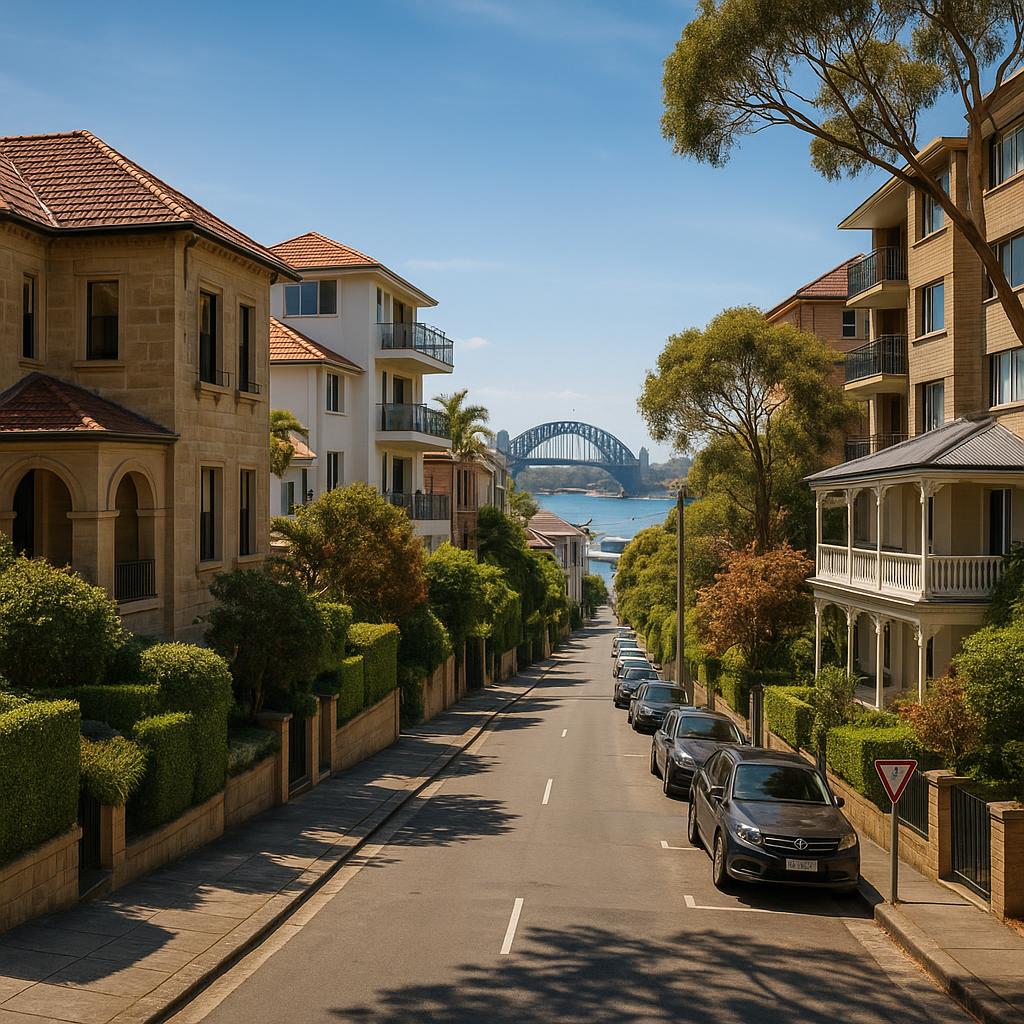
Drummoyne suits buyers who want an established inner-west location with harbour-adjacent lifestyle, strong day-to-day convenience, and broad appeal to owner-occupiers, downsizers, and investors. It tends to reward careful property selection rather than broad-brush assumptions: building quality, strata health, parking, street position, and flood or water exposure can matter as much as the suburb name. If you want a practical, prestige-leaning suburb with lasting resale interest, Drummoyne deserves close comparison.
Key Takeaways
- Drummoyne combines lifestyle appeal and convenience, which helps support demand from both buyers and tenants.
- The suburb’s market is shaped by established housing stock, limited turnover, and strong attention to micro-location.
- Property choice matters: houses, apartments, and townhouse-style dwellings each suit different goals and budgets.
- Investors should assess strata quality, maintenance exposure, and tenant fit, not just headline rental expectations.
- Buyers who value village amenity, transport access, and harbour proximity often find Drummoyne especially compelling.
Pros & Cons
Pros
- Established suburb with long-term recognition and enduring owner-occupier appeal
- Strong lifestyle setting with harbour influence, local amenity, and convenient commuting options
- Broad appeal across families, professionals, downsizers, and investors
Cons
- Entry pricing can be difficult for buyers seeking a foothold in the inner west
- Traffic, parking pressure, and peak-hour congestion can affect some pockets
- Older homes and strata buildings may bring hidden maintenance or upgrade costs
Market Overview
Drummoyne sits in Sydney’s inner west and is often viewed as a premium lifestyle suburb with strong practical appeal. Its market is less about new supply and more about established homes, apartment stock, and the resale value of specific streets, buildings, and outlooks.
That matters because two properties in the same suburb can perform very differently. A well-located apartment with good light, parking, and a solid strata record may be far more resilient than a larger but less convenient property. Buyers here are usually paying for a mix of liveability, convenience, and long-term desirability.
For homeowners, that can mean a suburb you can enjoy for years without feeling disconnected from daily needs. For investors, it means a market where tenant demand and resale depth can be supported by the suburb’s reputation, but only if the property itself is well chosen.
Buyer Demand
Demand in Drummoyne typically comes from owner-occupiers, professionals, families, and downsizers who want a balance of amenity and accessibility. Buyers often compare it with other established inner-west and harbour-connected suburbs because it offers a similar “live well, commute well” profile.
Competition is usually strongest for properties that are easy to occupy or lease: good natural light, parking, low-maintenance layouts, and a practical walk-to-amenity position. In a suburb like this, presentation and functionality can influence buyer interest as much as raw size.
Rental Market
Drummoyne is the kind of suburb that can appeal to professionals, couples, small families, and renters seeking a convenient inner-west base. Low-maintenance apartments and well-kept houses tend to do better with tenants who value a smooth commute, local amenity, and a tidy, comfortable home.
For investors, the key is to treat rental performance as a whole-package question. A property with better layout, light, and building quality may lease more easily than one that looks bigger on paper. In this market, tenant quality, ongoing maintenance, and presentation often matter more than chasing the last dollar of rent.
Lifestyle, Transport & Schools
Drummoyne’s lifestyle strength comes from its established neighbourhood feel, harbour-adjacent setting, and everyday convenience. Buyers often like that it feels settled rather than transient, with local services and recreational options supporting both weekday living and weekend downtime.
Transport access is a genuine part of the suburb’s appeal. Bus and ferry connections can widen the buyer and renter pool, while road access is useful but can be affected by congestion at busy times. That is why commute testing should be done at the times you would actually travel, not just on a quiet inspection day.
Families also pay attention to school access, childcare, and broader practical routines. Even when buyers are not focused on rankings, they often want a property that keeps school runs, after-school activities, and errands manageable. That practical convenience can be a major reason people stay in the area.
Drummoyne Suburb Profile
Official 2021 Census snapshot for the ABS Suburbs and Localities geography.
Age profile
Housing tenure
Occupied private dwellings by tenure type.
Salary & income profile
Median total income reported in the Census.
*Annual figures are weekly median × 52 estimates, not separate ABS annual medians.
Education & qualifications
Highest educational attainment, people aged 15+.
Employment status
People aged 15+ who reported being in the labour force.
Industry of employment
Top responses among employed people aged 15 years and over.
Occupation profile
Broad occupation groups among employed residents, including managers.
Property Type Guide
- Houses: Best for buyers wanting land component, future flexibility, and family use; inspect drainage, parking, and renovation scope carefully.
- Apartments: Best for low-maintenance living and a more accessible entry point; assess strata records, building condition, and noise transfer.
- Townhouses / semi-detached homes: A middle-ground option for buyers wanting more space than an apartment without full house upkeep.
- Renovated stock: Often stronger for immediate liveability and tenant appeal, provided the renovation quality is durable rather than cosmetic.
- Original stock: Can offer value and upside, but only if the structure, layout, and street position are fundamentally strong.
Risks & Watch-Outs
- Traffic and parking conditions can vary sharply by street, so inspect at different times of day before committing.
- Apartment buyers should review strata levies, sinking fund position, maintenance history, and any planned special levies.
- Some locations may face flood, drainage, or water-related exposure, so verify mapped risk rather than relying on general impressions.
- Older homes can hide expensive upgrade work behind attractive styling, especially around plumbing, wiring, and waterproofing.
- Do not overpay for the suburb name alone; the property’s actual condition and layout will shape future resale strength.
Nearby Suburbs to Compare
- Balmain NSW Property Market Guide: Buyers & Investors
- Five Dock NSW Property Market Guide: Buyers & Investors
- Leichhardt NSW Property Market Guide: Buyers & Investors
- Marrickville NSW Property Market Guide: Buyers & Investors
- Glebe NSW Property Market Guide: Buyers & Investors
FAQ
Is Drummoyne a good suburb for buyers?
Yes, if you value a mix of lifestyle, convenience, and established suburb appeal. It is best suited to buyers who want a practical inner-west location rather than a speculative, high-growth story based on new development or cheap entry.
Is Drummoyne better for investors or owner-occupiers?
It can work for both, but the suburb often favours buyers who understand quality. Owner-occupiers like the lifestyle and convenience; investors need to focus on property type, strata quality, maintenance risk, and the right tenant profile.
What property type usually makes the most sense in Drummoyne?
That depends on your goal. Apartments suit lower-maintenance living and entry into the suburb, while houses suit longer-term family use and land value. Townhouses and semis can be a useful middle ground if well located.
What should I inspect before buying?
Check the building or house structure, parking, natural light, noise, drainage, and any signs of flood or water exposure. For apartments, review strata records, levies, maintenance plans, and building reputation before making an offer.
Does Drummoyne suit downsizers?
Yes, because it offers amenity, accessibility, and a lower-maintenance lifestyle without losing suburb prestige. Downsizers should focus on lift access, storage, parking, walkability, and whether the property supports easy day-to-day living.
Conclusion
Drummoyne remains a strong suburb to understand if you want an established inner-west address with lifestyle and convenience working together. The smartest purchases here are usually the ones that balance location, property quality, and practical ownership costs. Buyers and investors who compare carefully will be better placed to choose a property that holds up over time.
Sources & How to Verify
- Check current sold results and active listings on Domain so you can compare real market evidence with any estimate or headline commentary.
- Use realestate.com.au to review competing properties, listing quality, and rental supply before assuming a property will lease quickly.
- Review transport routes, timetables, and any service changes on Transport for NSW to test commute convenience properly.
- Confirm zoning, planning controls, and development information on the NSW Planning Portal before relying on street or site assumptions.
- Use the ABS for demographic context, but treat it as background only and pair it with current property demand evidence.
- For school catchments and local options, verify details through the NSW public school finder because intake areas and availability can change.
- If flood or drainage exposure matters for your shortlist, check the relevant council and state flood-mapping resources rather than assuming waterfront proximity equals risk.
- Always confirm building-specific issues with a strata report, pest and building inspection, and contract review before you bid or exchange.