Quick Answer
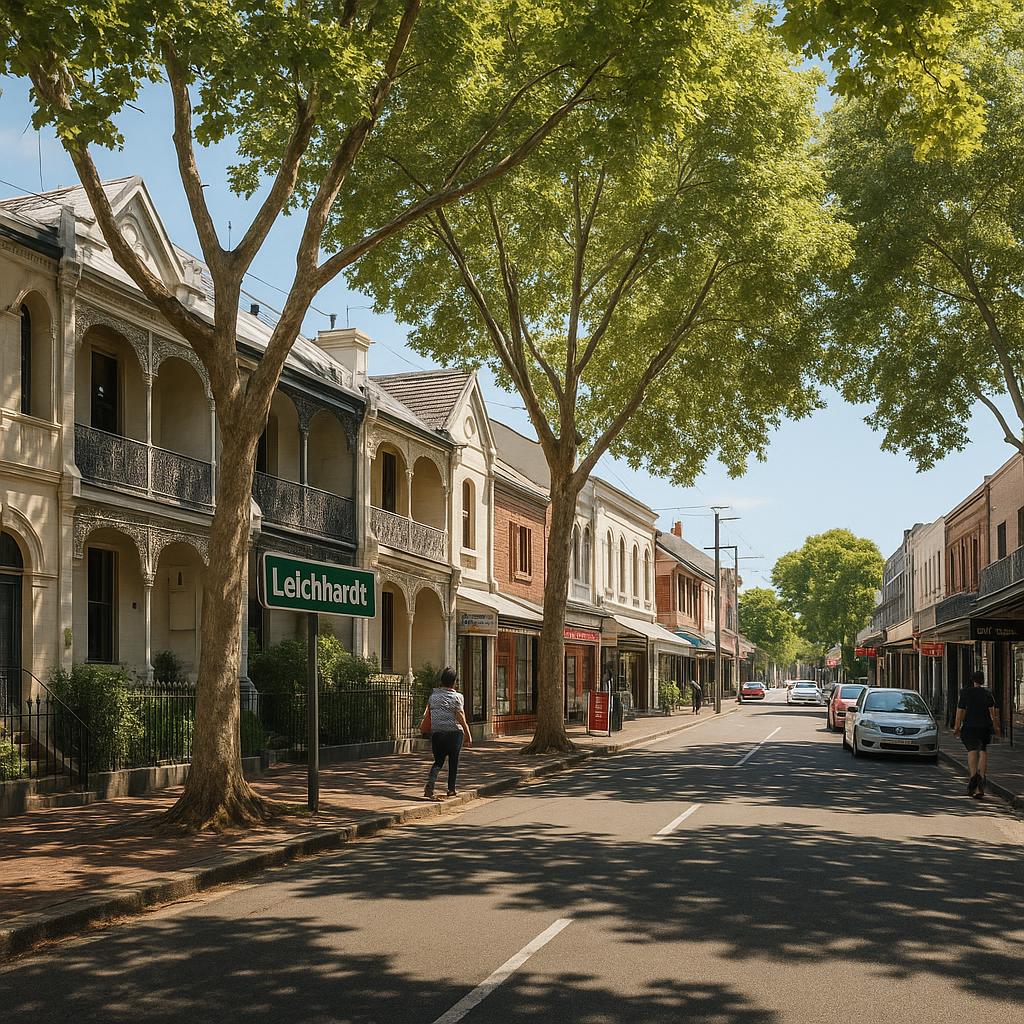
Leichhardt is one of Sydney’s classic inner-west lifestyle suburbs, and that matters because buyers are not just purchasing a postcode—they are buying walkable convenience, character, and proximity to the CBD. It tends to suit owner-occupiers who value amenity and investors who want enduring tenant depth in a tightly held location. The key is to match the property type to your goal: apartments for lower maintenance, terraces for character and upside, and homes with enough flexibility to hold value through different market cycles.
Key Takeaways
- Leichhardt is typically viewed as a premium inner-west market, so buyers often pay for lifestyle and location rather than land size.
- Demand is supported by a strong village feel, established housing stock, and convenient access to wider Sydney employment hubs.
- Different property types attract different strategies, from low-maintenance apartments to character terraces with renovation potential.
- Rental appeal is usually broad because the suburb suits professionals, downsizers, couples, and smaller households seeking convenience.
- Before buying, verify street noise, strata quality, renovation scope, and transport access rather than relying on the suburb name alone.
Pros & Cons
Pros
- Strong lifestyle appeal with a recognisable village atmosphere and excellent everyday amenity.
- Broad buyer and tenant interest from multiple household types, which can support resale depth.
- Mix of apartments, terraces, semis, and houses gives buyers several entry and strategy options.
Cons
- Competitive pricing can make it hard to secure the right property if you wait for perfection.
- Older buildings and character homes may bring strata, maintenance, or renovation constraints.
- Busy streets and higher activity pockets may not suit buyers prioritising quiet, low-traffic living.
Market Overview
Leichhardt is a tightly held inner-west Sydney suburb with a strong local identity, established housing stock, and a reputation for convenience. That combination usually keeps it on the radar of owner-occupiers who want lifestyle first, then access and practicality second.
The market is not one-size-fits-all. Apartments, terraces, semis, and freestanding homes can behave very differently depending on street position, condition, parking, and proximity to the main retail and dining strip. Buyers should think in terms of micro-market pockets rather than treating the entire suburb as interchangeable.
For investors and homeowners, the main appeal is stability of demand rather than speculative upside from new supply. That tends to favour buyers who understand the trade-off: you are often paying for established amenity, character, and long-term desirability, not a bargain entry point.
Buyer Demand
Demand in Leichhardt is typically driven by owner-occupiers, professionals, downsizers, and investors competing for the same limited stock. That broad demand base can help support resale outcomes because the suburb offers something different to each buyer group.
In practical terms, the most attractive properties are usually the ones that combine function with lifestyle: good natural light, sensible layouts, usable outdoor space, parking where available, and walkable access to daily needs. A beautiful property that is awkward to live in can still be harder to sell, even in a sought-after suburb.
Rental Market
Leichhardt generally appeals to tenants who value convenience, access, and a lively local environment. That means low-maintenance apartments and well-presented terraces often attract attention from renters who want to live close to amenity without taking on a long commute.
For investors, the key question is not simply “will it rent?” but “who will it rent to, and how stable is that tenant demand?” Broadly usable floor plans, good storage, workable parking, and solid building presentation usually matter more than decorative extras. Strata quality is especially important for apartment buyers because poor maintenance can erode both rentability and long-term holding performance.
Lifestyle, Transport & Schools
Leichhardt’s lifestyle strength comes from its established food, retail, and daily-convenience offer, which gives it a village feel despite being close to the city. That walkable character is a major reason many buyers are willing to compromise on land size or internal space.
Transport access is one of the suburb’s practical selling points for commuters and hybrid workers. Buyers should still test the actual route they will use—by car, bus, or other public transport options—because the experience can vary meaningfully by street, time of day, and parking availability.
Families often assess the suburb through school access, childcare logistics, and green space rather than lifestyle branding alone. Always verify catchments, enrolment rules, and local school information through official sources, because these details can change and are highly property-specific.
Leichhardt (NSW) Suburb Profile
Official 2021 Census snapshot for the ABS Suburbs and Localities geography.
Age profile
Housing tenure
Occupied private dwellings by tenure type.
Salary & income profile
Median total income reported in the Census.
*Annual figures are weekly median × 52 estimates, not separate ABS annual medians.
Education & qualifications
Highest educational attainment, people aged 15+.
Employment status
People aged 15+ who reported being in the labour force.
Industry of employment
Top responses among employed people aged 15 years and over.
Occupation profile
Broad occupation groups among employed residents, including managers.
Property Type Guide
- Apartments: Often the most accessible entry point; best for investors, downsizers, and buyers wanting lower maintenance. Check strata levies, building quality, lift access, and floor plan efficiency.
- Terraces and semis: Suited to buyers chasing character and long-term liveability. Inspect for renovation scope, heritage constraints, ceiling height, light, and practical storage.
- Freestanding homes: Scarcer and more flexible, with strong appeal to long-term owner-occupiers. Confirm land usability, parking, and whether upkeep matches your budget and time horizon.
- Street and aspect matter: In Leichhardt, a better layout on a quieter street can outperform a larger property in a less convenient or noisier position.
Risks & Watch-Outs
- Do not overpay for the suburb name alone; the building, street, and floor plan still drive the real outcome.
- Older stock may hide maintenance issues, so inspect plumbing, drainage, ventilation, and general upkeep carefully.
- Apartments can carry meaningful strata costs, and poorly managed buildings may create future expense or resale drag.
- Busy roads, restaurant activity, and parking pressure can affect liveability more than buyers expect from online listings.
- Renovation potential may be limited by heritage controls, strata rules, or awkward internal layouts.
Nearby Suburbs to Compare
FAQ
Is Leichhardt a good suburb for first-home buyers?
It can be, but the main challenge is affordability rather than suitability. First-home buyers often find apartments the most realistic entry point, especially if they want to stay close to the inner west and accept a smaller footprint in exchange for convenience.
Is Leichhardt better for owner-occupiers or investors?
It suits both, but owner-occupiers often drive the strongest lifestyle demand. Investors can still do well if they choose a property with broad tenant appeal, sensible ongoing costs, and a layout that works for practical everyday living.
What property type is most practical in Leichhardt?
That depends on your strategy. Apartments are usually the simplest to maintain, terraces suit buyers who want character and future upside, and freestanding homes offer flexibility but are typically rarer and more expensive to secure.
What should buyers check before purchasing in Leichhardt?
Focus on street noise, parking, natural light, strata quality, renovation limits, and proximity to the places you will use most. Also verify school details, transport options, and comparable sales for the same property type rather than relying on suburb averages.
How does Leichhardt compare with nearby inner-west suburbs?
It generally competes on lifestyle, convenience, and a well-known village identity. Nearby suburbs may offer different trade-offs in housing style, price sensitivity, or transport feel, so compare on the property type and street experience, not just the postcode.
Conclusion
Leichhardt is a strong option for buyers who want inner-west convenience, established character, and a suburb with broad appeal across multiple buyer groups. The best results usually come from disciplined selection: choose the right property type, inspect the street carefully, and verify the practical details that will shape long-term liveability and resale strength.
Sources & How to Verify
- Check current listings and recent comparable sales on Domain to see how property type, condition, and location are influencing asking prices and clearance behaviour.
- Review live rental listings on realestate.com.au to understand what tenants are currently paying attention to in Leichhardt.
- Confirm zoning, planning controls, and development constraints through NSW Planning Portal before assuming renovation or redevelopment potential.
- Use the Inner West Council website to check local planning information, parking rules, and place-based considerations that may affect a property.
- Verify school catchments and enrolment details on the NSW Government School Finder rather than relying on agent descriptions or hearsay.
- Cross-check transport routes and service changes via Transport for NSW so you understand real commute options from the specific street you are considering.
- Use ABS data for broad demographic context, but treat it as background only because suburb-wide averages do not replace property-level due diligence.
- Inspect building condition, strata records, and contract details directly with the agent and your conveyancer, because the best suburb in Sydney can still contain a poor-quality asset.