Quick Answer
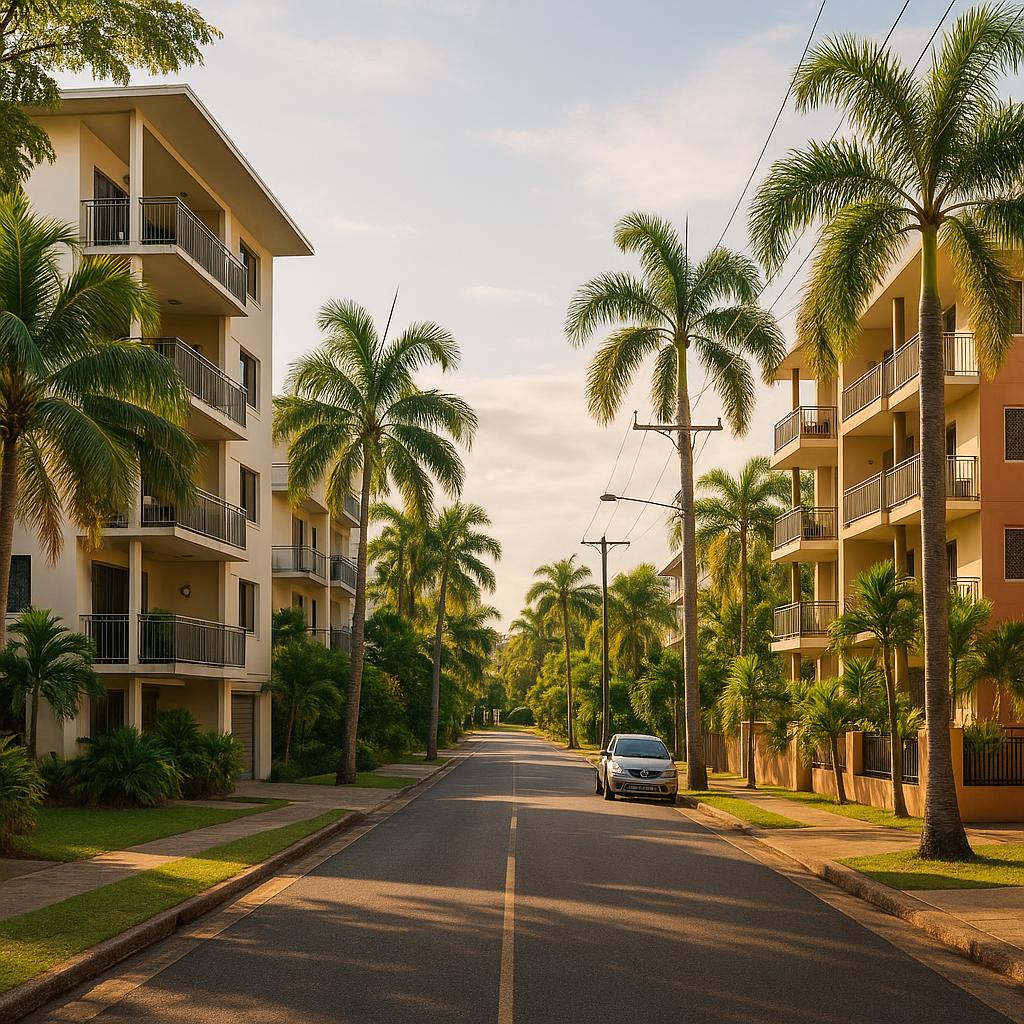
Larrakeyah is an inner Darwin suburb that suits buyers who want central convenience, a low-maintenance lifestyle, and access to the CBD, waterfront and nearby amenities. For investors, its appeal is usually tenant quality and location-led demand rather than large land content or broad family turnover. The key is to buy the right property type and inspect carefully, because in a small suburb, building quality, strata costs and layout often matter more than the postcode alone.
Key Takeaways
- Larrakeyah is tightly held and location-driven, so supply is limited and the market tends to reward well-presented stock.
- The suburb suits owner-occupiers, downsizers and investors who value convenience, rather than buyers chasing large blocks or big backyards.
- Tenant demand is usually strongest for low-maintenance homes with easy access to Darwin’s CBD and lifestyle amenities.
- Strata position, building condition and parking can materially affect both resale appeal and leasing performance.
- Buyers should compare Larrakeyah with nearby inner Darwin suburbs to confirm whether the premium for convenience is justified.
Pros & Cons
Pros
- Central location makes daily commuting and access to city services straightforward.
- Strong appeal for lifestyle buyers who want a low-maintenance, lock-and-leave base.
- Smaller suburb footprint can support a sense of scarcity and long-term desirability.
Cons
- Housing stock is often more apartment and strata-focused than some buyers expect.
- Ongoing costs can be higher once levies, maintenance and building management are considered.
- Noise, parking and layout issues can matter more than in lower-density suburbs.
Market Overview
Larrakeyah sits close to Darwin’s CBD and major lifestyle drawcards, which gives it a clear “location first” market identity. It is not a broad-volume family suburb; instead, it attracts buyers who are paying for convenience, access and a more urban way of living. That tends to make individual property quality especially important.
Because the suburb is relatively small and central, supply can feel constrained when good stock is available. That often helps well-located, well-maintained properties stand out, but it also means buyers should not assume every listing is a premium asset just because it is in Larrakeyah.
For investors and homeowners alike, the practical question is whether the property fits the suburb’s core demand: central access, manageable upkeep and a liveable layout. If it does, the address can be compelling; if not, nearby suburbs may offer better value for the same budget.
Buyer Demand
Demand in Larrakeyah is usually shaped by people who value proximity over lot size. That includes owner-occupiers who want easier access to work and leisure, relocators who are new to Darwin, and downsizers who prefer convenience and lower-maintenance living. In practical terms, the suburb tends to reward properties that are easy to live in and easy to keep.
For investors, the key question is not just “is it central?” but “who will rent it, and why?” A clean, functional apartment or unit is often easier to position than a larger, harder-to-maintain dwelling. Buyers should think in terms of tenant profile, resale audience and building quality rather than relying on location alone.
Rental Market
Larrakeyah is generally well suited to tenants who want a central base with minimal upkeep. Professionals, couples and relocation tenants are the most obvious audience because they typically value convenience, parking, security and quick access to Darwin’s work and lifestyle hubs. That makes presentation and practicality especially important.
For investors, rental strength is usually supported by the suburb’s usability rather than by one standout feature. Good airflow, cooling, parking, secure access and a well-managed building can all matter more than raw floor area. Before buying, verify current rental listings and talk to local property managers about the tenant mix they are seeing now.
Lifestyle, Transport & Schools
Larrakeyah’s lifestyle appeal comes from central Darwin living rather than suburban space. Residents can access the CBD, waterfront precincts, beaches and entertainment options with far less driving than many outer suburbs require. That matters for buyers who want a simpler weekday routine and more time spent locally.
Transport convenience is a major selling point, even without relying on a single transport mode. The suburb works best for people who want short trips, flexible movement and an easy base close to major destinations. In buyer terms, that often translates into stronger interest from time-poor professionals and downsizers.
School needs should be checked directly and early, because families should verify current enrolment zones, travel times and daily logistics using official sources. Larrakeyah can make sense for some households, but others may prefer nearby suburbs if they need larger homes, easier drop-off routines or a more conventional family setup.
Larrakeyah Suburb Profile
Official 2021 Census snapshot for the ABS Suburbs and Localities geography.
Age profile
Housing tenure
Occupied private dwellings by tenure type.
Salary & income profile
Median total income reported in the Census.
*Annual figures are weekly median × 52 estimates, not separate ABS annual medians.
Education & qualifications
Highest educational attainment, people aged 15+.
Employment status
People aged 15+ who reported being in the labour force.
Industry of employment
Top responses among employed people aged 15 years and over.
Occupation profile
Broad occupation groups among employed residents, including managers.
Property Type Guide
- Apartments: Often the most sensible fit for investors, downsizers and buyers prioritising convenience over land.
- Units: Can offer a practical central foothold, but layout efficiency and parking matter a lot.
- Strata-titled homes: Require careful review of levies, bylaws and maintenance obligations before purchase.
- Higher-end or older dwellings: May suit owner-occupiers seeking character or privacy, where stock becomes available.
- Inspection focus: Check ventilation, noise transfer, storage, common areas, and the quality of building management.
Risks & Watch-Outs
- Strata levies and special levies can change the economics of an otherwise attractive property.
- Older buildings may carry deferred maintenance risks that only show up after a detailed inspection.
- Noise, parking pressure and traffic exposure can affect liveability more than buyers expect in central locations.
- Layout matters: a poor floor plan can weaken both rental demand and future resale appeal.
- Do not assume every central property is a quality asset; building condition and management still need checking.
Nearby Suburbs to Compare
FAQ
Is Larrakeyah a good suburb for property investors?
Larrakeyah can suit investors who want a central, renter-friendly location with broad appeal to professionals and relocators. The key is choosing a property that is easy to maintain, well presented and supported by sound strata or building fundamentals.
What type of buyer is Larrakeyah best suited to?
It is usually best suited to owner-occupiers, downsizers and investors who value convenience more than land size. Buyers seeking a large yard, detached-family feel or more suburban privacy may find better fit elsewhere.
Is Larrakeyah mostly apartments or houses?
The suburb is commonly associated with apartments, units and strata-style ownership, although exact stock changes over time. Always check current listings rather than relying on broad assumptions, because property mix can vary street by street and building by building.
How should I assess value in a small inner-city suburb?
Compare the property against nearby alternatives, then assess building quality, layout, parking, maintenance history and likely end-user demand. In a compact suburb, the right property features often matter more than the suburb name alone.
What should families check before buying in Larrakeyah?
Families should verify school options, travel times, parking and day-to-day practicality before making a decision. A central apartment lifestyle can work well for some households, but others may need more space or a different routine.
Conclusion
Larrakeyah is a convenience-led inner Darwin suburb that appeals to buyers who want central access and a lower-maintenance lifestyle. It can work well for investors and homeowners, but only when the property type, building quality and ownership costs suit the plan. In this suburb, the smartest purchase is usually the one that aligns location with practical livability.
Sources & How to Verify
- Check current sold and advertised listings on Domain to understand what buyers are paying and how long similar properties are staying on market.
- Review current rental listings on realestate.com.au to compare asking rents, property features and presentation standards.
- Use ABS data to confirm suburb-level demographic context rather than relying on outdated assumptions about who lives locally.
- Check planning, zoning and development information with the Northern Territory Government property information pages before treating any site as a long-term hold.
- Verify school zones, enrolment processes and current catchment details through the NT Department of Education rather than relying on third-party summaries.
- Ask the selling agent or strata manager for the latest body corporate records, levies and meeting minutes so you can assess ongoing costs properly.
- Inspect the property at different times of day to check noise, parking availability and the real feel of the immediate street environment.
- Request a local rental appraisal from a property manager to confirm whether the property suits the current tenant pool and likely leasing strategy.