Quick Answer
Nightcliff suits buyers and investors who prioritise lifestyle, convenience, and long-term liveability over new-estate product. It is often more about buying into an established coastal Darwin pocket than chasing headline growth stories. For owner-occupiers, the suburb can reward buyers who value walkability, outdoor living, and a recognisable neighbourhood feel. For investors, the strongest opportunities usually come from properties that are easy to maintain, well presented, and close to everyday amenity.
Key Takeaways
- Nightcliff is an established coastal Darwin suburb where lifestyle, convenience, and neighbourhood character strongly influence buyer interest.
- Demand is usually driven by livability and micro-location, so two similar properties can perform differently street by street.
- Older homes can offer land value and character, but tropical upkeep, moisture, and deferred maintenance need close scrutiny.
- Low-maintenance units and townhouses may suit investors and busy owner-occupiers who want simpler day-to-day management.
- The best purchase is usually the one that matches your goal: owner-occupier comfort, rental ease, or renovation upside.
Pros & Cons
Pros
- Strong lifestyle appeal with a coastal, established feel.
- Broad interest from owner-occupiers, downsizers, and renters.
- Multiple property types can suit different budgets and strategies.
Cons
- Older housing can mean higher maintenance and inspection risk.
- Premium pockets may reduce affordability for some buyers.
- Strata rules and ongoing costs matter for apartments and townhouses.
Market Overview
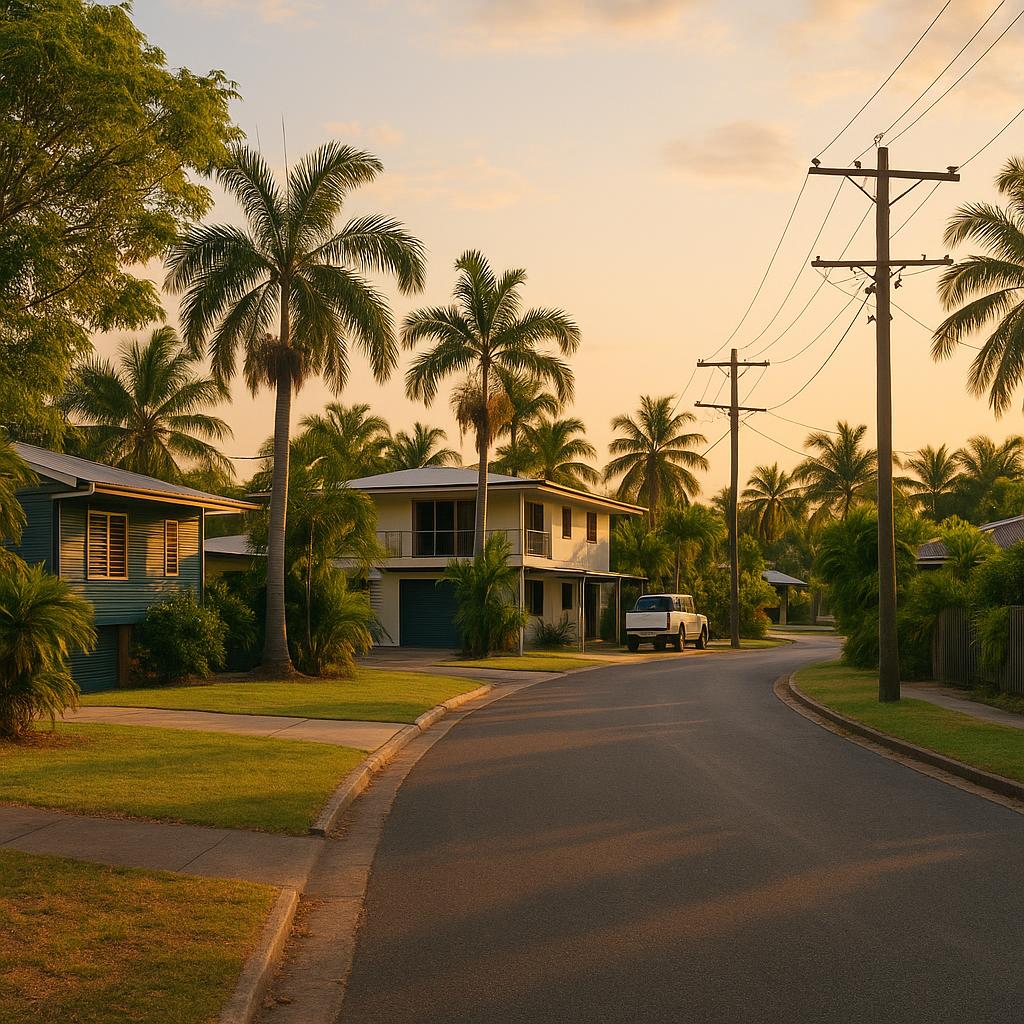
Nightcliff is an established inner-northern Darwin suburb with a clear lifestyle identity. It is known for its coastal setting, everyday convenience, and a mix of older detached homes, units, and smaller low-maintenance complexes. That combination tends to attract buyers who want a genuine suburb, not just a place to sleep.
The local market is best understood as a livability market. Buyers often compare streets, presentation, outdoor usability, and proximity to amenities before they focus on floorplans. In practical terms, well-kept properties near desirable pockets can attract stronger attention than larger but less convenient alternatives. If you are comparing it with nearby established areas, use Darwin NT Property Market Guide: Buyers & Investors and Casuarina NT Property Market Guide: Buyers & Investors as useful context points.
For investors, the key question is not simply “Will it rent?” but “Who will this property appeal to, and how much upkeep will it need?” That distinction matters in Nightcliff more than in generic suburban markets. A neat, easy-care property can often outperform a tired dwelling with the same bedroom count because the local buyer and tenant pool values presentation and convenience.
Buyer Demand
Buyer demand in Nightcliff is usually supported by lifestyle-led owner-occupiers, local upgraders, and buyers relocating for work. The suburb appeals to people who want an established feel, access to outdoor spaces, and a practical daily routine without giving up proximity to services.
Demand often concentrates around properties that are easy to live in rather than those that are merely large. Renovated homes, well-kept units, and homes with functional outdoor areas tend to stand out. Investors should think about tenant profile as carefully as capital growth potential: the more broadly a property suits professionals, couples, or downsizers, the easier it may be to lease.
Rental Market
Nightcliff’s rental story is shaped by convenience, lifestyle, and a desire for low-friction living. Tenants who choose the suburb are often looking for a property that makes daily life simpler, whether that means a unit close to amenity or a small house with manageable upkeep.
For investors, the most important rental considerations are presentation, cooling, ventilation, and maintenance burden. In a tropical climate, properties that feel comfortable and are easy to keep in good condition often lease more smoothly than homes that rely on cosmetic appeal alone. Units can be appealing for convenience, but buyers should always check body corporate settings and ongoing costs before committing.
Lifestyle, Transport & Schools
Nightcliff’s lifestyle advantage is one of its biggest selling points. Buyers are often drawn to the suburb because it supports a more active, outdoor-oriented routine. That matters for both homeowners and tenants, because a suburb with strong everyday livability can feel more valuable than one with only size or price appeal.
Transport is generally a practical consideration rather than a headline feature. Buyers should test their own commute, parking needs, and preferred travel routes rather than assuming convenience from a map. Walkability and cycling can be a genuine advantage in the right pocket, but that depends on the exact property location and the buyer’s routine.
Families typically assess schools by proximity, convenience, and daily logistics rather than rankings alone. If schooling matters, verify current catchments and enrolment rules directly through official sources before making assumptions. For many households, Nightcliff works because the suburb can simplify school runs, after-school activities, and weekend errands.
Nightcliff Suburb Profile
Official 2021 Census snapshot for the ABS Suburbs and Localities geography.
Age profile
Housing tenure
Occupied private dwellings by tenure type.
Salary & income profile
Median total income reported in the Census.
*Annual figures are weekly median × 52 estimates, not separate ABS annual medians.
Education & qualifications
Highest educational attainment, people aged 15+.
Employment status
People aged 15+ who reported being in the labour force.
Industry of employment
Top responses among employed people aged 15 years and over.
Occupation profile
Broad occupation groups among employed residents, including managers.
Property Type Guide
- Detached houses: Best for buyers wanting land, privacy, and renovation scope. Check roof condition, ventilation, drainage, and ongoing maintenance needs carefully.
- Units/apartments: Best for investors and buyers wanting lower-maintenance living. Review strata levies, by-laws, sinking fund health, and owner-occupier demand.
- Townhouses/duplexes: A middle ground that can suit busy households wanting more space than an apartment without full standalone upkeep.
- Older character stock: Can offer charm and block appeal, but buyers should budget for climate-related wear and hidden repair costs.
- Renovated stock: Often easier to move into or rent out, but confirm the upgrade quality is more than cosmetic.
Risks & Watch-Outs
- Tropical weather can amplify wear, so inspect for moisture, corrosion, pests, and roof or gutter issues.
- Older homes may look charming but still carry deferred maintenance that affects holding costs.
- Strata properties need careful review because levies, rules, and capital works history can materially affect value.
- Micro-location matters, so compare traffic exposure, noise, parking, and walkability before relying on suburb reputation alone.
- Do not assume a lifestyle premium means stronger rent or resale if the property is poorly presented or hard to maintain.
Nearby Suburbs to Compare
FAQ
Is Nightcliff a good suburb for investors?
It can be, especially if you buy a property that matches tenant demand for convenience, lifestyle, and low-maintenance living. Focus on presentation, climate resilience, and ease of upkeep rather than assuming any Nightcliff property will outperform by default.
Is Nightcliff good for families?
Yes, for families who value an established suburb, outdoor spaces, and practical daily routines. The key is to check the exact property location, school access, parking, and whether the home suits your household’s space and maintenance tolerance.
What type of property is best in Nightcliff?
There is no single best type. Houses may suit long-term owner-occupiers wanting land, while units and townhouses may suit buyers who want simplicity. The best choice depends on whether your priority is lifestyle, rental ease, or renovation potential.
Are units or houses better in Nightcliff?
Units are often easier to manage and can suit investors or downsizers, but strata costs and rules need careful review. Houses offer more independence and land, yet may require more upkeep because of age and Darwin’s tropical conditions.
What should buyers inspect most carefully?
Inspect moisture management, roof condition, ventilation, pests, drainage, and any signs of deferred maintenance. For strata properties, also review body corporate records, levies, and by-laws so you understand the real ownership costs before you buy.
Conclusion
Nightcliff is best approached as a lifestyle-led suburb with genuine practical value, not just a coastal address. Buyers who understand the property type, maintenance profile, and micro-location can make smarter decisions here. For investors and homeowners alike, the winning formula is simple: choose a property that fits how people actually live in Darwin.
Sources & how to verify
- Check current listings and recent sold examples on Domain so you can compare Nightcliff asking prices with recent market activity.
- Review rental listings on realestate.com.au to see what property types are actually being offered and how they are presented.
- Use ABS to understand broader demographic and housing context before drawing conclusions from one street or one listing.
- Check zoning, planning controls, and development pathways through the Northern Territory Government planning resources before assuming renovation or extension potential.
- Verify school zones and enrolment rules using the NT school finder rather than relying on agent or marketing material.
- Cross-check local services and suburb amenity with the City of Darwin so you know what is actually nearby and what may be proposed.
- If you are buying a unit or townhouse, request the body corporate records and confirm levies, insurance, and any special works before exchange.
- Inspect the property in person at different times of day so you can verify noise, parking, breeze, and street activity for yourself.