Quick Answer
Key Takeaways
- Ashgrove suits buyers who want an established inner-west suburb with lifestyle depth rather than a generic housing estate.
- Owner-occupier demand is a major feature, which can support resale confidence and reduce reliance on investor-only demand.
- Property type matters: character homes, renovated houses, and low-maintenance dwellings each serve different buyer goals.
- Investors should focus on tenant-friendly layouts, condition, and long-term hold costs, not just the suburb’s prestige.
- Comparing nearby inner-west suburbs helps you judge whether Ashgrove’s premium is justified for your budget and strategy.
Pros & Cons
Cons
- venient access to the CBD and inner-west employment and amenity corridors.
Market Overview
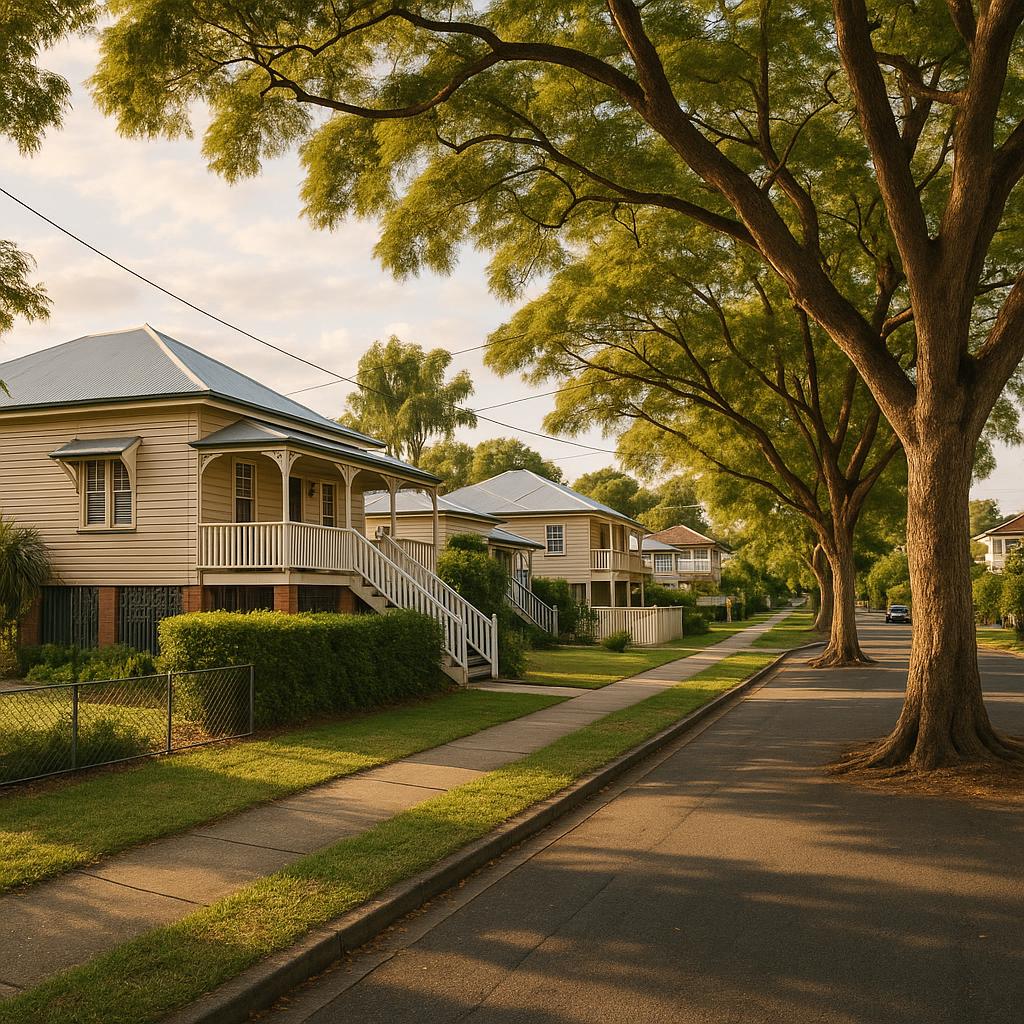
Ashgrove sits in Brisbane’s inner-west lifestyle corridor and is typically understood as an established, leafy suburb with strong day-to-day liveability. For many buyers, its appeal is not about flashy newness; it is about the combination of proximity, residential amenity, and a neighbourhood feel that remains attractive over time.
The market is shaped by a mix of character homes, renovated dwellings, and some lower-maintenance options. That mix creates very different outcomes from one property to the next, so buyers need to assess the specific home, street, land, and condition rather than assume all Ashgrove stock behaves the same.
In practical terms, Ashgrove often rewards buyers who are clear about their priorities. If you want a family base with future flexibility, a well-located older home may make sense. If you want simplicity, a well-positioned unit or low-maintenance property may better fit your holding strategy and budget.
Buyer Demand
Buyer demand in Ashgrove is usually driven by families, professionals, and downsizers who want a convenient inner-west location without giving up a residential feel. The suburb often attracts people who are buying with lifestyle in mind but still want solid long-term value logic underneath the purchase.
For investors, that broad appeal matters because it can support deeper resale and rental demand across multiple buyer types. The key is to choose a property that matches local expectations: functional layouts, good presentation, usable outdoor space, and a street position that feels genuinely livable.
Rental Market
The rental market tends to appeal to tenants who value location, school access, and a pleasant everyday environment. Family tenants often look for homes with practical layouts and enough space to live comfortably, while professionals may prioritise commute convenience and low-maintenance living.
From an investor perspective, the strongest rental outcomes usually come from properties that are easy to maintain and easy to live in. That means good ventilation, sensible floor plans, adequate storage, and finishes that are durable rather than overly trendy. A tidy, functional home often leases better than a high-cost renovation that does not suit local tenant preferences.
Lifestyle, Transport & Schools
Ashgrove’s lifestyle appeal is a major part of its market strength. Buyers are often drawn to the combination of parks, local retail, cafes, and the feeling of living in a mature suburb with a more settled rhythm than newer growth areas. That type of amenity can be especially valuable for families and long-term owner-occupiers.
Transport connectivity also matters here. Access to Brisbane’s inner-road network and public transport options supports commuting into the CBD and nearby employment hubs. For many purchasers, this balance of convenience and residential calm is the core reason Ashgrove stays on the shortlist.
School proximity can be a major driver of buyer behaviour, even for purchasers who do not begin with a strict school-catchment strategy. Families often weigh commute practicality, school-run convenience, and the ability to stay in the area for many years. Always verify current catchments directly with official education sources before making a decision.
Property Type Guide
- Character homes: High emotional appeal and strong family interest, but buyers must inspect for maintenance, layout efficiency, and extension potential.
- Renovated houses: Attractive for buyers seeking move-in readiness; judge the quality of the renovation, not just the finish level.
- Units and low-maintenance dwellings: Useful for investors, downsizers, and buyers who value simplicity and reduced upkeep.
- Blocks with usable land: In established suburbs, practical site shape, access, and future flexibility can matter as much as headline land size.
- Best-fit rule: Choose the property type that matches your end goal first, then assess whether the suburb and pocket justify the premium.
Risks & Watch-Outs
- Do not assume all Ashgrove pockets perform the same; street appeal, elevation, and nearby amenity can materially change buyer interest.
- Older homes may conceal structural, moisture, or compliance issues that only show up after inspections and document review.
- Character features can limit renovation flexibility, so check whether your upgrade plans are realistic before you buy.
- Buying on emotion is risky in premium suburbs because competition can push people to stretch beyond their true comfort zone.
- Overcapitalising on renovations is a real danger if the finished product exceeds what local buyers or tenants will actually pay for.
Nearby Suburbs to Compare
- Paddington QLD Property Market Guide: Buyers & Investors
- Toowong QLD Property Market Guide: Buyers & Investors
- Indooroopilly QLD Property Market Guide: Buyers & Investors
- Red Hill
- Kelvin Grove
- The Gap
FAQ
Is Ashgrove a good suburb for families?
Yes, Ashgrove is often a strong family choice because it combines established streets, useful amenity, and a residential feel that suits long-term living. Families should still compare pockets carefully, especially if school access and commute convenience matter.
Ashgrove Suburb Profile
Official 2021 Census snapshot for the ABS Suburbs and Localities geography.
Age profile
Housing tenure
Occupied private dwellings by tenure type.
Salary & income profile
Median total income reported in the Census.
*Annual figures are weekly median × 52 estimates, not separate ABS annual medians.
Education & qualifications
Highest educational attainment, people aged 15+.
Employment status
People aged 15+ who reported being in the labour force.
Industry of employment
Top responses among employed people aged 15 years and over.
Occupation profile
Broad occupation groups among employed residents, including managers.
Is Ashgrove good for property investors?
It can be, particularly for investors who want a well-regarded inner-west location with broad tenant appeal. The investment case is usually strongest when the property is practical to lease, easy to maintain, and positioned for long-term resale strength.
What type of property performs best in Ashgrove?
There is no single winner, but character homes, well-kept renovated houses, and low-maintenance dwellings each have a place. The right choice depends on whether you are prioritising lifestyle, family use, rental simplicity, or future value-add potential.
What should I check before buying in Ashgrove?
Focus on the home’s condition, the street and surrounding pocket, site characteristics, and whether your intended use fits the property. For older homes, inspections and document review are especially important because hidden issues can be expensive to correct.
How should I compare Ashgrove with nearby suburbs?
Compare daily commute, property type, land usability, and lifestyle fit rather than relying on reputation alone. Two suburbs can look similar on paper but deliver very different outcomes for family life, holding costs, and resale positioning.
Conclusion
Ashgrove is best understood as a premium, established inner-west suburb with strong appeal to lifestyle buyers and disciplined investors. Its value comes from location, neighbourhood character, and broad demand rather than from short-term market noise. The best purchases are usually the ones that match the property type to the buyer’s long-term plan.
Sources & How to Verify
- Check current comparable sales on Domain so you can compare the property with nearby sold evidence rather than relying on asking prices alone.
- Review live rental listings on realestate.com.au to see what tenants are actually being offered in the suburb right now.
- Use the Brisbane City Council website to confirm local planning, overlays, and any area-specific constraints that may affect the property.
- Verify flood, drainage, and site-related risks through official Queensland and council mapping tools before making assumptions about land suitability.
- Check school catchments with official education sources, because catchment boundaries and enrolment rules can change and should never be assumed from hearsay.
- Use Queensland Transport and Main Roads information to confirm public transport options and any changes that may affect commute practicality.
- Cross-check property details, zoning, and development potential with the actual title, council records, and a qualified conveyancer or solicitor before you commit.