Quick Answer
Paddington is one of Brisbane’s most desirable inner suburbs for buyers who value character, convenience, and a strong day-to-day lifestyle. It tends to suit owner-occupiers, downsizers, and investors who want broad tenant appeal rather than the cheapest entry point. The best results usually come from choosing the right street, dwelling type, and renovation level, because Paddington rewards informed selection more than broad-brush assumptions.
Paddington is one of Brisbane’s most character-filled inner suburbs, but the best outcomes usually come from knowing which streets, dwelling types, and buyer strategies fit your goals.
Key Takeaways
- Paddington appeals to buyers who want an established inner-Brisbane lifestyle with strong charm and everyday convenience.
- Character homes and renovated cottages often attract the most attention, especially from owner-occupiers and long-term tenants.
- Investors should judge each property by livability, maintenance burden, parking, and street appeal, not just suburb prestige.
- The suburb can suit downsizers, professionals, and families who prioritise location, identity, and walkable amenities.
- The main trade-off is cost and complexity, because older housing often requires higher budgets and more careful due diligence.
Pros & Cons
Pros
- Strong lifestyle appeal with a village feel and inner-city convenience.
- Character-rich housing stock that attracts owner-occupiers and tenants.
- Access to cafes, shopping strips, dining, and heritage streetscapes.
Cons
- Entry prices may be challenging for first-home buyers and some investors.
- Character homes can require ongoing maintenance and renovation budgets.
- Steeper streets, parking constraints, and older housing layouts may not suit everyone.
Market Overview
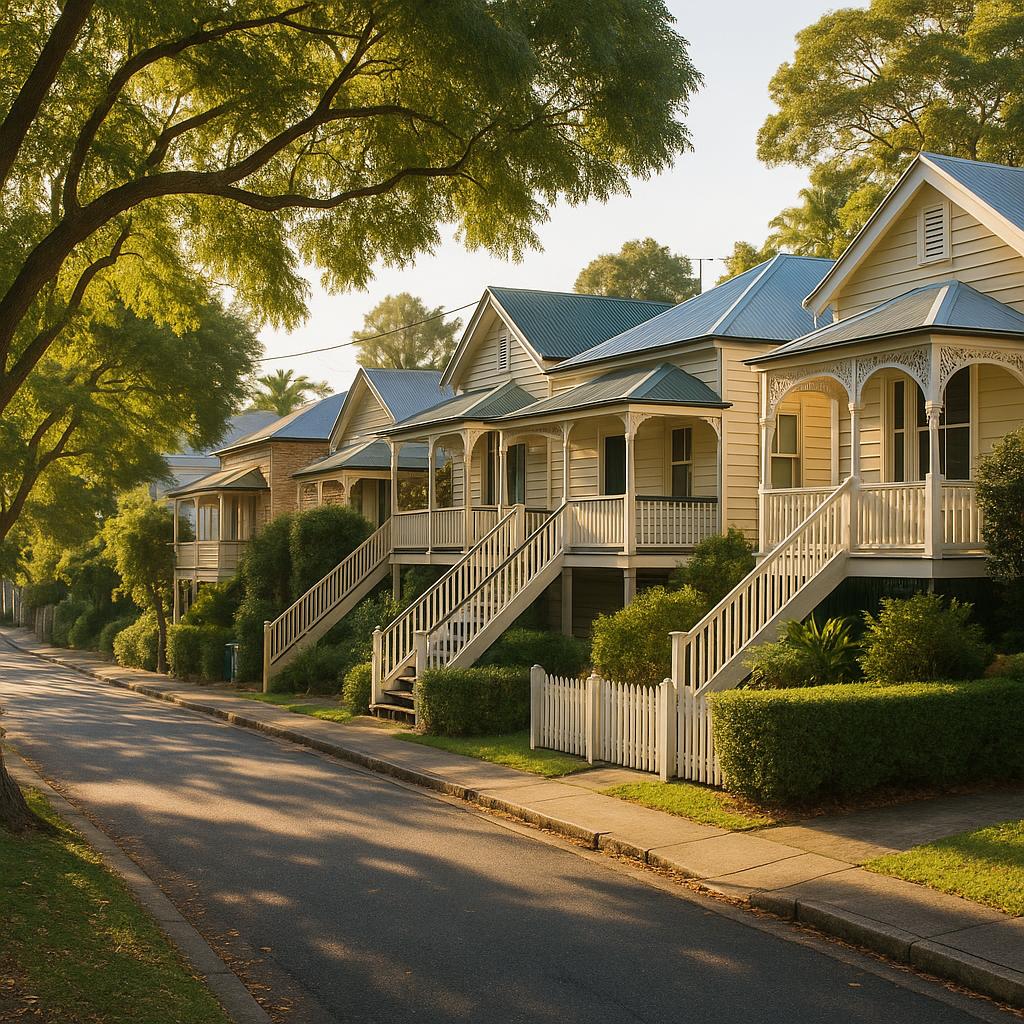
Paddington is an inner-Brisbane suburb best known for its traditional Queenslanders, leafy streets, and tightly held character pockets. For buyers, that combination usually means the appeal is emotional as well as practical: people are not just buying a house, they are buying a streetscape, a lifestyle, and a sense of place.
The market tends to reward homes that feel authentic but functional. Renovated cottages, well-kept older homes, and low-maintenance alternatives can all perform differently, so the “best” asset depends on whether you want capital growth potential, convenience, or a simpler holding profile.
Paddington also behaves like a mature, supply-constrained suburb. When comparable homes are scarce and the presentation is strong, competition can be sharp. That makes due diligence important, especially around the quality of renovations, access, slope, and the real usability of the floorplan.
Buyer Demand
Buyer demand is typically driven by owner-occupiers first, then investors who understand lifestyle-led suburbs. Professionals, downsizers, and families often compete for homes that balance charm with practical features such as parking, natural light, outdoor space, and a workable layout.
Competition is usually strongest for properties that reduce future hassle: renovated homes, move-in-ready cottages, and well-positioned dwellings close to amenities. Buyers often pay for certainty here, so homes needing major remediation can still sell well, but only if the value-add story is clear and the risks are visible.
Rental Market
Paddington’s rental appeal is usually supported by its location and its image. Professional tenants and couples often favour the suburb because it feels established, convenient, and distinctive, with enough amenity to make weekday life easier.
For investors, the main question is not simply “Will it rent?” but “What kind of tenant will it attract, and at what holding cost?” Renovated homes and practical units tend to be easier to lease, while older dwellings can be strong performers if they offer parking, privacy, and a layout that suits modern living.
Lifestyle, Transport & Schools
Paddington’s lifestyle appeal comes from its mix of cafes, boutique retail, dining, and character streets rather than a single big-ticket feature. That everyday convenience matters because many buyers choose the suburb to reduce friction in their weekly routine.
Transport suitability depends on your lifestyle and work pattern. Inner-Brisbane access is a major draw, but parking can be a real consideration, and some streets are busier or less convenient than buyers expect. It is worth testing the commute, parking, and access before you commit to a property.
Paddington (Qld) Suburb Profile
Official 2021 Census snapshot for the ABS Suburbs and Localities geography.
Age profile
Housing tenure
Occupied private dwellings by tenure type.
Salary & income profile
Median total income reported in the Census.
*Annual figures are weekly median × 52 estimates, not separate ABS annual medians.
Education & qualifications
Highest educational attainment, people aged 15+.
Employment status
People aged 15+ who reported being in the labour force.
Industry of employment
Top responses among employed people aged 15 years and over.
Occupation profile
Broad occupation groups among employed residents, including managers.
Families usually assess schools, childcare, and daily logistics alongside the home itself. Rather than assuming a suburb name guarantees family suitability, check current catchments, travel times, and whether the property layout actually supports family living.
Property Type Guide
- Queenslanders and character cottages: Best for buyers who value charm, land feel, and renovation upside, but expect maintenance.
- Renovated heritage-style homes: Best for buyers who want lifestyle appeal and reduced immediate work, though pricing can reflect that convenience.
- Units and apartments: Best for lower-maintenance living or entry into the suburb, with closer attention needed on strata and parking.
- Townhouses and compact alternatives: Best for buyers seeking a compromise between convenience and upkeep, but often with less land appeal.
Risks & Watch-Outs
- Older homes can hide expensive repair issues, so a building and pest inspection is essential.
- Steep blocks, drainage issues, and awkward access can affect liveability and future resale appeal.
- Heritage or character overlays may limit the kind of renovations you can undertake.
- Beautiful presentation can distract buyers from poor layout, limited storage, or weak natural light.
- Emotional bidding is common in sought-after inner suburbs, so set a price ceiling before inspecting.
Nearby Suburbs to Compare
- Red Hill
- Milton
- Auchenflower
- Bardon
- Toowong
FAQ
Is Paddington better for buyers or investors?
Paddington can suit both, but it often favours buyers who want lifestyle and long-term liveability. Investors can do well when they focus on tenant appeal, maintenance, and parking rather than chasing the lowest entry price.
What type of property is most desirable in Paddington?
Character homes and well-renovated cottages usually draw the most interest because they combine charm with usability. That said, the “best” type depends on your goal: a downsizer may prefer a low-maintenance home, while a renovator may want upside.
Should I worry about maintenance in older Paddington homes?
Yes, older homes often need more ongoing care than newer properties. Check roofing, wiring, drainage, stump or foundation issues, and any prior renovations carefully, because cosmetic updates do not always mean the underlying structure is in good condition.
Is Paddington suitable for families?
It can be, especially for families who value inner-city convenience and established streets. The key is to check practical factors such as school access, outdoor space, parking, and whether the floorplan actually works for everyday family life.
What should investors verify before buying in Paddington?
Investors should assess tenant demand, maintenance requirements, strata settings if relevant, parking, and the quality of local comparables. It is also wise to compare asking rents and recent leased listings rather than relying on suburb reputation alone.
Conclusion
Paddington is a premium-style inner suburb where lifestyle, character, and convenience shape demand. It can be an excellent fit for buyers who appreciate older housing and understand the trade-offs, and for investors who prioritise resilient tenant appeal. The smartest approach is to compare property types, inspect carefully, and buy with your long-term use case in mind.
Sources & How to Verify
- Check current listings and sold evidence on Domain to see how Paddington properties are actually presented, priced, and negotiated today.
- Review comparable sales on realestate.com.au so you can compare property type, condition, and street positioning rather than relying on suburb averages.
- Use the Australian Bureau of Statistics for broader demographic and housing context if you want to understand who typically lives in the area.
- Check planning and property rules through Brisbane City Council to confirm zoning, overlays, and any constraints that may affect renovation plans.
- Verify school catchments and enrolment information on the Queensland Government education site before assuming a property suits a family strategy.
- Inspect public transport options and service changes on Translink to confirm route practicality for your commute and day-to-day travel.
- Review suburb-level market commentary from CoreLogic for additional trend context, but always cross-check with current listings and local agent evidence.
- Where a property is older, ask a licensed building inspector to verify condition on-site, because photographs and listing copy often understate maintenance risk.