Quick Answer
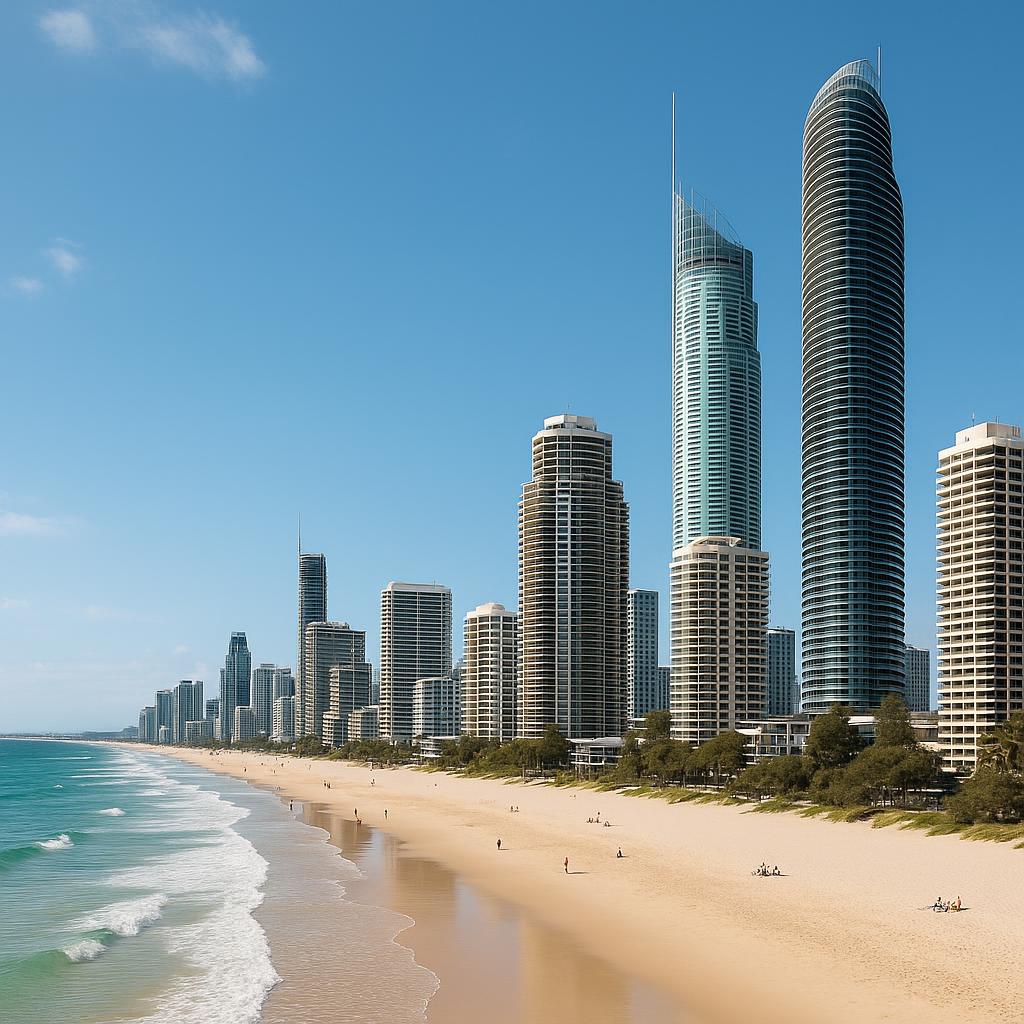
Surfers Paradise is best understood as a high-density, apartment-led market where lifestyle, building quality, and strata rules matter more than land size. It can suit buyers who want coastal convenience and investors who understand tenancy mix, occupancy rules, and body corporate costs. The suburb’s brand is strong, but the right purchase depends on choosing the right tower, aspect, and ownership structure rather than simply buying in the postcode.
Key Takeaways
- Surfers Paradise is an apartment-first market where building quality and governance can materially influence value and resale outcomes.
- Demand comes from owner-occupiers, downsizers, interstate buyers, and investors, so asset fit matters more than a generic suburb view.
- Walkability, beach access, view corridors, and noise exposure often affect buyer interest more than internal size alone.
- Rental performance depends on tenancy rules, furnishing level, parking, and whether the building suits long-term or short-stay demand.
- Due diligence should focus on strata records, bylaws, maintenance history, and comparable sales within the same building cluster.
Pros & Cons
Pros
- Iconic coastal location with strong buyer recognition.
- Broad appeal to lifestyle purchasers and multiple tenant profiles.
- Low-maintenance apartment living compared with detached housing.
Cons
- Body corporate costs and building rules can limit flexibility.
- Noise, density, and tourism activity may not suit every occupant.
- Outcomes vary sharply by tower, aspect, and management quality.
Market Overview
Surfers Paradise is the Gold Coast’s flagship beachside apartment market, with a mix of permanent residents, holiday accommodation, and investment-grade stock. The suburb’s profile is shaped by towers, not acreage, so buyers should think in terms of building reputation, outlook, common-area quality, and the practical experience of living in a dense coastal precinct.
Micro-location matters here. Beachfront apartments, river-facing buildings, and properties close to the core retail and entertainment strip can behave very differently from quieter edge-of-precinct units. Two apartments of similar size may attract very different buyer interest depending on view, floor level, parking, lift access, and the building’s maintenance standard.
For investors and homeowners, the key market question is not whether Surfers Paradise is popular. It is which asset type best suits the likely exit buyer and the intended holding strategy. In this suburb, the building often drives the result as much as the address itself.
Buyer Demand
Buyer demand is broad, but not interchangeable. Owner-occupiers often want a beachside lifestyle with easy access to dining, transport, and everyday services. Downsizers and second-home buyers usually prioritise convenience, low maintenance, and security over land content.
Investors are drawn to the suburb’s brand, rental liquidity, and the possibility of strong tenant interest from professionals, couples, remote workers, and holiday-focused demand. The strongest buyers usually focus on practical details: aspect, floor height, parking, storage, building management, and whether the tenancy rules support their strategy.
Rental Market
Surfers Paradise generally offers a rental market with multiple demand streams, which is helpful for investors who want flexibility. Well-located apartments near the beach, transport, and entertainment precincts typically have the widest appeal, especially when they are well presented and easy to maintain.
Long-term letting can suit owners who want steadier management and lower turnover, while short-stay or holiday letting may only be viable where the building’s bylaws, management structure, and local compliance requirements allow it. Before buying, verify the letting model in the specific complex rather than assuming the suburb supports every strategy.
Lifestyle, Transport & Schools
Lifestyle is one of Surfers Paradise’s main selling points. Residents gain access to beach living, coastal walks, dining, nightlife, and entertainment, all within a highly walkable urban environment. That energy is a genuine asset for some buyers and a drawback for others, so it is worth deciding early whether you want vibrancy or calm.
Transport is another practical strength. Walkability and public transport access support both residents and tenants, especially those who do not want to rely on a car every day. Parking remains important, though, because congestion and limited storage can affect usability and resale interest.
For schools, families should verify current catchments, commute times, and suitability directly rather than relying on suburb stereotypes. Surfers Paradise tends to be more compelling for singles, couples, downsizers, and investors than for buyers seeking a traditional detached-house family profile.
Surfers Paradise Suburb Profile
Official 2021 Census snapshot for the ABS Suburbs and Localities geography.
Age profile
Housing tenure
Occupied private dwellings by tenure type.
Salary & income profile
Median total income reported in the Census.
*Annual figures are weekly median × 52 estimates, not separate ABS annual medians.
Education & qualifications
Highest educational attainment, people aged 15+.
Employment status
People aged 15+ who reported being in the labour force.
Industry of employment
Top responses among employed people aged 15 years and over.
Occupation profile
Broad occupation groups among employed residents, including managers.
Property Type Guide
- Apartments: The dominant stock type, suited to low-maintenance buyers and investors who want location over land.
- High-rise and resort-style units: Often appeal to lifestyle buyers, but higher levies and complex rules can reduce flexibility.
- Older apartments: Can offer renovation upside, but inspect common areas, services, and deferred maintenance carefully.
- Premium view apartments: Typically attract stronger lifestyle demand, with outlook, privacy, and floor height acting as key value drivers.
- Strategy fit: Buy-to-live should prioritise comfort and quiet; buy-to-rent should prioritise tenant appeal and easy leasing; buy-and-hold should prioritise building governance.
Risks & Watch-Outs
- Body corporate levies, special levies, and building fund contributions can materially change holding costs.
- Noise, tourist traffic, and high-density living may reduce appeal for some occupants and long-term tenants.
- Holiday letting, pets, renovations, and occupancy rules can be tightly controlled by bylaws.
- Older towers may have deferred maintenance, lift issues, or common-area wear that affects value and livability.
- Short-stay income should be tested carefully, because occupancy and management effort can differ sharply from expectations.
Nearby Suburbs to Compare
- Broadbeach
- Southport
- Main Beach
- Chevron Island
- Miami
FAQ
Is Surfers Paradise a good place to buy property?
Yes, if your goal is apartment-led coastal living, broad tenant appeal, or a lifestyle asset with strong brand recognition. It is less suitable if you want land content, quiet streets, or a conventional suburban house-and-yard model.
Is Surfers Paradise better for buyers or investors?
It can suit both, but success depends on buying the right building and choosing the right strategy. Homeowners should prioritise liveability, while investors should focus on tenant demand, fees, and letting rules.
What property types are most common in Surfers Paradise?
Apartments dominate the suburb, especially high-rise and resort-style stock. Detached housing is limited by comparison, so buyers need to assess apartments through strata, amenity, and building condition rather than land size.
Can I do short-term rental in Surfers Paradise?
Possibly, but it depends on the specific building, strata bylaws, management arrangements, and local compliance settings. Always confirm the letting model before purchase, because not every tower permits the same use.
What should investors check before buying?
Review strata financials, minutes, levies, bylaws, tenant demand, parking, security, and comparable sales in the same building or nearby towers. In Surfers Paradise, the building itself can matter more than the suburb label.
Conclusion
Surfers Paradise is a strong brand suburb with real appeal for lifestyle buyers and investors, but the market is highly building-sensitive. The smartest purchases usually combine a good location, a well-run tower, and a clear ownership strategy. If you verify the rules, costs, and comparable demand before you buy, the suburb can reward disciplined decision-making.
Sources & How to Verify
- Check current listings and recent comparable sales on Domain so you can compare the exact apartment, tower, and view you are buying.
- Review realestate.com.au for rental listings, days-on-market context, and how well similar units are being presented.
- Use Gold Coast City Council information to confirm local planning, zoning, and any development activity that may affect the precinct.
- Check Queensland body corporate guidance to understand levies, bylaws, and owner obligations before committing to a strata property.
- Verify catchments and schooling options through the Queensland schools directory rather than relying on outdated suburb impressions.
- Inspect transport access and service patterns using Translink, especially if walkability and tram or bus convenience are part of your decision.
- Compare health and amenity access through Gold Coast Health if proximity to medical services matters to your household or tenant profile.
- Ask the selling agent or strata manager for current building records, because Surfers Paradise outcomes often turn on maintenance history, rules, and the financial position of the scheme.