Quick Answer
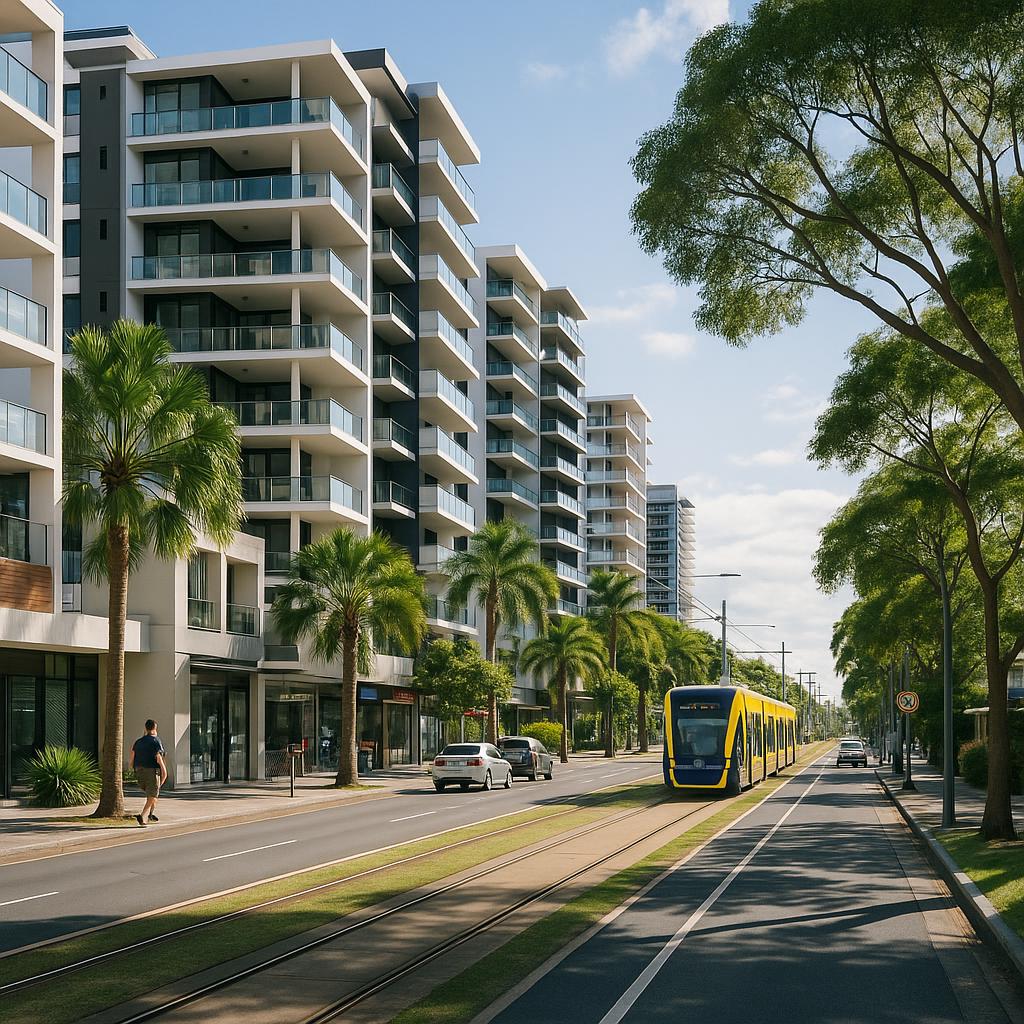
Southport is a central Gold Coast suburb that suits buyers who value convenience, transport access, health and education precincts, and a broad tenant base more than beachside prestige. It tends to appeal to investors, downsizers, professionals, and first-home buyers who are comfortable with apartment-led living and urban density. The best result usually comes from choosing the right pocket and property type, not just buying “Southport” in name alone.
Key Takeaways
- Southport is a major activity centre, so its market is driven by convenience, services, and access rather than only lifestyle appeal.
- Demand often comes from a mix of owner-occupiers, investors, students, downsizers, and workers linked to the local employment base.
- Apartments and townhouses are prominent, so building quality, strata costs, and layout efficiency matter more than in house-heavy suburbs.
- Rental appeal is supported by transport, education, health, and commercial precincts, but each building’s condition can change outcomes materially.
- Buyers should compare Southport with nearby suburbs if they want more land, more prestige, or a stronger beach-oriented lifestyle.
Pros & Cons
Pros
- Central location with strong access to transport, services, and employment nodes
- Broad appeal across occupiers and tenants, which can support resale and leasing depth
- Useful for low-maintenance living and value-focused Gold Coast buyers
Cons
- Apartment-heavy stock means strata costs and building quality need close scrutiny
- Some streets and pockets are busier, denser, or more mixed in feel than buyers expect
- It is not a quiet beach enclave, so lifestyle expectations need to match the urban setting
Market Overview
Southport is one of the Gold Coast’s key civic and commercial centres, so it behaves differently from a purely residential or beachside suburb. That matters for buyers because the market is shaped by access to services, employment, health infrastructure, education, and transport, not just coastal amenity.
The suburb has a mixed housing profile, with many apartments, some townhouses, and fewer detached homes in the more convenient pockets. For investors and homeowners, the crucial question is not simply whether Southport is “good”, but whether the specific property suits the likely end user and the ongoing costs of ownership.
In practical terms, Southport often rewards buyers who want functionality first. If you are comparing it with a beachier suburb, you are usually deciding between daily convenience and lifestyle prestige. That trade-off should guide your inspection, due diligence, and exit strategy.
Buyer Demand
Demand in Southport is broad because the suburb serves multiple buyer groups at once. Owner-occupiers want access to amenities and connectivity, while investors like the depth of the renter pool. Downsizers often look for lower-maintenance living close to services, and younger buyers may see it as a practical entry point to the Gold Coast market.
The strongest purchases usually match the buyer profile to the asset. A well-located apartment with practical parking, good natural light, and a sensible layout can be more attractive than a cheaper but awkward unit in a weaker building. In Southport, micro-location and building quality often matter more than a generic suburb label.
Rental Market
Southport tends to attract renters who prioritise convenience: students, workers, couples, shared households, and some downsizers between homes. That diversity can help investors because demand is not dependent on one narrow lifestyle segment. Proximity to transport, education, and health services often matters as much as the rent itself.
For leasing performance, the details count. Parking, lift access, noise exposure, building presentation, and strata restrictions can materially affect enquiry levels. A clean, well-kept apartment in the right pocket may lease faster and to a stronger tenant profile than a larger but less practical property elsewhere in the suburb.
Lifestyle, Transport & Schools
Southport offers an urban, service-rich lifestyle with coastal access nearby rather than a resort-style beachfront feel. That makes it attractive to people who want to live close to everyday essentials: retail, dining, health services, community facilities, and employment. It is a practical lifestyle choice, which is exactly why it has enduring appeal for some buyers.
Transport connectivity is one of the suburb’s defining strengths. Buyers and renters who rely on public transport, want easier mobility around the Gold Coast, or prefer reduced car dependence often rate Southport highly. If you are comparing properties, check walk time to key transport options, traffic patterns around the street, and how easy it is to park.
School access should be assessed based on your family needs and the exact address, not just the suburb name. For homeowners, education options can support long-term liveability. For investors, nearby schooling can broaden the pool of tenant types and future resale interest, especially for households that want practical daily routines.
Southport (Qld) Suburb Profile
Official 2021 Census snapshot for the ABS Suburbs and Localities geography.
Age profile
Housing tenure
Occupied private dwellings by tenure type.
Salary & income profile
Median total income reported in the Census.
*Annual figures are weekly median × 52 estimates, not separate ABS annual medians.
Education & qualifications
Highest educational attainment, people aged 15+.
Employment status
People aged 15+ who reported being in the labour force.
Industry of employment
Top responses among employed people aged 15 years and over.
Occupation profile
Broad occupation groups among employed residents, including managers.
Property Type Guide
- Apartments: Often the most common product in Southport. Best for investors, singles, couples, and downsizers who value low maintenance. Check strata fees, building age, natural light, parking, and management quality.
- Townhouses: A useful middle ground for buyers wanting more space than an apartment but less upkeep than a house. Prioritise storage, outdoor usability, sound transfer, and body corporate rules.
- Detached houses: Scarcer in many parts of the suburb, which can support long-term appeal if the land is functional. Inspect renovation potential, street context, and whether the dwelling suits family or owner-occupier demand.
Risks & Watch-Outs
- Do not buy on suburb name alone; Southport varies significantly by pocket, street, and building type.
- Always review body corporate documents, because special levies, maintenance backlogs, and rules can change affordability.
- Older apartments may look attractive on price but can carry hidden costs in repairs, amenities, and future capital works.
- Traffic, density, and mixed-use activity can affect liveability, especially for buyers expecting a quieter residential feel.
- Parking, storage, and access can be decisive for tenants and owner-occupiers, so treat them as core value factors.
Nearby Suburbs to Compare
- Surfers Paradise
- Southport East
- Bundall
- Main Beach
- Labrador
- Benowa
FAQ
Is Southport a good suburb for investors?
It can be, provided you buy the right asset. Southport’s appeal comes from broad renter demand and strong convenience, but investors still need to assess strata costs, building quality, parking, and the likely tenant profile before committing.
Is Southport suitable for first-home buyers?
Yes, especially for buyers who prefer convenience and low-maintenance living over a large yard. The key trade-off is that apartments and townhouses may offer less space, so buyers should weigh lifestyle fit against long-term flexibility.
What property type usually works best in Southport?
There is no single best option. Apartments often suit investors and downsizers, townhouses can suit smaller households wanting a bit more space, and detached houses are attractive when land, privacy, and scarcity matter more than convenience.
Is Southport family-friendly?
It can be, depending on the exact pocket and dwelling type. Families need to balance school access, transport, and services against noise, density, and the practicality of the floorplan. A townhouse or house may suit better than a compact apartment.
What should buyers check before purchasing in Southport?
Inspect the building or home carefully, review strata if relevant, check parking and storage, understand the street’s traffic and noise profile, and compare the property with nearby alternatives. The right due diligence matters more here than in simpler housing markets.
Conclusion
Southport suits buyers who want centrality, convenience, and access to the Gold Coast’s major services. It is not a one-size-fits-all suburb, so the winning strategy is to match the property type and pocket to your purpose. For many buyers and investors, that means focusing on liveability, building quality, and long-term usability rather than chasing the lowest price.
Sources & How to Verify
- Check current listings on Domain to see what property types, layouts, and finish levels are actually available in Southport right now.
- Review comparable sales on realestate.com.au so you can judge how similar properties are being marketed and sold rather than relying on old estimates.
- Use the ABS to confirm broad demographic and household characteristics if you want a current context for demand drivers.
- Check local planning and infrastructure updates through the City of Gold Coast to understand zoning, upgrades, and precinct changes that may affect livability.
- Verify transport access and service changes on Translink before assuming commute times, routes, or frequency from an old map or article.
- Confirm school zoning and enrolment details on the Queensland state school catchment map, because catchments can materially influence buyer demand.
- Review apartment-specific risks using strata documents, including budgets, sinking fund balances, and building notices, before you treat a unit as a simple buy-and-hold asset.
- Cross-check active rental listings on major portals to verify asking rent, tenant competition, and what presentation standard is needed to stay competitive.