Quick Answer
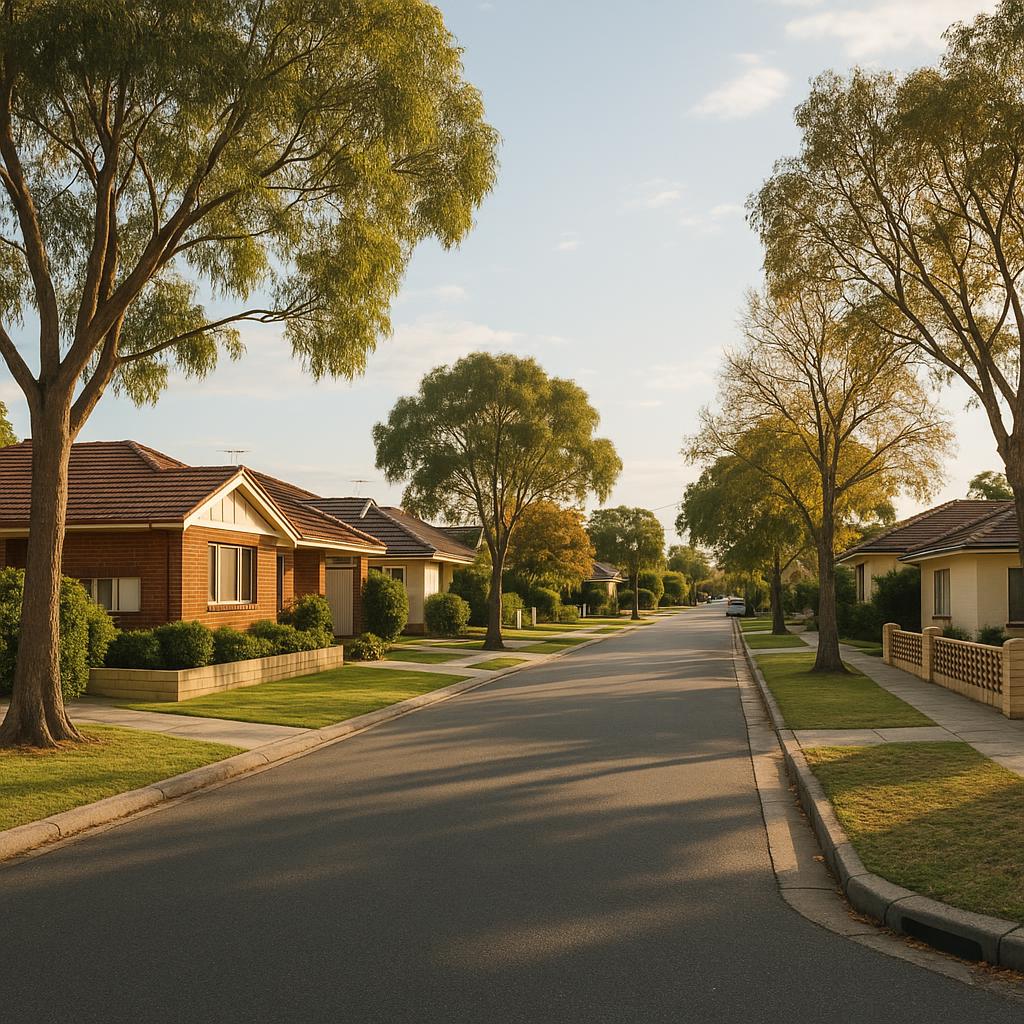
Yokine WA is an established northern Perth suburb that appeals to buyers who want convenience, older housing stock, and everyday liveability rather than a brand-new estate feel. It can suit owner-occupiers who value location and potential to improve over time, and investors who want broad tenant appeal with careful attention to condition, maintenance, and renovation scope. The best results usually come from comparing streets closely, inspecting thoroughly, and verifying current market evidence before bidding.
Key Takeaways
- Yokine is best viewed as an established, well-located suburb where housing quality and street position can matter more than the suburb name alone.
- Buyer demand usually comes from convenience, amenity, and the chance to secure a home with character or improvement potential.
- Investor appeal tends to come from a broad tenant pool, practical access to services, and homes that are easy to maintain.
- Older dwellings can be an advantage if they are solid and functional, but they can also bring hidden repair and upgrade costs.
- The right purchase strategy depends on whether you prioritise lifestyle, rental stability, renovation upside, or long-term holding flexibility.
Pros & Cons
Pros
- Established suburban setting with a practical mix of character homes, renovated dwellings, and low-maintenance options.
- Broad appeal for families, couples, downsizers, and investors who value convenience and a central-western north-side location.
- Potential value uplift if you buy a solid older property and improve presentation, layout, or functionality.
Cons
- Older housing stock can mean maintenance, hidden defects, and higher upfront inspection scrutiny.
- Not every property will suit buyers wanting a turnkey, modern, low-upkeep home.
- Well-presented homes can be more competitive, so buyers need finance and due diligence ready.
Market Overview
Yokine sits in the category of established Perth suburbs where location, land, and liveability often drive interest more than flashy new development. It is commonly assessed alongside nearby inner-northern areas because buyers want access, amenity, and a house-and-land feel without moving too far out.
The suburb’s market profile is shaped by older dwellings, renovation-friendly stock, and pockets that can appeal differently depending on street appeal and presentation. That means two similar-looking homes can attract very different interest if one has a better floorplan, better upkeep, or stronger outdoor usability.
For buyers, the practical question is not just “Is Yokine good?” but “Which part of Yokine and which dwelling type suits my budget and strategy?” For investors, the question is whether the property will remain easy to lease, affordable to maintain, and resilient over time. Use recent comparable sales, current listings, and a building inspection to separate suburb reputation from property reality.
Buyer Demand
Yokine generally attracts buyers who want everyday convenience and an established streetscape. That often includes families looking for practicality, first-home buyers willing to improve a home gradually, and downsizers who prefer a familiar suburb with decent amenity.
Demand tends to be strongest for homes that are neat, functional, and easy to live in from day one. Properties with obvious renovation upside can still perform well, but buyers will usually price in the work required, so presentation, layout, and usable outdoor space matter.
Rental Market
For renters, Yokine can work well because it offers an established suburb feel with practical access to daily needs. Homes that are clean, secure, and easy to maintain generally have a better chance of attracting stable tenants than properties that are merely well-located on paper.
For investors, the key is to budget for upkeep and avoid over-improving beyond local tenant expectations. In this style of suburb, fresh paint, durable finishes, good lighting, and a sensible layout often do more for leasing appeal than expensive design features.
Lifestyle, Transport & Schools
Yokine’s lifestyle appeal comes from being settled and functional. Buyers often value local parks, access to shopping and services, and the feeling of living in a suburb with a long-established residential character rather than a high-turnover growth area.
Transport convenience is another reason people shortlist the suburb. Road access is important for both commuters and households juggling work, school, and daily errands. Before buying, check how your actual street feels at peak times, including parking pressure and traffic flow.
School access can influence family demand, but buyers should verify catchments and enrolment rules directly through official sources rather than relying on assumptions. The same is true for walkability: a suburb can look convenient on a map yet feel very different once you test the route yourself.
Yokine Suburb Profile
Official 2021 Census snapshot for the ABS Suburbs and Localities geography.
Age profile
Housing tenure
Occupied private dwellings by tenure type.
Salary & income profile
Median total income reported in the Census.
*Annual figures are weekly median × 52 estimates, not separate ABS annual medians.
Education & qualifications
Highest educational attainment, people aged 15+.
Employment status
People aged 15+ who reported being in the labour force.
Industry of employment
Top responses among employed people aged 15 years and over.
Occupation profile
Broad occupation groups among employed residents, including managers.
Property Type Guide
- Older character homes: Best for buyers who want land, charm, and renovation upside. Inspect carefully for structural, moisture, and maintenance issues.
- Renovated family homes: Best for buyers wanting convenience and fewer immediate tasks. These usually suit owner-occupiers and low-stress investors.
- Low-maintenance dwellings and duplex-style stock: Best for downsizers or investors who value easier upkeep, but check privacy, parking, and storage.
- Block-based opportunities: Best for experienced buyers who understand feasibility, planning controls, and holding costs. Verify zoning before assuming future potential.
- Selection rule: Choose for lifestyle if you want comfort and ease; choose for investment if you want tenant appeal and maintenance control; choose for upside if the land and structure justify the work.
Risks & Watch-Outs
- Older-home maintenance: roofs, plumbing, wiring, drainage, and general wear can create hidden costs that change your budget quickly.
- Overcapitalising: premium finishes do not always translate into premium resale value, especially if the surrounding stock is more modest.
- Street-by-street variation: one pocket can feel very different from another, so inspect the immediate area rather than relying on the suburb label.
- Layout inefficiency: some older homes look appealing but function poorly, which can reduce livability and leasing appeal.
- Inspection surprises: cosmetic updates can hide bigger issues, so use independent building and pest reports before committing.
Nearby Suburbs to Compare
If you are comparing Yokine with nearby areas, look at Tuart Hill, Joondanna, Dianella, North Perth, and Menora to test location, housing style, and likely maintenance burden.
FAQ
Is Yokine a good suburb for first-home buyers?
It can be, especially for buyers who prioritise location and are open to gradual improvement. Yokine is more suited to people who can handle older housing stock, building inspections, and a realistic renovation budget rather than those wanting a brand-new, low-maintenance purchase.
Is Yokine a good suburb for investors?
It can work well for investors who focus on tenant appeal, practical location, and manageable upkeep. The key is buying a property that is easy to lease and maintain, rather than assuming the suburb name alone will guarantee strong results. Check current rental evidence first.
What type of property performs best in Yokine?
That depends on strategy. Renovated, functional homes generally suit owner-occupiers and tenant demand, while older homes can suit buyers wanting upside. The best-performing property is usually the one with a sensible layout, good presentation, and a clear plan for use.
Should I buy a house or a low-maintenance dwelling in Yokine?
If you want land value and renovation flexibility, a house may suit you better. If you want lower upkeep and simpler ownership, a duplex-style or smaller dwelling may be more practical. Compare holding costs, parking, storage, and long-term resale appeal.
What should I inspect before buying in Yokine?
Inspect the structure, roof, drainage, plumbing, electrical condition, and the overall usability of the floorplan. Also check the immediate street, parking, noise, and renovation quality. A property that looks good online can still be expensive to hold if hidden issues are present.
Conclusion
Yokine is a practical, established Perth suburb where the best purchase usually comes from matching the property to your strategy, not chasing the suburb name alone. Buyers should focus on condition, layout, and street quality; investors should focus on tenant appeal, maintenance control, and realistic numbers. If you verify the details properly, Yokine can be a sensible long-term choice.
Sources & How to Verify
- Check current sold prices and listing history on Domain so you are comparing live evidence rather than relying on stale market commentary.
- Review rental listings and available stock on realestate.com.au to see how properties are actually being presented and priced.
- Use Your Investment Property or similar research tools to cross-check suburb-level trends, then confirm them with recent local sales.
- Verify zoning, planning controls, and development constraints through the WA Planning resources before assuming a block has future redevelopment potential.
- Check local government information via the City of Stirling to understand council rules, local amenity, and area-specific considerations.
- Confirm school catchments and enrolment rules through the WA Department of Education rather than relying on third-party assumptions or outdated boundary maps.
- Use Transperth to verify route practicality, service patterns, and commute convenience from the specific street you are considering.