Quick Answer
Tuart Hill is a practical inner-northern Perth suburb that tends to suit buyers who prioritise convenience, established streets, and broad day-to-day liveability over prestige or large landholdings. For investors, the suburb’s appeal usually comes from its accessible location and tenant-friendly stock rather than speculative hype. The best outcomes generally come from choosing the right dwelling type, checking the condition closely, and comparing street-by-street differences before making an offer.
Key Takeaways
- Tuart Hill often appeals to buyers who want a central, established suburb with everyday practicality.
- Older housing stock can create value opportunities, but condition and layout matter more than suburb name alone.
- Well-presented, low-maintenance homes usually attract stronger buyer and tenant attention.
- Villas, units, and smaller homes can be especially useful for investors and downsizers.
- Due diligence on strata, zoning, parking, and renovation quality is essential in this kind of market.
Pros & Cons
Pros
- venient inner-northern location for commuting and errands
- Broad appeal to both owner-occupiers and renters
- Established suburb character with existing amenity and services
Cons
- Many homes are older, so maintenance and updates can be a factor
- Some properties have smaller blocks or limited outdoor space
- Strata and street-level variation can materially affect value and livability
Market Overview
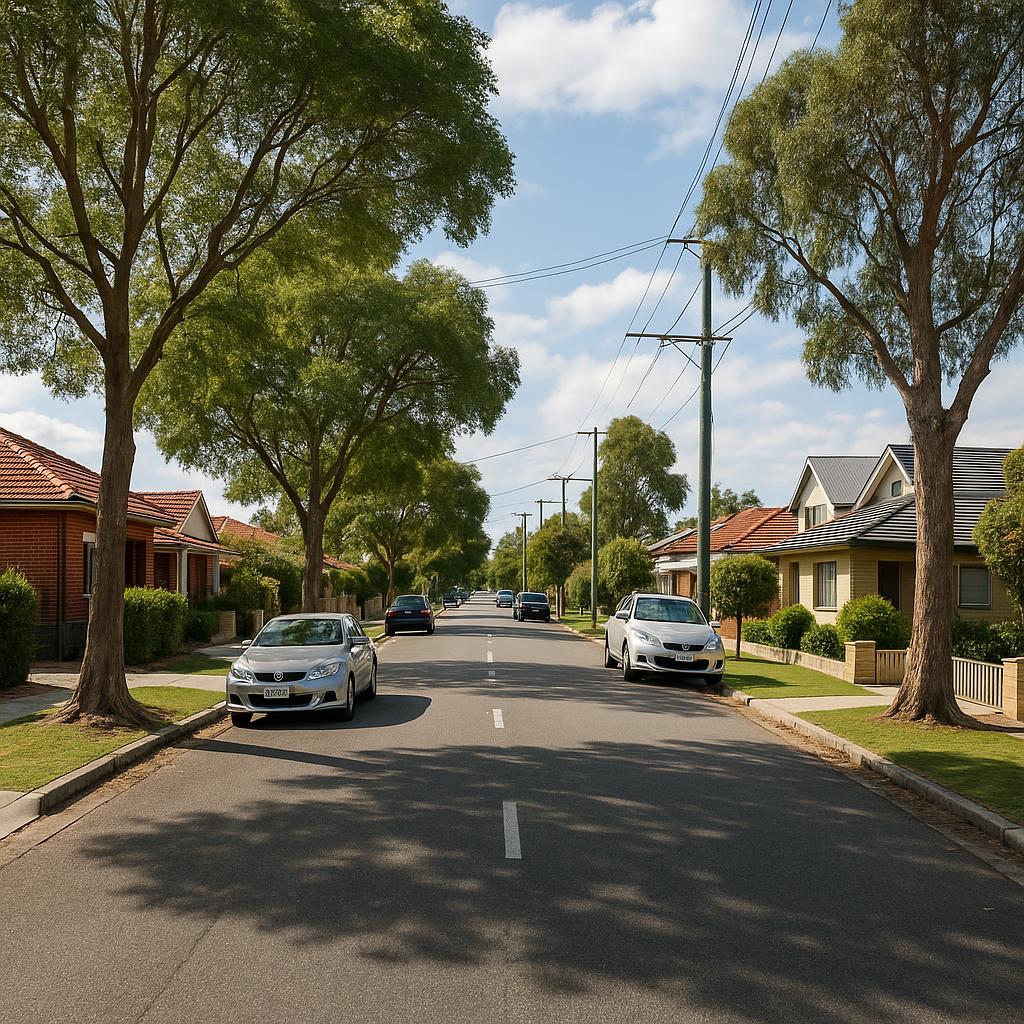
Tuart Hill sits in Perth’s inner-northern band and is typically considered a practical, established suburb rather than a prestige address. That matters because its value proposition is usually built around location efficiency, not glamour. Buyers often look here when they want access to central Perth, nearby employment hubs, and a well-settled residential feel without moving into the most expensive inner-ring pockets.
The housing mix is important. Tuart Hill commonly offers older houses alongside villas, duplex-style dwellings, and units, which means the market is shaped heavily by condition, land component, and presentation. In suburbs like this, two properties on the same street can behave very differently if one is renovated and the other still needs substantial work.
For that reason, Tuart Hill is best assessed property by property. A move-in-ready home with usable layout, parking, and solid maintenance may outperform a cheaper listing that appears appealing online but carries hidden repair or strata complexity.
Buyer Demand
Buyer demand here is usually supported by everyday practicality. Tuart Hill can appeal to first-home buyers wanting an accessible inner-ring entry point, downsizers seeking lower-maintenance living, and families who value established streets and proximity to services.
Investors and owner-occupiers both tend to respond well to homes that are neat, functional, and easy to live in. The suburb’s broad appeal is a strength, but it also means buyers should be disciplined: the best property is not always the cheapest, and the best value is not always the biggest block.
Rental Market
Tuart Hill can suit investors who want a tenant pool that values convenience and low-maintenance living. The most leaseable properties are often those with practical layouts, good parking, tidy presentation, and manageable upkeep. Tenants typically respond to usability first and suburb branding second.
Because rental demand is usually influenced by location and condition, a renovated villa or clean unit may lease more easily than a dated house with awkward space. Investors should check current asking rents and vacancy behaviour on live listings before assuming an estimated figure will hold. The key is matching the dwelling to the likely renter profile.
Lifestyle, Transport & Schools
Tuart Hill’s lifestyle appeal is practical rather than flashy. It works for people who want to simplify weekday life: commuting, school drop-offs, shopping runs, and access to everyday services. That makes it attractive to households that value efficiency and familiarity more than a trend-driven lifestyle.
Transport connectivity is a major part of the suburb’s demand story. Buyers and tenants often trade a smaller lot or older dwelling for the convenience of easier access around Perth’s inner north. If you drive, parking and road access matter; if you rely on public transport, verify the nearest routes and travel times rather than relying on general assumptions.
School access can also matter, especially for family buyers and longer-term tenants. However, zoning and enrolment boundaries can change, so check current catchment information directly with the relevant education authorities or schools. For many households, the real question is whether the suburb supports a stable, workable routine rather than whether it has a headline “prestige” profile.
Tuart Hill Suburb Profile
Official 2021 Census snapshot for the ABS Suburbs and Localities geography.
Age profile
Housing tenure
Occupied private dwellings by tenure type.
Salary & income profile
Median total income reported in the Census.
*Annual figures are weekly median × 52 estimates, not separate ABS annual medians.
Education & qualifications
Highest educational attainment, people aged 15+.
Employment status
People aged 15+ who reported being in the labour force.
Industry of employment
Top responses among employed people aged 15 years and over.
Occupation profile
Broad occupation groups among employed residents, including managers.
Property Type Guide
- Houses: Better for buyers who want land control, renovation potential, or longer-term family use. Check structural condition and extension limits carefully.
- Villas/duplex-style dwellings: Often suit first-home buyers, downsizers, and investors who want lower maintenance with decent location value. Review strata obligations and parking.
- Units/apartments: Useful for lower entry budgets and tenant demand, but strata costs and building quality matter more than ever.
- Strategy fit: Owner-occupiers should prioritise layout, light, parking, and liveability; investors should prioritise ease of letting, maintenance simplicity, and resale flexibility.
Risks & Watch-Outs
- Older stock can carry hidden maintenance costs, particularly in roofing, plumbing, wiring, and moisture management.
- Cosmetic renovations may mask deeper issues, so inspect function as well as finish.
- Strata properties can include rules or costs that affect pets, parking, alterations, and ongoing ownership costs.
- Small blocks and compact layouts may reduce flexibility for future changes or family use.
- Street-by-street variation is real, so compare the specific pocket rather than relying on the suburb name alone.
Nearby Suburbs to Compare
Tuart Hill is often compared with nearby suburbs that offer similar convenience or a different balance of land, character, and accessibility. Useful comparisons include Joondanna, Glendalough, Dog Swamp, North Perth, and Menora. Compare them by housing type, commute convenience, renovation potential, and how much maintenance you are willing to take on.
FAQ
Is Tuart Hill good for first-home buyers?
It can be, especially if you want a practical inner-northern location and are happy to focus on the right dwelling type rather than chasing a large block. First-home buyers should compare houses, villas, and units carefully, because entry strategy matters more than suburb label alone.
Is Tuart Hill a good suburb for investors?
It can suit investors who value broad tenant appeal, low-maintenance stock, and accessible location. The best results usually come from choosing a property that is easy to lease, easy to maintain, and easy to resell. Check current listing activity before relying on any estimate.
What property type is usually best in Tuart Hill?
That depends on your goal. Houses can offer more flexibility, villas can provide a strong balance of convenience and lower upkeep, and units can suit a more budget-conscious strategy. In this suburb, condition and layout often matter as much as the title type.
How important is strata when buying here?
Very important for villas and units. Strata can affect fees, maintenance responsibilities, parking, pets, and renovation flexibility. Always read the by-laws and financial records before committing, because a well-located property can still be a poor fit if the strata setup is restrictive.
What should I inspect before buying in Tuart Hill?
Check the building condition, floor plan usability, parking, noise exposure, and any signs of costly maintenance. If it is a strata property, review the documents carefully. Also compare recent local sales and current listings so you understand what buyers are actually paying now.
Conclusion
Tuart Hill is best viewed as a practical, location-led suburb with broad appeal rather than a flashy market story. It can work well for both homeowners and investors, provided the property type, condition, and ownership structure match the plan. If convenience and established liveability matter to you, it deserves serious consideration.
Sources & How to Verify
- Check current sold comparables on Domain so you are not relying on outdated asking prices or headlines.
- Review current listings on realestate.com.au to understand property type, presentation, and buyer competition in real time.
- Use the Australian Bureau of Statistics for up-to-date demographic and household data, but interpret it as context rather than a prediction tool.
- Confirm zoning, planning controls, and local development matters with the City of Stirling before assuming a property can be extended or rebuilt as you expect.
- Verify school catchments and enrolment arrangements through the WA Department of Education instead of relying on informal suburb reputation.
- Inspect strata records, by-laws, and levies carefully because shared ownership can change the true holding cost of a villa or unit.
- Cross-check transport convenience by mapping actual commute times and nearby routes, then test them at the times you would normally travel.