Quick Answer
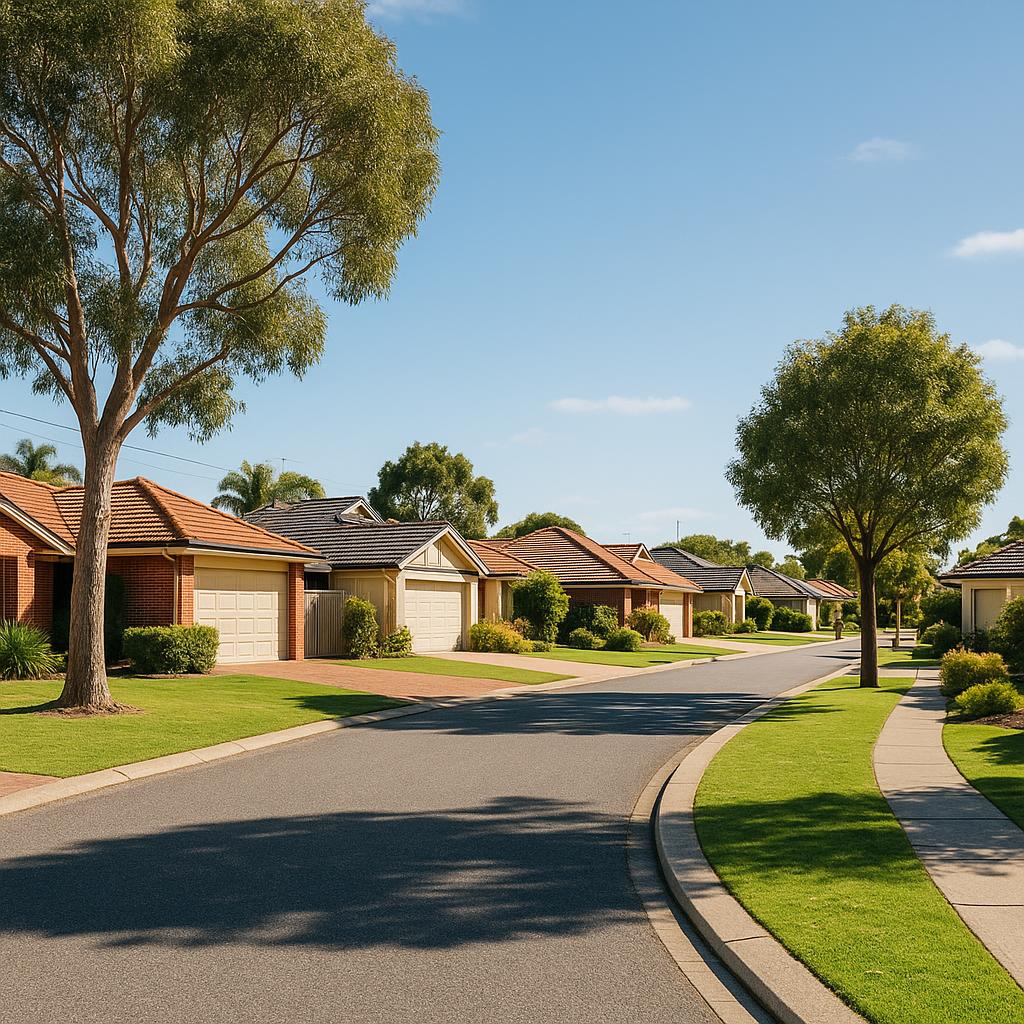
Wanneroo suits buyers and investors who want a practical northern Perth location with everyday convenience, family appeal, and a mix of older homes and newer pockets. It is generally better for value-focused house buying than for a high-density, walk-everywhere lifestyle. The best results usually come from choosing the right street, the right property type, and the right level of maintenance for your budget and strategy.
Key Takeaways
- Wanneroo is a broad suburban market, so micro-location matters more than the suburb name alone.
- It tends to suit buyers seeking space, convenience, and a family-oriented setting rather than inner-city density.
- Investors should prioritise low-maintenance homes with strong everyday appeal and simple upkeep.
- Rental demand is usually driven by practical needs: schools, commuting access, parking, and usable layouts.
- Due diligence should focus on condition, block usability, and nearby amenity rather than headline assumptions.
Pros & Cons
Pros
- Broad appeal to owner-occupiers and tenants.
- Practical suburban living with everyday convenience.
- Potential value advantage versus more central Perth areas.
Cons
- Not ideal for buyers wanting a highly urban lifestyle.
- Older stock can carry maintenance and renovation risk.
- Street-by-street quality can vary noticeably.
Market Overview
Wanneroo sits in Perth’s northern corridor and is typically approached as a practical suburban market rather than a prestige lifestyle pocket. It appeals to buyers who want room to move, usable family homes, and access to everyday services without paying inner-ring premiums. The suburb is not uniform; the market can behave quite differently depending on the age of the home, presentation, and proximity to local amenities.
For buyers, that means value is often found in the details: block usability, layout, street appeal, and repair burden. For investors, the same factors influence tenant interest and resale flexibility. A neat, functional home near daily conveniences will usually be easier to lease and resell than a larger property that needs ongoing work.
Wanneroo is best understood as a collection of micro-markets. Homes that look similar on paper can attract very different buyer groups once you account for traffic exposure, outdoor space, renovation level, and access to services. That is why suburb-wide generalisations can be misleading here.
Buyer Demand
Demand in Wanneroo is usually driven by practical needs: families wanting more space, first-home buyers seeking an achievable entry point, and investors looking for a broad tenant pool. Buyers often compare it with other northern suburbs when deciding whether they want more established housing, more recent stock, or a different lifestyle feel.
In practice, the homes that tend to attract attention are the ones that reduce friction. Functional layouts, decent parking, manageable yards, and solid presentation matter. A property does not need to be luxurious to be competitive; it needs to suit the way real households live.
Rental Market
Wanneroo can appeal to renters who want suburban convenience, space, and a more relaxed setting than denser inner-area alternatives. Family tenants often value practical layouts, nearby services, and the ability to run day-to-day life without excessive commuting or maintenance hassles.
For investors, the strongest rental candidates are usually low-maintenance homes with broad appeal rather than niche design features. Simple landscaping, easy-care finishes, and reliable parking can matter more than cosmetic upgrades. If you are assessing a buy, ask whether a typical local tenant would find it easy to live in, keep tidy, and afford to maintain.
Lifestyle, Transport & Schools
Lifestyle in Wanneroo is generally suburban and functional. Buyers often choose it for parks, family routines, local shopping, and a lower-density feel. It is not a suburb built around nightlife or a dense café strip; instead, its value is in convenience and livability.
Transport access matters because it shapes both owner-occupier demand and rental demand. Commuters want efficient road connections, and families want predictable school runs and weekend logistics. Readers should verify current public transport options, travel times, and route access using official sources rather than assumptions.
Schools are a major part of the decision for many buyers, especially families and long-term investors targeting stable tenant demand. Check catchments, enrolment rules, and nearby childcare or education options directly with official education sources, because boundaries and requirements can change.
Wanneroo Suburb Profile
Official 2021 Census snapshot for the ABS Suburbs and Localities geography.
Age profile
Housing tenure
Occupied private dwellings by tenure type.
Salary & income profile
Median total income reported in the Census.
*Annual figures are weekly median × 52 estimates, not separate ABS annual medians.
Education & qualifications
Highest educational attainment, people aged 15+.
Employment status
People aged 15+ who reported being in the labour force.
Industry of employment
Top responses among employed people aged 15 years and over.
Occupation profile
Broad occupation groups among employed residents, including managers.
Property Type Guide
- Older freestanding homes: Often suit buyers seeking larger blocks, character, or renovation upside, but inspect condition carefully.
- Updated family homes: Usually attract stronger owner-occupier interest because they reduce immediate work and uncertainty.
- Low-maintenance houses: Often best for investors who want simpler upkeep and broad tenant appeal.
- Infill or newer pockets: Can suit buyers prioritising lower maintenance, but compare land component and long-term flexibility.
- What to inspect: Check roof condition, plumbing, storage, outdoor usability, parking, and whether the layout fits everyday life.
Risks & Watch-Outs
- Do not treat Wanneroo as one uniform market; street quality and housing condition can differ sharply.
- Older homes may hide maintenance costs that erode returns or delay move-in readiness.
- A large block is not automatically better if it creates excessive upkeep or poor usability.
- Renovation spend should be tested against likely local buyer or tenant expectations, not wishful thinking.
- Check noise, traffic flow, and surrounding development patterns at different times of day before committing.
Nearby Suburbs to Compare
- Clarkson WA Property Market Guide: Buyers & Investors
- Butler WA Property Market Guide: Buyers & Investors
- Alkimos WA Property Market Guide: Buyers & Investors
- Ellenbrook WA Property Market Guide: Buyers & Investors
FAQ
Is Wanneroo a good suburb for first-home buyers?
Wanneroo can suit first-home buyers who want a more practical suburban setting with space and everyday convenience. The key is to focus on value, condition, and future upkeep rather than chasing cosmetic appeal alone.
Is Wanneroo a good suburb for investors?
It can be, provided the property is easy to maintain and attractive to a broad tenant pool. Investors should prefer layouts, locations, and finishes that support steady leasing rather than speculative renovation ideas.
What type of property performs best in Wanneroo?
There is no single best type, but functional homes with good presentation and manageable maintenance tend to be the safest choice. For many buyers, a sensible house on a usable block will outperform a larger but impractical dwelling.
What should I inspect before buying in Wanneroo?
Inspect the home’s condition, street presentation, parking, outdoor space, and local traffic patterns. Also check whether the layout suits your lifestyle or tenant profile, because practicality often matters more than a superficial first impression.
How does Wanneroo compare with nearby northern suburbs?
It often competes on practicality and value rather than prestige. Nearby suburbs may offer newer housing, different school access, or stronger connectivity, so compare property type, maintenance burden, and daily convenience before deciding.
Conclusion
Wanneroo is a solid suburban option for buyers and investors who value practicality, space, and broad market appeal. The best outcomes come from choosing the right pocket, matching the property to your goals, and verifying condition, transport, and local amenity carefully. Treat it as a micro-market, not a generic suburb.
Sources & How to Verify
- Check current sold prices and active listings on Domain to understand what similar Wanneroo homes are actually trading for today.
- Review rental listings on realestate.com.au to compare asking rents, property features, and tenant-facing presentation standards.
- Use ABS data to understand broader demographic and household trends, then confirm how those trends relate to the exact pocket you are targeting.
- Check zoning and planning information on City of Wanneroo before assuming future development potential or renovation flexibility.
- Verify public transport routes and service patterns on Transperth so you are not relying on outdated commute assumptions.
- Confirm school boundaries and enrolment rules through Schools Online, because catchments and intake areas can affect both owner-occupier and rental demand.
- Check any health or emergency service access claims against WA Health rather than relying on general locality impressions.
- Cross-check agent claims, recent comparable sales, and renovation costs with a local property manager or buyer’s agent before making an offer.