Quick Answer
Butler, WA is best viewed as a practical northern coastal suburb with broad appeal for first-home buyers, young families, and investors who want a straightforward rental story rather than prestige pricing. It suits buyers who value modern housing, train access, and everyday convenience, and it can work well for set-and-hold investors targeting low-maintenance properties with wide tenant demand. If you want character homes, premium beachside scarcity, or a tightly held inner-ring feel, compare Butler carefully with nearby alternatives.
Key Takeaways
- Butler’s appeal is built on livability, not prestige, which keeps the suburb accessible to a wide range of buyers.
- Transport access and family-friendly housing are central demand drivers, especially for commuters and owner-occupiers.
- Investors should focus on properties that are easy to maintain, easy to lease, and practical for long-term tenants.
- The suburb’s housing stock tends to favour modern, estate-style living over heritage character or dense urban amenity.
- Comparing Butler with nearby coastal growth suburbs helps clarify whether you are buying for lifestyle, yield, or resale flexibility.
Pros & Cons
Pros
- Coastal northern location with everyday lifestyle appeal
- Train access supports commuting and tenant demand
- Family-oriented housing mix suits owner-occupiers and investors
Cons
- Not a prestige beachside market, so upside expectations should stay realistic
- Some pockets feel more estate-driven than established
- Buyers seeking character housing may find the stock too modern or uniform
Market Overview
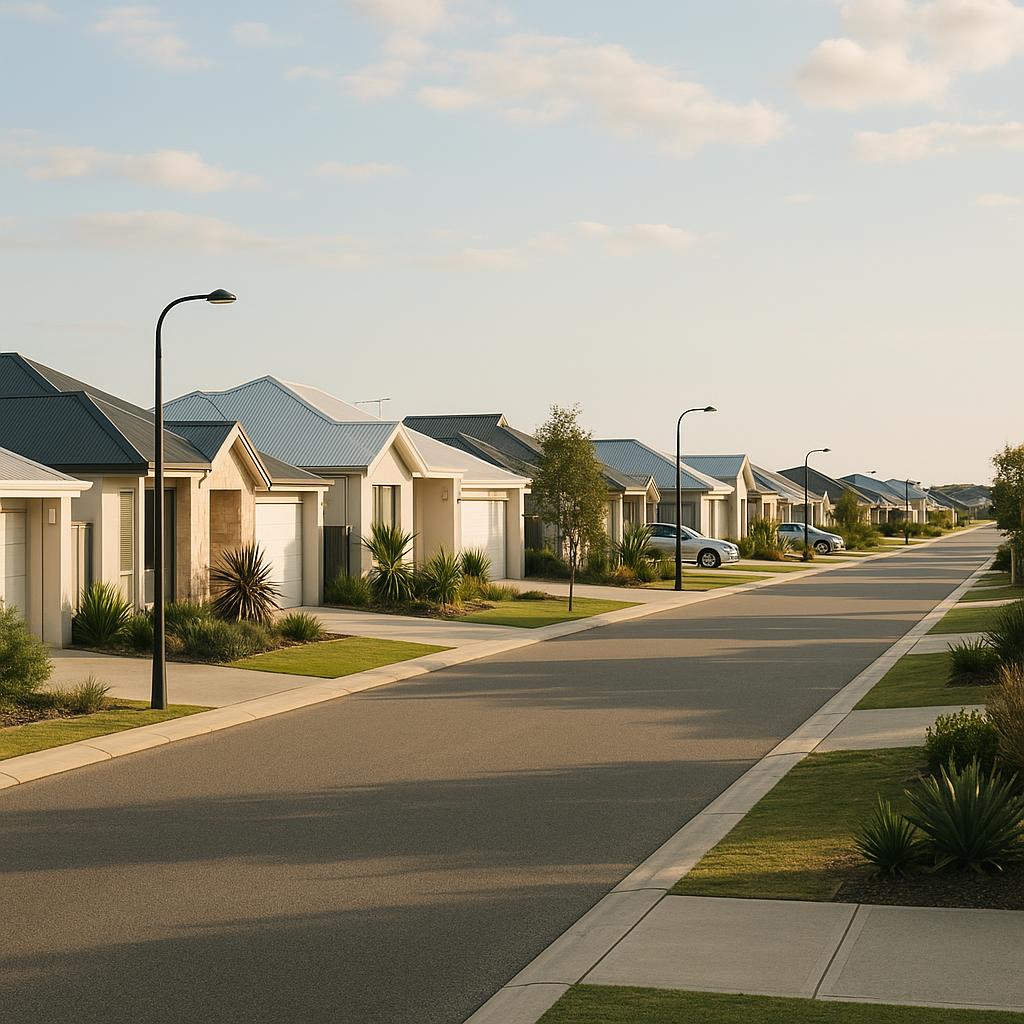
Butler sits in Perth’s northern coastal corridor and is generally understood as a growth suburb with practical appeal. Its market story is less about exclusivity and more about usable housing, commuter convenience, and family-focused living. That makes it relevant for buyers who want a clear everyday-living proposition rather than a niche asset.
The suburb’s housing profile is typically shaped by newer estates and comparatively low-maintenance homes. For many purchasers, that means easier comparisons between listings, fewer legacy issues than in older suburbs, and a clearer link between property condition and buyer appeal. Investors often value this because tenant demand is easier to read when the local housing stock is straightforward.
Butler is worth assessing as part of a broader northern beaches-and-growth-belt strategy. A buyer may choose it to gain more space and a suburban rhythm while retaining rail access and coastal proximity. The key is to judge Butler on function: who lives here, why they choose it, and how easily the home will resell when market conditions change.
Buyer Demand
Demand in Butler is usually driven by a mix of first-home buyers, young families, downsizers wanting simpler upkeep, and investors looking for broad tenant appeal. That diversity matters because it reduces reliance on one narrow buyer group and can support more resilient resale interest.
The strongest buyer fit is typically someone who wants practicality first. If the home offers sensible layout, parking, usable outdoor space, and convenient access to transport or daily services, it is more likely to appeal to both end-users and tenants. A property that suits multiple life stages tends to have stronger market flexibility.
Rental Market
Butler’s rental story is usually simple and repeatable: tenants want a suburban home base with rail access, modern liveability, and enough space for day-to-day family routines. That is useful for investors because uncomplicated tenant narratives often translate into steadier enquiry and easier leasing.
Properties that are low-maintenance, functional, and close to transport or local convenience are generally the most competitive from a tenant-appeal perspective. Three- and four-bedroom homes often suit the local demand profile, but investors should still assess street position, parking, storage, and condition before assuming a property will be easy to lease.
Lifestyle, Transport & Schools
Butler offers a practical coastal-suburban lifestyle rather than a high-density urban one. It tends to suit buyers who want a quieter residential setting, access to parks and beaches nearby, and a home environment that works for everyday routines rather than weekend tourism.
Transport is one of the suburb’s biggest practical advantages. Rail access can widen the tenant pool and improve the liveability of the area for commuters who do not want to rely on driving every day. For homeowners, that can also support long-term comfort if work patterns change or family members need different travel options.
School access is another key filter for family buyers, even when no one school dominates the discussion. Families usually compare convenience, not just rankings, so it is sensible to verify catchments, travel times, and enrolment rules directly before buying. The practical question is whether daily school runs are simple enough to make the suburb work long term.
Butler (WA) Suburb Profile
Official 2021 Census snapshot for the ABS Suburbs and Localities geography.
Age profile
Housing tenure
Occupied private dwellings by tenure type.
Salary & income profile
Median total income reported in the Census.
*Annual figures are weekly median × 52 estimates, not separate ABS annual medians.
Education & qualifications
Highest educational attainment, people aged 15+.
Employment status
People aged 15+ who reported being in the labour force.
Industry of employment
Top responses among employed people aged 15 years and over.
Occupation profile
Broad occupation groups among employed residents, including managers.
Property Type Guide
- Detached houses: Best for families and long-term owners who want flexibility, outdoor space, and broad resale appeal.
- Modern homes: Suited to buyers wanting move-in-ready convenience and fewer immediate maintenance demands.
- Low-maintenance investment homes: Often the simplest option for investors aiming for straightforward management and tenant appeal.
- Estate-style properties: Typically fit Butler’s broader suburban character and can suit buyers prioritising practicality over uniqueness.
- Smaller-format dwellings: Where available, they may suit downsizers or budget-conscious buyers, but compare carefully against house alternatives.
Risks & Watch-Outs
- Do not assume every street in Butler offers the same convenience; micro-location can change commuter and lifestyle appeal materially.
- A low-priced property is not automatically good value if the layout, parking, or outdoor space limits family or tenant demand.
- Be careful not to overpay for cosmetic upgrades that do not improve liveability or future resale flexibility.
- Check actual access to transport and daily essentials rather than relying on the suburb name alone.
- Compare Butler with nearby suburbs before buying, because small differences in housing age, amenity, or feel can change the investment case.
Nearby Suburbs to Compare
- Alkimos
- Yanchep
- Rockingham
- Baldivis
- Clarkson
FAQ
Is Butler, WA a good suburb for first-home buyers?
It can be, especially for buyers who want a practical entry point into a coastal northern suburb with rail access and modern housing. The key is to compare land, layout, and commute convenience rather than focusing only on the suburb name.
Is Butler a good suburb for property investors?
Butler can suit investors who want broad tenant appeal and lower-maintenance homes. It is usually strongest for straightforward residential leasing rather than highly specialised strategies, so check current rental demand, vacancy signals, and competing stock before committing.
What types of homes are most suitable in Butler?
Detached, easy-care homes with functional floorplans are usually the most versatile. Families and tenants generally value practical bedrooms, decent parking, and usable outdoor space, so homes that meet those basics often have the widest appeal.
How important is train access in Butler?
Very important for many buyers and tenants. Rail access can improve commute practicality, widen the buyer pool, and make the suburb easier to live in without depending entirely on car travel. Verify walking distance and actual route convenience, not just station proximity.
Should I compare Butler with nearby suburbs before buying?
Yes. Nearby suburbs often compete for the same buyers and tenants, but differ in housing style, maturity, and amenity. Comparing them helps you see whether Butler is the best fit for your budget and strategy, or simply one of several workable options.
Conclusion
Butler is a practical northern coastal suburb with a clear everyday-living story. It can suit buyers who want modern housing, transport convenience, and family-friendly functionality, as well as investors looking for broad tenant appeal. The best outcomes usually come from comparing Butler against nearby suburbs and choosing the property type that matches your long-term goals.
Sources & How to Verify
- Check current sold results and listing patterns on Domain so you understand the property types and price brackets active right now.
- Review live rental listings on realestate.com.au to see what tenants are actually being offered in Butler and nearby suburbs.
- Use the Transperth network information to confirm station access, service patterns, and whether the commute suits your daily routine.
- Confirm school catchments and enrolment rules through the WA Department of Education rather than relying on informal maps or agent descriptions.
- Check planning, zoning, and land-use context with WA planning resources so you understand any development constraints or future change potential.
- Review demographic and housing data from ABS if you want a factual snapshot of household structure, tenure, and dwelling mix.
- Look at City of Wanneroo information on the local council website for amenity, local works, and community planning that may affect liveability.
- Cross-check hospital access and major health services via official health network pages so you can verify practical access rather than assuming proximity from a map.