Quick Answer
Osborne Park WA is a practical, well-located inner-northern suburb for buyers and investors who want access to employment hubs, transport links, and a mix of residential and commercial character. It suits people prioritising convenience over prestige, and it can work well if you select the right street and property type. The key is to buy selectively: traffic exposure, zoning, parking, and building condition can change the outcome materially from one block to the next.
Key Takeaways
- Osborne Park is a convenience-led suburb, not a lifestyle premium area, so location within the suburb matters more than the label.
- Buyers often trade land size or quiet streets for shorter commutes, strong amenity access, and easier day-to-day living.
- Investors should focus on low-maintenance layouts, practical parking, and broad tenant appeal rather than chasing “cheap” stock.
- Mixed-use surroundings mean noise, zoning, and neighbouring land use must be checked carefully before making an offer.
- Comparing nearby suburbs and property types is essential because micro-location can materially affect resale and rental performance.
Pros & Cons
Pros
- Excellent access to major roads and employment corridors
- Diverse property stock with multiple buyer entry points
- Strong everyday convenience for work, shopping, and services
Cons
- Some pockets feel more commercial or traffic-heavy than residential suburbs
- Noise, parking, and amenity can vary sharply by street
- Strata, zoning, and surrounding land use can complicate due diligence
Market Overview
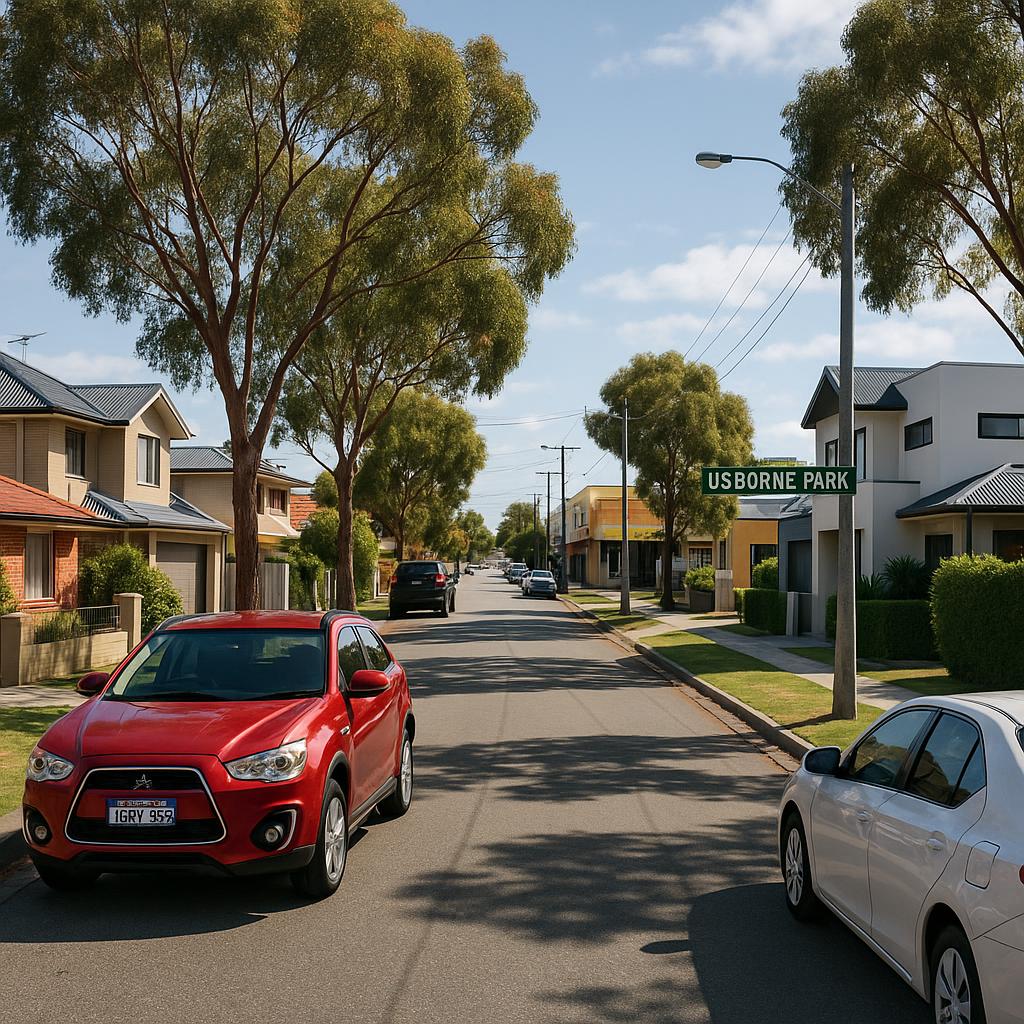
Osborne Park sits in Perth’s inner north-west and has a mixed residential-commercial identity that shapes how buyers assess it. It is best understood as a convenience suburb: practical, centrally positioned, and useful for people who value access over a leafy, prestige feel.
That mixed character matters. A home near a busier corridor may attract a different buyer pool from a quiet residential pocket, even if the properties look similar online. In Osborne Park, the immediate street, neighbouring uses, and parking situation often influence value as much as the suburb name itself.
For homeowners and investors, that means the market is less about broad assumptions and more about micro-location. Inspecting the block, street flow, and surrounding development pattern is essential before you focus on price or cosmetic presentation.
Buyer Demand
Buyer demand tends to come from people who want shorter commutes, easy access to services, and a low-friction daily routine. That includes first-home buyers wanting location over land size, downsizers seeking convenience, and investors targeting practical, easy-to-rent stock.
The strongest demand usually aligns with tidy, functional properties that are simple to live in and maintain. A well-kept villa, townhouse, or unit can appeal to more buyers than a larger but awkward house if the layout, access, and street setting are better.
Rental Market
Osborne Park generally suits tenants who value practicality: access to work, strong road connectivity, and low-maintenance living. That makes it appealing to professionals, couples, small households, and long-term renters who want convenience rather than a lifestyle postcode.
For investors, the best-performing rental often has the broadest tenant appeal, not the most bedrooms. Clean presentation, good natural light, parking, and a functional layout usually matter more than fancy finishes, especially where tenants are comparing multiple nearby suburbs.
Lifestyle, Transport & Schools
Lifestyle in Osborne Park is practical rather than resort-style. You are buying into a suburb that helps with errands, work access, and everyday efficiency, which can be very attractive for busy households and commuters.
Transport connectivity is a core advantage. Strong road access is one of the suburb’s main selling points, and public transport options can add value for renters and buyers who want alternatives to driving. It is worth testing commute times at peak periods, not just relying on map distance.
Families should research school catchments, enrolment rules, and travel routes directly with current official sources. School access can influence both owner-occupier demand and the rental profile, but it should be verified rather than assumed from suburb reputation.
Osborne Park Suburb Profile
Official 2021 Census snapshot for the ABS Suburbs and Localities geography.
Age profile
Housing tenure
Occupied private dwellings by tenure type.
Salary & income profile
Median total income reported in the Census.
*Annual figures are weekly median × 52 estimates, not separate ABS annual medians.
Education & qualifications
Highest educational attainment, people aged 15+.
Employment status
People aged 15+ who reported being in the labour force.
Industry of employment
Top responses among employed people aged 15 years and over.
Occupation profile
Broad occupation groups among employed residents, including managers.
Property Type Guide
- Houses: Best for buyers wanting land, renovation scope, or long-term flexibility; inspect site layout, access, zoning, and maintenance history.
- Units and apartments: Often suit investors and entry-level buyers; check strata levies, building condition, owner-occupier mix, and noise transfer.
- Villas and duplex-style homes: A useful middle ground for convenience and usable space; assess shared boundaries, parking, and outdoor functionality.
- Townhouses: Can offer a low-maintenance lifestyle with a more modern feel; review storage, access, and body corporate rules carefully.
- Best strategy fit: Choose by goal first—lifestyle, rental ease, renovation upside, or land value—then compare similar properties street by street.
Risks & Watch-Outs
- Buying on the wrong street can reduce liveability and resale appeal even if the broader suburb is desirable.
- Traffic, noise, and nearby commercial activity can change the property experience significantly from block to block.
- Strata documents, levies, and building maintenance history need careful review before buying apartments or grouped dwellings.
- Zoning and surrounding development potential may affect privacy, future amenity, and long-term value.
- Older stock can look affordable upfront but carry hidden repair and maintenance costs if condition is not properly assessed.
Nearby Suburbs to Compare
- Joondanna
- Tuart Hill
- Glendalough
- Dog Swamp
- Balcatta
- Innaloo
FAQ
Is Osborne Park good for first-home buyers?
It can be, especially if you value location, convenience, and a range of property types. The trade-off is that you need to be selective about the street, noise exposure, parking, and the quality of the building or lot.
Is Osborne Park a good suburb for investors?
Yes, for investors who prioritise practical tenant demand and low-maintenance appeal. It is usually more important to choose a rental-friendly layout, good access, and manageable upkeep than to chase the cheapest-looking property.
What type of property is best in Osborne Park?
There is no single best type. Units and villas can suit investors or low-maintenance buyers, while houses may suit renovators or people wanting more flexibility. The right answer depends on budget, street, and intended hold period.
Is Osborne Park more for lifestyle or investment?
It can work for both, but in different ways. Homeowners often like the convenience and commute advantages, while investors value broad rental appeal. The suburb is strongest when the property matches the intended use.
What should I check before buying in Osborne Park?
Check surrounding land use, traffic noise, parking, zoning, strata documents if relevant, and the condition of the building and site. It is also smart to inspect at different times of day to understand how the street really feels.
Conclusion
Osborne Park is a practical, centrally located Perth suburb that rewards informed selection. It is not a one-size-fits-all market; the best outcomes come from matching the right property type to the right street and strategy. For buyers and investors who value convenience, it deserves serious consideration.
Sources & How to Verify
- Check current sold results and live listings on Domain to compare asking prices, sale conditions, and property types before relying on any estimate.
- Review recent comparable sales on realestate.com.au so you can see how similar Osborne Park properties are positioned by street, size, and condition.
- Use ABS data for broad demographic context, but treat it as background only and not as a substitute for current market behaviour.
- Confirm zoning, planning controls, and any development proposals through WA Planning Commission and related local planning resources before assuming future land use.
- Check local roads, bus routes, and service changes on Transperth to verify actual commute options rather than relying on map proximity alone.
- Review school catchment and enrolment details directly through the WA School Finder because catchments and intake rules can change.
- Inspect strata records, levies, and recent minutes where relevant, because grouped dwellings can carry costs or restrictions that are not obvious from the listing.
- Visit the suburb at weekday peak and weekend off-peak times to assess noise, parking, traffic flow, and how the street functions in real life.