Quick Answer
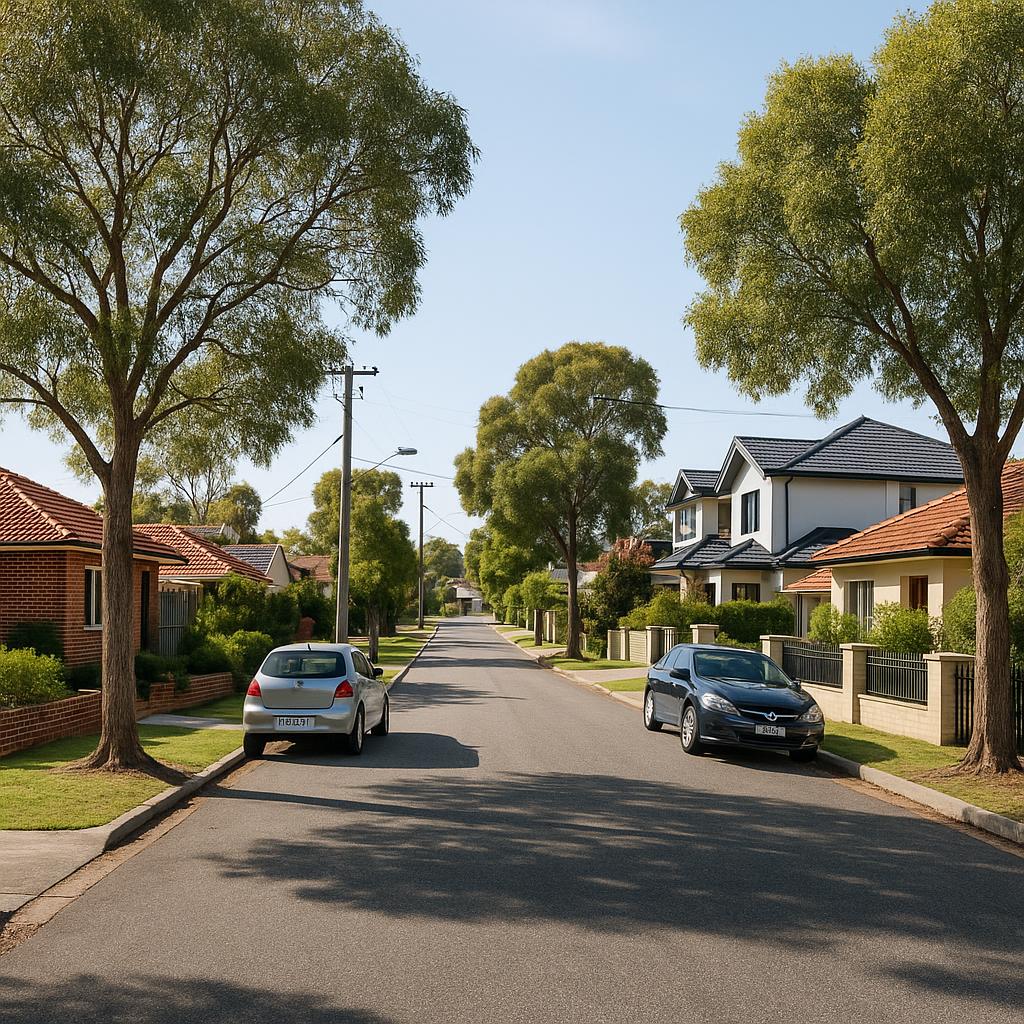
Morley is a practical, established Perth suburb that suits buyers who value convenience, housing choice, and everyday liveability over prestige. It can work well for first-home buyers, upgraders, and investors, but the best outcomes usually come from street-by-street selection rather than assuming the suburb behaves as one market. Older homes, traffic exposure, and zoning checks matter here. If you buy well, Morley can offer strong day-to-day utility and solid long-term flexibility.
Key Takeaways
- Morley tends to suit buyers seeking a convenient, established suburb with broad appeal and multiple entry points.
- Its housing mix creates options for renovators, investors, downsizers, and families with different budgets and goals.
- Selection matters: two Morley streets can feel and perform very differently depending on traffic, upkeep, and land value.
- Rental demand is usually supported by convenience, transport access, and low-maintenance dwellings that appeal to practical tenants.
- Buyers should verify zoning, building condition, and local amenity using current sources rather than relying on suburb-level assumptions.
Pros & Cons
Pros
- venient location for everyday errands, commuting, and accessing services.
- Housing diversity gives buyers more choice across land size, dwelling style, and price point.
- Broad appeal to owner-occupiers and renters who prioritise practicality.
Cons
- Older homes may bring maintenance, renovation, or energy-efficiency costs.
- Traffic and noise can vary noticeably near busier roads and commercial zones.
- Street quality and future upside are uneven, so careful micro-location analysis is essential.
Market Overview
Morley is an established, service-oriented suburb in Perth’s east, with a market shaped more by practicality than lifestyle branding. It appeals to singles, couples, families, downsizers, and renters who want access to shops, transport, and daily essentials without moving into a premium coastal or inner-city pocket.
The suburb’s housing stock is mixed, which is useful for buyers but also means there is no single “Morley product”. Older homes, renovated dwellings, villas, units, and some infill-style properties all sit side by side. That creates opportunity, but only if you match the property type and street to your strategy.
For investors and homeowners, the main theme is flexibility. In Morley, land value, layout, maintenance profile, and street context often matter more than cosmetic polish. A neat property on the wrong road can underperform, while a more modest home in a stronger pocket may prove far more resilient over time.
Buyer Demand
Morley tends to attract a wide buyer pool because it solves everyday problems well. First-home buyers want practical access and a manageable entry point, families want convenience and room to grow, and downsizers often value low-friction living close to services.
That diversity matters because it can improve resale liquidity. Properties with functional layouts, sensible parking, and low-maintenance presentation usually appeal to more than one buyer group. For investors, that broader demand can support leasing confidence and make exit strategies easier to execute.
Rental Market
Morley can be attractive to renters who prioritise convenience over prestige. The suburb’s access to shopping, transport, and everyday amenity makes it a practical choice for workers, couples, small families, and shared households looking for a sensible balance of cost and liveability.
Low-maintenance dwellings often perform best from a landlord perspective, especially where presentation, storage, parking, and layout are practical. Older homes can still lease well if maintained properly, but investors should budget for repairs and avoid assuming that a cheaper purchase automatically means a better return.
Lifestyle, Transport & Schools
Morley offers a straightforward suburban lifestyle rather than a novelty-driven one. People choose it because errands are easier, daily travel can be more efficient, and the suburb gives them access to useful amenity without needing a premium postcode. That makes it appealing to households that value function over flash.
Transport access is an important part of the local value proposition. Major road links can support commuting flexibility, and public transport options add another layer of convenience for people who do not want to rely solely on a car. The trade-off is that busier routes can also bring more noise and traffic pressure, so local inspection matters.
Families usually assess schools, parks, and routine convenience together rather than in isolation. School catchments should always be verified directly, because assumptions can be wrong and boundaries change. For many buyers, Morley works best when the commute, daily logistics, and family routines all line up reasonably well.
Morley Suburb Profile
Official 2021 Census snapshot for the ABS Suburbs and Localities geography.
Age profile
Housing tenure
Occupied private dwellings by tenure type.
Salary & income profile
Median total income reported in the Census.
*Annual figures are weekly median × 52 estimates, not separate ABS annual medians.
Education & qualifications
Highest educational attainment, people aged 15+.
Employment status
People aged 15+ who reported being in the labour force.
Industry of employment
Top responses among employed people aged 15 years and over.
Occupation profile
Broad occupation groups among employed residents, including managers.
Property Type Guide
- Older standalone houses: Often offer land value and renovation upside, but may need deeper maintenance checks and budgeting.
- Renovated family homes: Can suit owner-occupiers who want move-in-ready liveability, provided the renovation quality is genuine, not just cosmetic.
- Villas and units: Usually appeal to investors, downsizers, and busy buyers wanting lower maintenance and easier lock-and-leave living.
- Duplexes and infill-style stock: Can be efficient and practical, but design quality, privacy, and parking strongly affect long-term appeal.
- Value-add homes: Work best where the structure, block, and street context support improvement rather than forcing a high-cost rebuild.
Risks & Watch-Outs
- Older homes may hide deferred maintenance, so inspect roofs, plumbing, drainage, and electrical condition carefully.
- Busy-road exposure can reduce comfort, resale appeal, and tenant interest if noise and access are not managed well.
- Some properties look good cosmetically but have weak layouts, poor storage, or awkward parking that limit real-world usability.
- Zoning and redevelopment assumptions should be checked with current planning sources rather than guessed from land size alone.
- Morley is not one uniform market, so a “good buy” in one pocket may be average in another.
Nearby Suburbs to Compare
- Bedford WA Property Market Guide: Buyers & Investors
- Balcatta WA Property Market Guide: Buyers & Investors
- Dianella WA Property Market Guide: Buyers & Investors
- Noranda WA Property Market Guide: Buyers & Investors
- Embleton WA Property Market Guide: Buyers & Investors
FAQ
What kind of buyer is Morley best suited to?
Morley suits buyers who want convenience and flexibility more than prestige. That includes first-home buyers, families, downsizers, and investors who value a practical location, a broad housing mix, and access to everyday amenity.
Is Morley a good suburb for investors?
It can be, especially if you focus on low-maintenance properties with broad tenant appeal. The key is to buy for condition, layout, and location within the suburb, not just for the postcode itself.
What property type is best in Morley?
There is no single best type. Villas and units can suit investors and downsizers, while houses may suit families or buyers wanting renovation and land potential. The right answer depends on holding costs, upkeep, and your exit plan.
Is Morley good for families?
It can be, because everyday convenience is a major strength. Families should verify school catchments, park access, traffic exposure, and commute practicality. A well-located home can make daily life noticeably easier.
What are the main risks when buying in Morley?
The main risks are older-building issues, traffic noise, inconsistent street quality, and overestimating future value without checking planning constraints. A thorough building inspection and local due diligence are essential.
Conclusion
Morley is a solid example of a suburb where practical value can outweigh flashier headlines. It rewards buyers who look closely at the street, the building, and the use case. If you want convenience, housing choice, and broad appeal, Morley deserves a careful inspection rather than a casual glance.
Sources & How to Verify
- Check current sales evidence on Domain so you are comparing real, recent transactions rather than relying on outdated suburb impressions.
- Review current rental listings on realestate.com.au to understand what types of Morley properties are actually being marketed and leased now.
- Use ABS if you want to understand broader demographic context, but treat it as background rather than a substitute for street-level research.
- Confirm zoning, land-use controls, and planning constraints through the WA Planning system before assuming a property has redevelopment potential.
- Check school zones and enrolment guidance through School Finder so you do not rely on informal assumptions about catchments.
- Review local amenity, parks, and community information on the City of Bayswater site to understand local services and any planned changes.
- Speak with a licensed local agent or property manager to verify how Morley is performing for your target property type, because demand can differ sharply by street and dwelling style.
- Walk the area at different times of day and inspect comparable homes in person, because traffic, noise, parking, and presentation are often more important than suburb averages.