Quick Answer
Inglewood is a tightly held, inner-northern Perth suburb that suits buyers who value convenience, character, and a practical commute more than large blocks or new-build uniformity. For investors, its appeal usually comes from broad tenant interest, a mix of dwelling types, and strong everyday amenity rather than one single standout metric. The best opportunities tend to be property-specific: street, condition, layout, parking, and renovation quality matter as much as the suburb name.
Key Takeaways
- Inglewood suits buyers who want an established inner-urban lifestyle with access to city conveniences and everyday amenity.
- Demand is typically strongest for well-presented homes and low-maintenance dwellings that reduce friction for owners and tenants alike.
- Older character properties can add charm and upside, but they also demand more careful inspections and budget discipline.
- Units, apartments, and grouped housing can broaden affordability, especially for first-home buyers and investors seeking simpler upkeep.
- The suburb’s value proposition is driven by livability, so compare each property by type, condition, and micro-location before making an offer.
Pros & Cons
Pros
- Close-in location with strong day-to-day convenience for commuters and lifestyle buyers.
- Broad appeal across owner-occupiers, downsizers, professionals, and tenants.
- Mix of housing styles creates choice from character homes to lower-maintenance strata stock.
Cons
- Older dwellings can bring maintenance, compliance, or renovation costs.
- Parking, density, and lot size can be limiting in some pockets.
- Desirable homes may attract stronger competition, which can pressure buyers to move carefully.
Market Overview
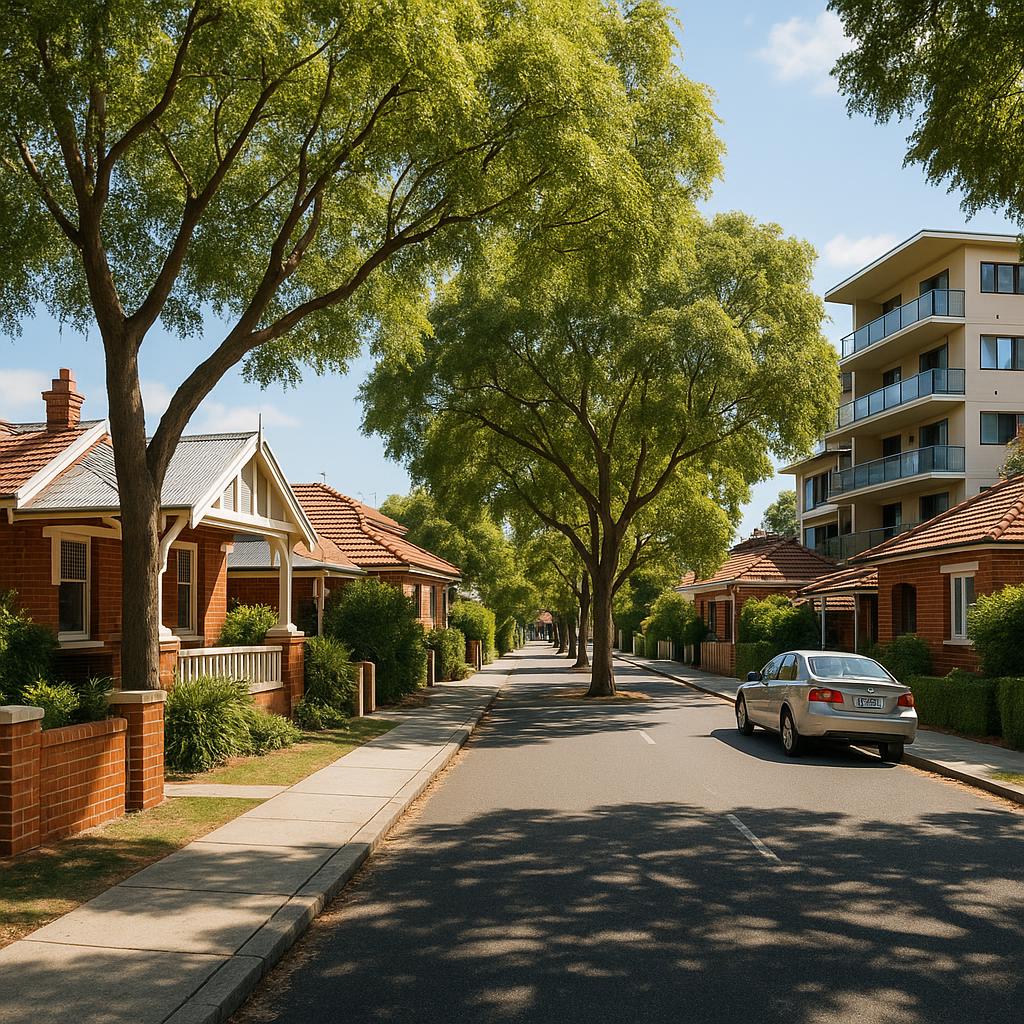
Inglewood is an established Perth suburb with an inner-urban feel and a market shaped by convenience, character, and housing variety. The suburb tends to attract buyers who want access to the CBD, local amenity, and a settled residential environment rather than a brand-new estate feel. That mix matters because the property type often influences value as much as the postcode itself.
The local stock ranges from older character homes to renovated dwellings, townhouses, and apartments. For buyers, this means two properties on the same street can appeal very differently depending on presentation and layout. For investors, it means the best result usually comes from choosing a dwelling that fits the local tenant pool and is easy to hold.
In practical terms, Inglewood rewards comparison at the micro level. Look at the exact street, parking setup, renovation standard, and maintenance profile before deciding whether a listing is well-priced. A neat, move-in-ready home may attract stronger interest than an original-condition property, even if both sit within the same suburb.
Buyer Demand
Buyer demand in Inglewood is typically driven by a mix of convenience-seekers and lifestyle-focused households. Common buyer groups include first-home buyers wanting an inner-suburban entry point, upsizers aiming for a better location, downsizers seeking ease of living, and investors looking for broad rental demand.
What keeps interest steady is the suburb’s practical usefulness. Buyers often trade a bigger block for a shorter commute, better amenity access, and a more established streetscape. As a result, well-located homes with sensible floorplans and low friction tend to draw the most attention.
Rental Market
Inglewood can suit renters who want access to the city, local services, and a suburb that feels established rather than transient. That generally supports demand from singles, couples, sharers, and small households who value convenience and time savings.
For investors, the strongest rental prospects usually come from easy-to-maintain layouts, good natural light, functional kitchens and bathrooms, and practical access to transport or parking. Older homes can still perform well, but only if maintenance risk is understood and the property matches what local renters are willing to pay for.
Lifestyle, Transport & Schools
Inglewood’s lifestyle appeal is built around routine convenience. Buyers often like being close to cafes, retail, services, and parks while still staying within a straightforward commute of major employment areas. That balance can appeal to professionals and families who want daily life to feel easier, not just more prestigious.
Transport is an important part of the suburb’s value proposition. Buyers should test peak-hour travel, parking availability, and how comfortably the property connects to the wider Perth metro area. In suburbs like this, small differences in access and noise can make a big difference to livability.
School considerations also matter, even when buyers do not have school-aged children. Families often prioritise practical routines, childcare access, and a home base that reduces weekday stress. If schooling is important, verify current intake zones and catchments directly with official sources before relying on general suburb commentary.
Inglewood (WA) Suburb Profile
Official 2021 Census snapshot for the ABS Suburbs and Localities geography.
Age profile
Housing tenure
Occupied private dwellings by tenure type.
Salary & income profile
Median total income reported in the Census.
*Annual figures are weekly median × 52 estimates, not separate ABS annual medians.
Education & qualifications
Highest educational attainment, people aged 15+.
Employment status
People aged 15+ who reported being in the labour force.
Industry of employment
Top responses among employed people aged 15 years and over.
Occupation profile
Broad occupation groups among employed residents, including managers.
Property Type Guide
- Character homes: Attractive for buyers who value charm and renovation potential, but they can carry hidden repair and update costs.
- Renovated houses: Best for buyers wanting convenience and lower immediate work, though renovation quality should be checked closely.
- Apartments and units: Often suit investors, first-home buyers, and downsizers seeking lower-maintenance living and broader affordability.
- Townhouses and grouped dwellings: A useful middle ground for buyers wanting more space than an apartment without full-house upkeep.
- Selection rule: Prioritise liveability for owner-occupiers, simplicity for investors, and structural soundness for renovation buyers.
Risks & Watch-Outs
- Older housing can hide expensive issues, so building and pest inspections are essential where relevant.
- Renovated presentation does not always equal quality workmanship, so assess what has actually been updated behind the finishes.
- Strata fees, rules, and possible special levies can materially affect investment returns in grouped dwellings.
- Micro-location differences matter, especially for noise, traffic, parking, and access to busy local roads.
- Do not assume a strong suburb profile will compensate for a poor floorplan, awkward access, or a weak tenant fit.
Nearby Suburbs to Compare
- Mount Lawley WA Property Market Guide: Buyers & Investors
- Maylands
- Bedford
- Dianella
FAQ
Is Inglewood good for first-home buyers?
It can be, especially if you want an inner-suburban location and are flexible on property type. The trade-off is often smaller land, older stock, or strata living, so compare condition, parking, and commute rather than focusing only on the suburb label.
Is Inglewood a good suburb for investors?
It can be attractive for investors who value broad tenant appeal and lower vacancy risk from a well-located property. The key is choosing a dwelling that suits the local rental audience, while keeping maintenance and strata costs under control.
What property type is best in Inglewood?
There is no single best choice. Character homes suit buyers who want charm and potential, while apartments and townhouses may suit those seeking lower maintenance and simpler holding costs. Your strategy should guide the property type.
Is Inglewood family-friendly?
Yes, for families who value convenience, access to local services, and an established suburban feel. That said, family fit depends on the specific property, nearby traffic, parking, and access to schooling or childcare, so inspect the exact location carefully.
What should buyers check before making an offer?
Check the building condition, renovation quality, parking, access, and any strata documents if relevant. Also compare recent sales of similar property types, because a renovated house and an original-condition dwelling can behave very differently in the same suburb.
Conclusion
Inglewood is best seen as a convenience-led, established Perth suburb with broad appeal to both buyers and investors. The smartest decisions here are property-specific: compare condition, layout, parking, and maintenance risk rather than relying on suburb reputation alone. If you want a practical inner-suburban lifestyle with flexible housing options, it deserves serious consideration.
Sources & How to Verify
- Check current sold evidence on Domain to compare like-for-like homes, not just suburb headlines.
- Review current listings on realestate.com.au to see how property type, condition, and parking affect asking prices and time on market.
- Use the Australian Bureau of Statistics to understand broader demographic patterns without relying on outdated third-party summaries.
- Verify zoning, development controls, and planning context through City of Stirling before assuming a property’s future use or extension potential.
- Check public transport and service planning details on the Public Transport Authority of Western Australia when commute access matters to your decision.
- Confirm school intake areas and enrolment details with the WA School Finder rather than relying on word-of-mouth or older maps.
- Request strata records, minutes, and levy information directly from the seller or strata manager if you are considering a unit, townhouse, or other grouped dwelling.
- Order a professional building and pest inspection where relevant, because presentation alone is not a reliable indicator of structural or maintenance quality.