Quick Answer
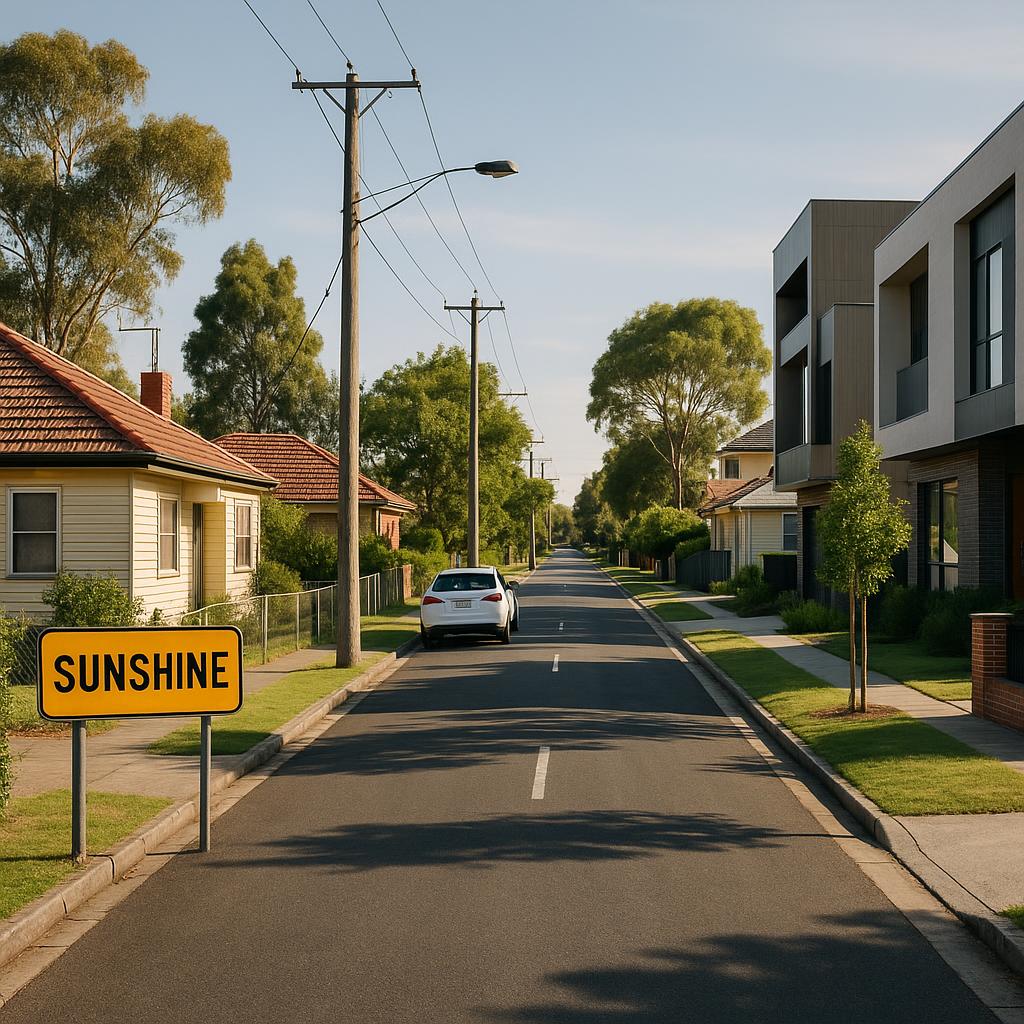
Sunshine VIC is a strategic Melbourne west suburb for buyers and investors who value transport access, everyday convenience, and a wide mix of housing stock. It suits first-home buyers chasing a more accessible entry point than many inner-west suburbs, investors looking for broad tenant demand, and homeowners who want practical liveability with future upside. The key is to assess the exact pocket, property type, and condition rather than rely on suburb reputation alone.
Key Takeaways
- Sunshine functions as a transport and services hub, so demand is shaped by convenience, not just residential amenity.
- The suburb attracts a mixed buyer pool, which means competition can vary sharply by property type, street, and presentation.
- Investors should focus on dwellings that suit local tenants, because rental performance depends on usability and upkeep.
- Owner-occupiers often trade polish for location, land potential, or easier access to work and services.
- Careful due diligence matters here: micro-location, noise, and property condition can materially change value and livability.
Pros & Cons
Pros
- Strong transport access and commuter convenience.
- Broad housing choice across different budgets and goals.
- Established amenity supports daily living and tenant demand.
Cons
- Busy corridors can affect noise, traffic, and parking.
- Older homes may require significant maintenance or upgrades.
- perty quality varies widely, so suburb-level assumptions can mislead.
Market Overview
Sunshine is one of Melbourne’s more strategic western suburbs: established, well connected, and useful for buyers who want practical access rather than prestige. It has a mix of older houses, compact dwellings, and pockets where renewal or repositioning can add value. That combination makes it relevant to both homeowners and investors, but it also means one street can feel materially different from the next.
For buyers, the main question is whether you are paying for land, convenience, renovation potential, or low-maintenance living. The suburb’s role as a transport node tends to keep interest broad, while the housing stock creates choice across different budgets and risk profiles. In simple terms: Sunshine is a suburb where the property selection matters as much as the postcode.
It is best understood as a “fit” suburb rather than a one-size-fits-all market. Buyers who compare it against nearby western alternatives often find the value proposition shifts depending on whether they prioritise commute efficiency, block size, newer dwellings, or a quieter residential pocket.
Buyer Demand
Demand in Sunshine typically comes from first-home buyers, investors, families, and upgraders who want access to transport and services without moving into pricier inner-west territory. That mix can create competition for well-presented homes in convenient pockets, especially when the property has broad appeal and manageable upkeep.
From a buyer strategy perspective, the key is to match the asset to the likely end user. A neat, low-maintenance dwelling may attract stronger interest than a larger but harder-to-maintain home. If you are buying here, inspect several properties and compare how each one serves commuters, families, or renters rather than assuming the suburb brand alone will carry value.
Rental Market
Sunshine’s rental appeal is built on everyday practicality: transport access, services, and a location that works for people commuting across the west or into central Melbourne. That gives investors a reasonably broad tenant pool, but the best-performing properties are usually those that are easy to maintain, easy to occupy, and close to the suburb’s practical advantages.
For investors, the important lesson is that rental demand is property-specific. A well-kept unit or townhouse with sensible parking, storage, and a workable floorplan may lease more smoothly than a larger older home with higher maintenance demands. Before buying, compare current rental listings nearby so you can judge what tenants are actually choosing now, not what the suburb “should” achieve.
Lifestyle, Transport & Schools
Sunshine offers an everyday, functional lifestyle rather than a curated café-village feel. That is a positive for many buyers because it supports routine living: shopping, commuting, errands, and access to services without too much friction. It is especially relevant for households that value time efficiency.
Transport is one of the suburb’s defining advantages. Strong rail and road connectivity helps explain why Sunshine remains relevant to commuters, students, and workers across Melbourne’s west. For owner-occupiers, that can mean a simpler daily routine; for investors, it can support tenant demand from people who place a premium on travel convenience.
Schools matter here, but buyers should check catchments and enrolment rules directly because school access can shift by address and year level. Families often choose Sunshine for practical reasons first, then refine by specific street, commute pattern, and school options. As always, verify current zoning before treating any school as a decisive factor.
Sunshine (Vic.) Suburb Profile
Official 2021 Census snapshot for the ABS Suburbs and Localities geography.
Age profile
Housing tenure
Occupied private dwellings by tenure type.
Salary & income profile
Median total income reported in the Census.
*Annual figures are weekly median × 52 estimates, not separate ABS annual medians.
Education & qualifications
Highest educational attainment, people aged 15+.
Employment status
People aged 15+ who reported being in the labour force.
Industry of employment
Top responses among employed people aged 15 years and over.
Occupation profile
Broad occupation groups among employed residents, including managers.
Property Type Guide
- Houses: Best for buyers wanting land content, renovation upside, or longer-term family flexibility.
- Units: Often suit first-home buyers and investors who want lower upkeep and broader affordability.
- Townhouses: A middle ground for buyers wanting modern convenience without giving up all space.
- Older homes: Can offer value and upside, but you need to budget for maintenance and upgrades.
- Newer builds: Usually easier to occupy and manage, though often with less land and character.
- What to inspect: Street position, parking, noise exposure, condition, layout efficiency, and likely resale or rental appeal.
Risks & Watch-Outs
- Micro-location risk is real: two similar-looking homes can deliver very different living experiences.
- Busy roads, rail activity, and traffic patterns can affect noise, privacy, and parking convenience.
- Older properties may conceal repair costs that are not obvious during a short inspection.
- Buyers can overpay if they focus on suburb momentum instead of the actual dwelling quality and comparables.
- Investors should not assume yield will be strong without checking maintenance, vacancy risk, and tenant fit.
Nearby Suburbs to Compare
- Footscray VIC Property Market Guide: Buyers & Investors
- Altona VIC Property Market Guide: Buyers & Investors
- Yarraville VIC Property Market Guide: Buyers & Investors
- Braybrook
- Albion
FAQ
Is Sunshine VIC good for first-home buyers?
It can be a practical choice for first-home buyers who want transport access and everyday convenience. The main advantage is flexibility: you can compare houses, units, and townhouses, then choose the level of maintenance and location trade-off that suits your budget.
Is Sunshine VIC a good suburb for investors?
Potentially, yes, but it depends on the property. Investors tend to do best when they buy a dwelling with broad tenant appeal, manageable upkeep, and a location that genuinely supports commuting and daily living. Suburb reputation alone is not enough.
What type of property is most sensible in Sunshine?
That depends on your goal. Units and townhouses usually suit buyers wanting convenience and lower maintenance, while houses appeal more to those seeking land content, future renovation options, or family flexibility. The right choice is usually the one that matches your time horizon.
What should I check before buying in Sunshine?
Check the exact street, noise exposure, parking, property condition, and current comparable sales and rentals. If school access matters, confirm zoning directly. It is also worth visiting at different times of day so you can judge traffic and the feel of the pocket.
How does Sunshine compare with nearby western suburbs?
Sunshine is often compared with suburbs such as Footscray, Yarraville, Altona, and Albion. The better choice depends on whether you want a more urban lifestyle, a quieter residential feel, stronger land content, or a particular commute pattern.
Conclusion
Sunshine VIC is a useful, well-connected suburb that rewards careful property selection. It works best for buyers who value practicality, transport access, and long-term usefulness over glossy presentation. Whether you are purchasing to live in or to lease out, the winning strategy is to compare the specific property, street, and condition—not just the suburb name.
Sources & how to verify
- Check current sold prices and active listings on Domain to understand how Sunshine properties are being priced right now.
- Review comparable sales and listing history on realestate.com.au so you can compare property type, land size, and condition.
- Use the Australian Bureau of Statistics to confirm broader demographic and household context before drawing conclusions about demand.
- Check transport access and service changes on Public Transport Victoria to verify commute assumptions and timetable updates.
- Review planning, zoning, and permit information through Brimbank City Council and the Victorian planning system before relying on redevelopment assumptions.
- Confirm school zones and enrolment details on Find My School because school catchments can change and are address-specific.
- Inspect the area in person at different times of day to test noise, parking, traffic, and general street feel against what online listings suggest.
Internal link suggestions:
- Footscray VIC Property Market Guide: Buyers & Investors
- Altona VIC Property Market Guide: Buyers & Investors
- Yarraville VIC Property Market Guide: Buyers & Investors
- Albion VIC Property Market Guide: Buyers & Investors