Quick Answer
Altona suits buyers who want a bayside-western Melbourne lifestyle with genuine day-to-day practicality. It is often attractive to owner-occupiers, families, downsizers, and investors because it combines beach access, established amenity, and rail/road convenience. The key is to focus on the right pocket and property type, because street quality, condition, and maintenance needs can materially change value. If you want liveability first and speculation second, Altona is worth serious consideration.
Key Takeaways
- Altona’s appeal comes from its mix of coastal lifestyle, established housing, and access to Melbourne’s western employment corridors.
- Buyers tend to value quiet streets, usable layouts, and proximity to transport, shops, parks, and the foreshore.
- Investors should prioritise tenant-friendly properties with low maintenance and broad appeal, not just suburb reputation.
- Micro-location matters in Altona; two similar homes can perform differently depending on street, noise, and amenity access.
- Verify school zones, transport convenience, and current sold/rental evidence before making an offer or pricing a lease.
Pros & Cons
Pros
- Beachside feel with everyday suburban convenience rather than a purely holiday-style setting
- Broad buyer and tenant appeal across families, couples, downsizers, and practical investors
- Established amenity, with parks, shopping, transport options, and lived-in neighbourhood character
Cons
- Street-by-street variation means some pockets feel far stronger than others
- Older homes may need meaningful maintenance, renovation, or energy-efficiency upgrades
- Competition for well-located, well-presented stock can make entry challenging in stronger pockets
Market Overview
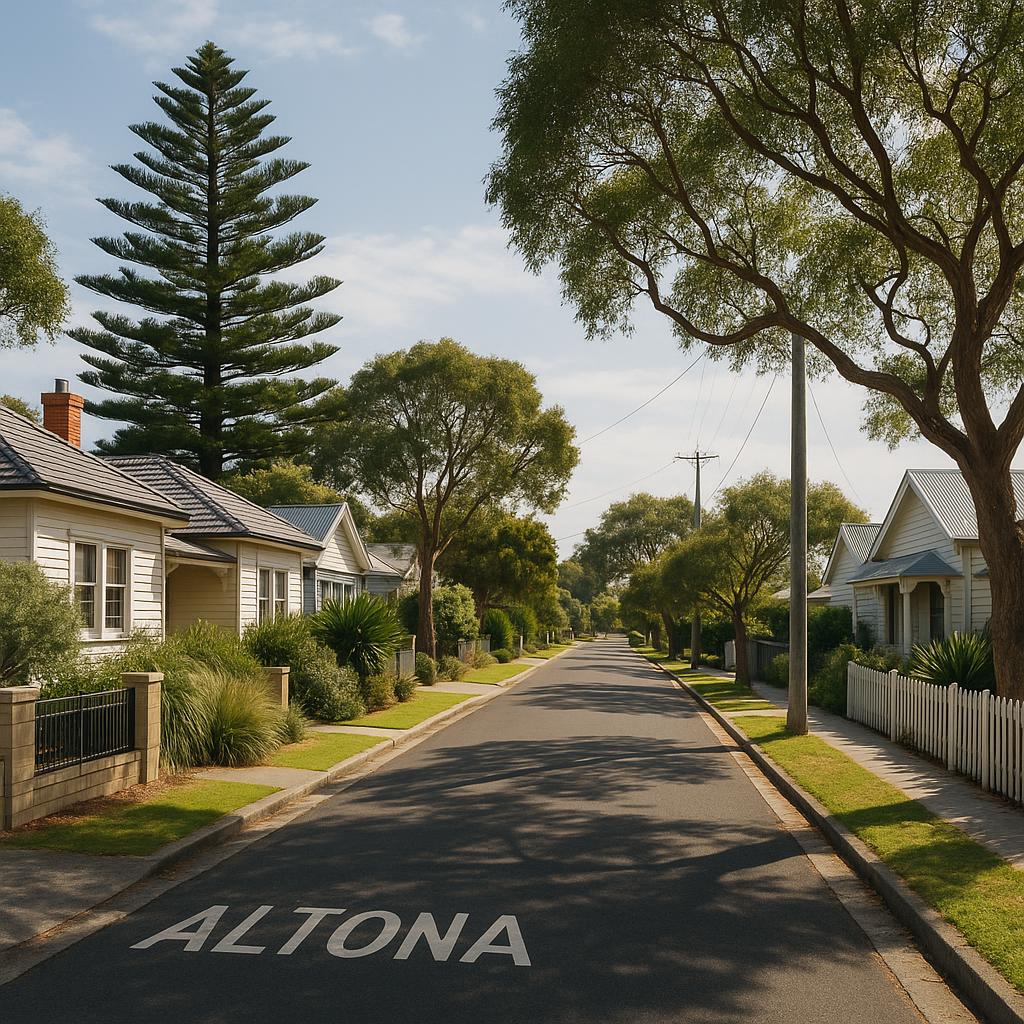
Altona sits in Melbourne’s western bayside corridor and is best understood as an established lifestyle suburb with practical commuter appeal. It draws buyers who want beach proximity without giving up normal suburban functionality, and that balance is a core part of its market identity.
The housing mix is important: detached homes dominate the emotional appeal, while townhouses and units broaden entry points for different budgets and strategies. In established suburbs like Altona, buyers often pay a premium for a home that feels easy to live in, easy to maintain, and easy to resell.
For investors, the market is less about chasing a single “hot” metric and more about choosing stock that fits common tenant needs. Functional floorplans, manageable upkeep, and convenient access to transport and amenity usually matter more than cosmetic features alone.
Buyer Demand
Demand in Altona is typically driven by overlapping buyer groups: families wanting room to grow, first-home buyers seeking a liveable location, downsizers wanting convenience, and investors looking for broader tenant depth. That mix usually supports steady underlying interest, especially for homes that feel move-in ready.
The strongest competition tends to be for properties that solve multiple problems at once: a quiet street, decent land use, practical layout, and access to transport or local services. If a property feels easy for both living and letting, it is usually easier to sell later as well.
Rental Market
Altona’s rental appeal comes from convenience and lifestyle rather than purely from affordability. Tenants who want train access, beach proximity, parks, and an established neighbourhood feel are often willing to prioritise location and usability over flashy finishes.
For investors, the most resilient rentals are usually low-maintenance homes with sensible layouts, storage, and outdoor space. A well-kept townhouse or tidy family house can often attract stable tenants because it fits everyday routines, not just short-term preferences.
Lifestyle, Transport & Schools
Altona’s lifestyle advantage is straightforward: it offers bayside living with a suburban pace, local retail, open space, and a strong outdoor component. That combination tends to suit buyers who value walking, beach time, and a less dense feel than inner Melbourne.
Transport is another reason the suburb remains relevant to both owners and renters. Train access and road connections make it practical for commuters, while the suburb’s general layout suits households that still rely on cars for school runs, shopping, and weekend movement.
School access is a major consideration for families, but zoning changes and enrolment rules can shift. Verify catchments directly before buying, and compare the property’s school access against your daily routine rather than relying on broad suburb reputation.
Altona (Vic.) Suburb Profile
Official 2021 Census snapshot for the ABS Suburbs and Localities geography.
Age profile
Housing tenure
Occupied private dwellings by tenure type.
Salary & income profile
Median total income reported in the Census.
*Annual figures are weekly median × 52 estimates, not separate ABS annual medians.
Education & qualifications
Highest educational attainment, people aged 15+.
Employment status
People aged 15+ who reported being in the labour force.
Industry of employment
Top responses among employed people aged 15 years and over.
Occupation profile
Broad occupation groups among employed residents, including managers.
Property Type Guide
- Detached houses: Best for families and long-term owners wanting land, flexibility, and stronger lifestyle depth.
- Townhouses: Often suit buyers wanting a lower-maintenance option without giving up too much space or location quality.
- Units/apartments: Can work for first-home buyers and investors, but building quality and owners corporation costs matter.
- Renovation stock: Works best when the underlying location is strong and the improvement budget is realistic.
Risks & Watch-Outs
- Micro-location risk is real, so inspect the street, traffic patterns, parking pressure, and nearby activity at different times.
- Older housing stock may bring hidden costs in plumbing, roofing, insulation, wiring, or general presentation.
- Do not assume the bay frontage alone guarantees value; the specific property still needs to match buyer or tenant demand.
- School-zone assumptions should be checked directly, because boundaries and intake arrangements can affect both liveability and resale.
- Investors should test rentability against real listings rather than assuming every well-located home will lease quickly or cheaply to maintain.
Nearby Suburbs to Compare
- Williamstown VIC Property Market Guide: Buyers & Investors
- Newport
- Yarraville VIC Property Market Guide: Buyers & Investors
- Footscray VIC Property Market Guide: Buyers & Investors
- Spotswood
- Laverton
FAQ
Is Altona a good suburb for first-home buyers?
It can be, especially if you want a suburb with lifestyle appeal and practical transport access rather than the cheapest possible entry point. The main trade-off is that stronger pockets and well-presented homes can attract competition, so property selection matters.
Is Altona suitable for property investors?
Yes, if you focus on broad tenant appeal, manageable maintenance, and a layout that fits everyday life. The suburb’s strength is not a single standout yield story; it is the combination of liveability, transport, and a fairly diverse renter pool.
What property type is usually safest in Altona?
There is no universal safest option, but detached houses and well-designed townhouses often have the broadest appeal. Units can still work, provided the building is sound and owners corporation costs do not erase the benefits of a lower entry price.
What should I check before buying in Altona?
Check the street quality, property condition, school zones, transport convenience, parking, and ongoing maintenance needs. It is also wise to inspect at different times of day and compare recent local sales and rental listings before making a decision.
How does Altona compare with nearby bayside-western suburbs?
Altona generally offers a strong balance of lifestyle and practicality. Williamstown may feel more premium and character-driven, while Newport and Spotswood can offer different commute and urban-lifestyle trade-offs. Compare the exact property, not just the suburb name.
Conclusion
Altona is a compelling suburb for buyers who want bayside living with everyday convenience, and for investors who value broad tenant appeal over hype. The best results usually come from choosing the right street, the right property type, and the right level of maintenance. Treat it as a liveability-first market, and verify everything at property level before committing.
Sources & How to Verify
- Check current sold results on Domain so you can compare asking prices, sold history, and buyer competition in real time.
- Review rental listings on realestate.com.au to test what tenants are actually paying for similar homes and layouts.
- Confirm transport routes and service patterns using Public Transport Victoria rather than assuming the nearest station or bus route is the most practical one.
- Verify school zones and enrolment information through Find My School because catchments can affect both family demand and resale depth.
- Use the Hobsons Bay City Council website to check planning, local facilities, community projects, and any area-specific considerations.
- Cross-check suburb characteristics with ABS data so you can understand the area’s demographic profile without relying on outdated summaries.
- Arrange independent building and pest inspections to identify defects, maintenance issues, and capital expenditure risks before you exchange contracts.
- Speak with a conveyancer or solicitor to confirm title, easements, contract conditions, and any special clauses before making an offer.
Sources & How to Verify
- Verify any market claim against current sales and listings, because suburb conditions can change quickly and older commentary may be out of date.
- Check school zoning directly on the official finder before purchasing, since family buyers often pay more for a property that sits inside a preferred catchment.
- Inspect the property at different times of day to test noise, parking, traffic flow, and how the street actually functions.
- Use recent comparable sales to judge value, not just the headline suburb reputation or the vendor’s asking price.
- Compare rental evidence with similar dwellings so you can judge whether the property is genuinely competitive for tenants.
- Review council planning information if you are considering renovation, extension, subdivision, or future development potential.