Quick Answer
Canterbury is an established inner-east Melbourne suburb that tends to reward buyers who value prestige, leafy streets, and long-term holding quality over short-term affordability. It is usually better suited to owner-occupiers and investors who prioritise scarcity, location strength, and broad family appeal than to buyers chasing maximum cash flow. If you want a suburb with enduring lifestyle demand, Canterbury deserves serious attention, but the best results usually come from buying the right property type on the right street.
Key Takeaways
- Canterbury’s appeal comes from established housing, a premium inner-east address, and buyer demand that is often driven by lifestyle and school access.
- For investors, the main attraction is usually tenant quality and long-term asset resilience rather than standout rental yield or fast turnover.
- Property condition matters enormously here, because older homes can look attractive on the surface but hide expensive maintenance work.
- The strongest purchases are typically homes with good light, practical layouts, off-street parking, and low-friction living for families or downsizers.
- Compare Canterbury against nearby suburbs on street quality, transport convenience, and renovation scope before paying for the postcode premium.
Pros & Cons
Pros
- Leafy, established streetscapes support long-term owner-occupier demand.
- Strong lifestyle appeal broadens the buyer pool beyond local upgraders.
- Quality homes can hold value well when they are well presented and well located.
Cons
- Entry costs can be high relative to many middle-ring alternatives.
- Older housing stock may require substantial maintenance or renovation planning.
- Investor returns can be constrained if purchase price is high relative to achievable rent.
Market Overview
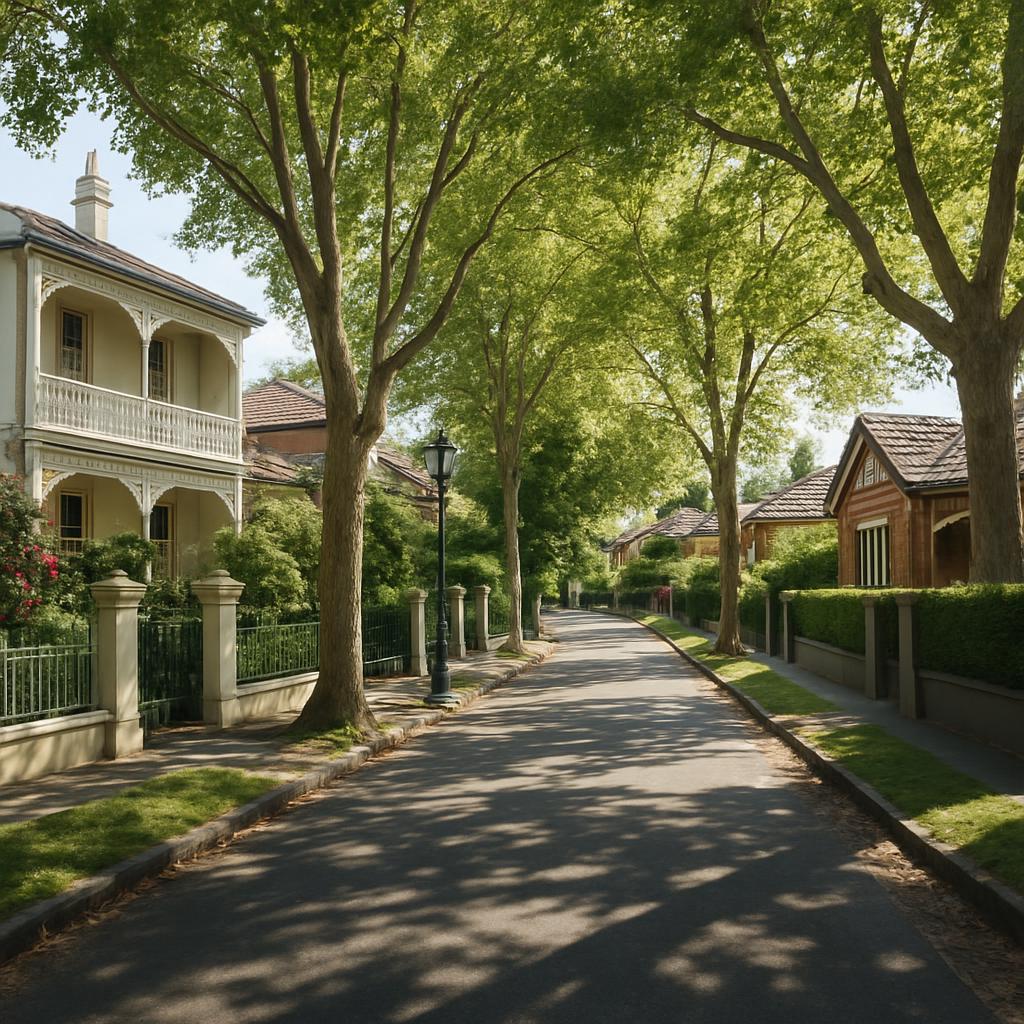
Canterbury sits in Melbourne’s inner east and is generally viewed as a premium residential suburb with established homes, tree-lined streets, and a strong owner-occupier presence. It is the kind of market where buyers often pay for atmosphere, convenience, and scarcity, not just bedrooms and land size.
That matters because Canterbury is less about speculative upside and more about enduring desirability. The suburb typically attracts households that want a polished residential setting, practical access to amenity, and a home that will still feel relevant in ten years. For that reason, street-by-street variation is important: a well-kept, quiet street can perform very differently from a busier or less flexible one.
For buyers, the key question is whether the property matches how people live now: work-from-home space, good parking, manageable maintenance, and outdoor usability. For investors, the question is whether the asset will remain easy to lease and easy to resell without relying on one narrow buyer profile.
Buyer Demand
Demand in Canterbury is usually driven by families, professionals, upsizers, and downsizers who want an inner-east address without compromising too heavily on day-to-day liveability. Buyers are often looking for homes that feel settled, attractive, and practical rather than highly speculative.
The strongest competition tends to occur around properties that combine character with functionality: renovated period homes, quality low-maintenance dwellings, and homes close to the area’s everyday conveniences. If a property is compromised by noise, awkward layout, or major works, demand can narrow quickly even in a premium suburb.
Rental Market
Canterbury’s rental appeal is usually tied to tenant quality and stability rather than short-term income maximisation. It can suit tenants who want a high-amenity residential environment, especially those who value access to transport, established streets, and nearby education options.
For investors, the most leaseable stock is usually well-presented, easy-to-maintain housing with practical layouts, heating and cooling, and off-street parking where possible. Older homes can still rent well, but only when the maintenance burden is controlled and the presentation is strong enough to justify the asking rent.
Lifestyle, Transport & Schools
Canterbury’s lifestyle appeal comes from its calm, leafy, residential character. It is not a high-density or nightlife-led suburb; instead, it suits people who value a quieter daily rhythm, attractive streets, and access to established eastern suburbs amenity.
Transport convenience is part of the suburb’s value proposition, especially for commuters and households balancing school runs with work travel. The practical test is not just whether transport exists, but how easy it is to use from your exact address at your actual travel times.
School access is often a major part of the buying conversation in this part of Melbourne. Buyers should verify zoning and enrolment eligibility directly through official sources, because school outcomes, catchments, and transport patterns can influence both liveability and resale demand.
Canterbury (Vic.) Suburb Profile
Official 2021 Census snapshot for the ABS Suburbs and Localities geography.
Age profile
Housing tenure
Occupied private dwellings by tenure type.
Salary & income profile
Median total income reported in the Census.
*Annual figures are weekly median × 52 estimates, not separate ABS annual medians.
Education & qualifications
Highest educational attainment, people aged 15+.
Employment status
People aged 15+ who reported being in the labour force.
Industry of employment
Top responses among employed people aged 15 years and over.
Occupation profile
Broad occupation groups among employed residents, including managers.
Property Type Guide
- Period houses: Strong character appeal and land value potential, but renovation and maintenance costs can be meaningful.
- Renovated family homes: Often the most competitive stock because they combine move-in ease with broad family appeal.
- Units and apartments: Lower-maintenance options that may suit downsizers or investors seeking simpler ownership, subject to body corporate costs.
- Townhouses and newer infill: A middle-ground option where layout quality, privacy, and build standard matter more than size alone.
- Investor focus: Prioritise low upkeep, broad tenant appeal, and resale flexibility rather than chasing the biggest floorplan.
Risks & Watch-Outs
- Older homes can carry hidden repair costs in roofs, wiring, plumbing, drainage, or insulation, so inspect carefully before assuming a cosmetic update is enough.
- Some properties may face heritage or renovation constraints, which can affect extension plans, approval timelines, and final project cost.
- Postcode prestige can tempt buyers to overpay for a compromised property, so assess the actual home and street, not just the suburb name.
- High-value homes can be slower to sell if they are overly specialised, poorly presented, or positioned for only one narrow buyer group.
- Investors should test whether the rent will justify the holding costs, because a premium suburb does not automatically deliver strong cash flow.
Nearby Suburbs to Compare
- Glen Iris VIC Property Market Guide: Buyers & Investors
- Camberwell VIC Property Market Guide: Buyers & Investors
- Surrey Hills VIC Property Market Guide: Buyers & Investors
- Mont Albert VIC Property Market Guide: Buyers & Investors
Use these comparisons to judge whether you are paying for land, school convenience, transport access, housing character, or simply the prestige of the Canterbury address.
FAQ
Is Canterbury VIC a good suburb for families?
Yes, Canterbury is often appealing to families because it offers a polished residential environment, established streets, and access to amenity that supports daily routines. The strongest family fit is usually a home with practical parking, workable indoor-outdoor living, and a location that makes school runs manageable.
Is Canterbury a good suburb for investors?
It can be, if your strategy is long-term asset quality rather than high immediate yield. Canterbury often suits investors who value tenant stability, lower vacancy risk in quality properties, and a broad future resale pool. It is usually less compelling for pure cash-flow investors.
What types of properties are most common in Canterbury?
Buyers will often see period homes, renovated family houses, units, apartments, townhouses, and newer infill dwellings. The key is not just the type, but the finish level, street quality, and how well the property aligns with modern living expectations.
What should buyers check before purchasing in Canterbury?
Inspect the building condition, drainage, roof, and any signs of earlier renovation shortcuts. Then check practical factors such as street traffic, parking, walkability, school zoning, and how the property compares with nearby sales on similar streets.
How does Canterbury compare with nearby inner-east suburbs?
Canterbury generally competes with nearby premium suburbs on lifestyle and prestige, but the exact trade-off depends on the property type and street. Some nearby suburbs may offer different housing stock, broader amenity, or a lower entry point, so compare carefully rather than relying on postcode alone.
Conclusion
Canterbury is best understood as a quality-and-scarcity suburb: attractive to buyers who want a premium inner-east lifestyle and to investors who value resilient demand over headline yield. The best outcomes usually come from careful property selection, not broad assumptions about the suburb. Match the asset to your strategy, verify every detail, and compare it against nearby alternatives before committing.
Sources & How to Verify
- Check current listing and sold evidence on Domain so you are comparing real market activity, not outdated asking prices.
- Review recent comparable sales on realestate.com.au to see how property type, condition, and street position affect buyer pricing.
- Use ABS to confirm suburb-level demographic context if you want to understand who is most likely to live and rent in the area.
- Check school zones and enrolment information on the Victorian school zones page because catchments can materially affect demand and resale outcomes.
- Review planning and permit information with City of Boroondara so you understand overlays, heritage controls, or local planning constraints before renovating.
- Use Public Transport Victoria to verify commuting options, service frequency, and the actual practicality of transport from the property.
- Ask a licensed conveyancer or solicitor to check title, easements, and contract conditions so hidden legal restrictions do not undermine your intended use of the property.
- Always confirm building condition with a current building and pest inspection, because older Canterbury homes can differ significantly in maintenance quality even on the same street.