Quick Answer
Whyalla can suit buyers and investors who want a lower entry point than many metro SA markets, but it rewards careful due diligence rather than broad assumptions. Its appeal is usually tied to employment, local services, and practical housing demand, so the best results often come from choosing a well-located, easy-to-maintain property with a clear hold strategy. For homeowners, it can offer a workable regional lifestyle; for investors, the key is rental resilience, condition, and tenant appeal.
Key Takeaways
- Whyalla’s value proposition is affordability, practical living, and a market shaped by regional employment and services.
- Buyer demand is often strongest for homes that are functional, well-presented, and close to everyday convenience.
- Investors should prioritise tenant appeal, maintenance risk, and vacancy resilience over headline price alone.
- Older housing can create opportunity, but condition checks are essential because repair costs can change the economics quickly.
- Use current sales, rental listings, and local agent feedback to verify whether a property suits your strategy today.
Pros & Cons
Pros
- Lower entry prices than many metropolitan SA markets.
- Established regional services support day-to-day living.
- Can attract owner-occupiers and tenants who value practicality and space.
Cons
- Regional demand can move with local economic conditions.
- perty condition varies widely, especially in older stock.
- Resale depth may be thinner than in larger, more diverse markets.
Market Overview
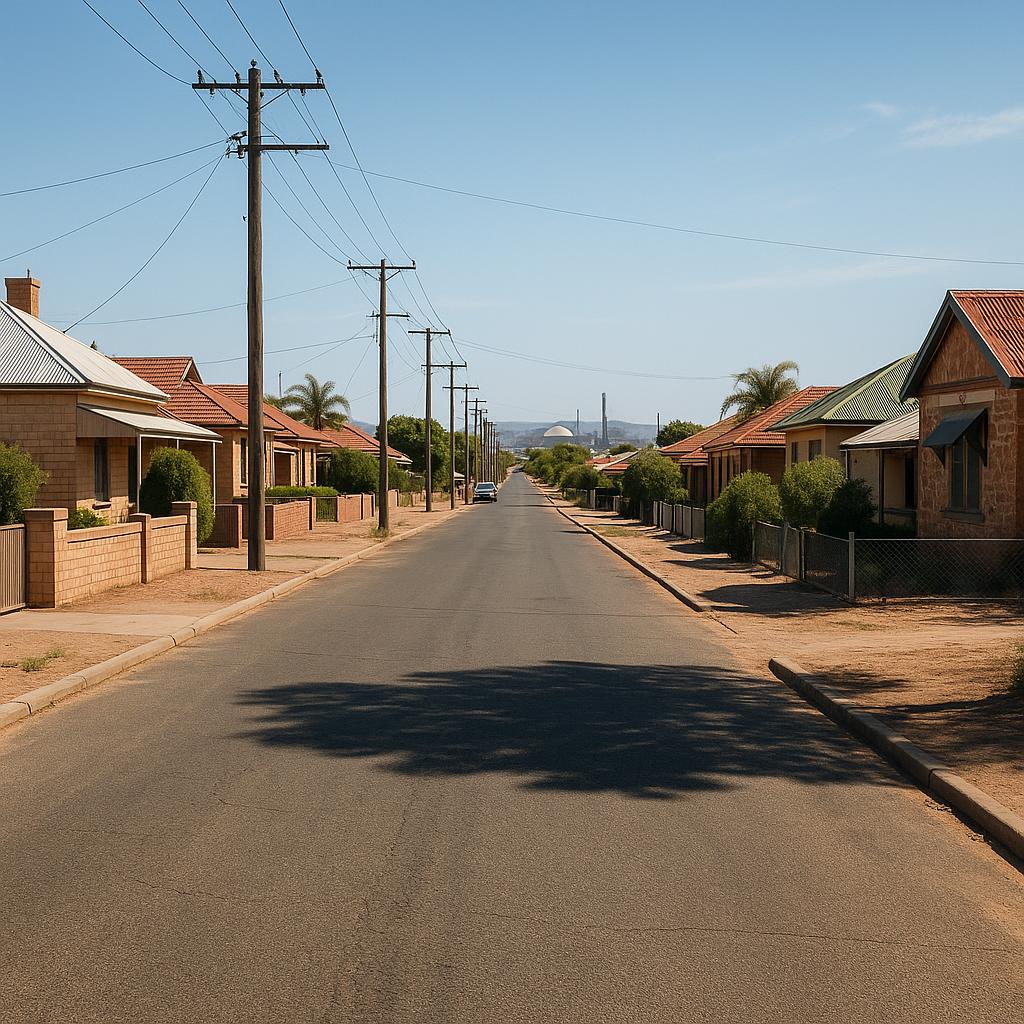
Whyalla is a major regional city in South Australia with a market that tends to be read through an affordability-and-employment lens rather than a pure lifestyle-premium lens. For buyers, that means value can look attractive, but the right purchase still depends on location, property condition, and how the home fits local demand patterns.
The market is shaped by a mix of owner-occupiers, local movers, and investors who want exposure to regional rental demand. In practical terms, homes with broad appeal, manageable upkeep, and easy access to services usually have the clearest path to holding value and attracting interest.
Because Whyalla is not a generic metro fringe market, it can respond more directly to changes in local work patterns, housing supply, and buyer confidence. That is why recent comparable sales and current rental evidence matter more than assumptions based on older market commentary.
Buyer Demand
Demand in Whyalla often comes from first-home buyers, local upgraders, investors, and workers relocating for employment. That mix usually favours practical homes that are functional from day one rather than highly stylised properties that need heavy reworking.
Buyers commonly value low-maintenance yards, sensible layouts, and properties that feel easy to live in or lease. A well-presented house near everyday amenities may attract more competition than a cheaper home with obvious repair requirements, even if the headline price looks appealing.
Rental Market
Whyalla can appeal to investors because rental demand is often supported by workers, local households, and tenants who want practical accommodation close to daily needs. The strongest rentals are usually those that reduce friction for tenants: clean presentation, durable finishes, and a layout that works for ordinary routines.
Before buying, assess not just rentability but also management effort. In regional markets, a property with modest rent but predictable upkeep can be better than a supposedly high-yielding asset that needs frequent repairs, voids, or constant tenant turnover.
Lifestyle, Transport & Schools
Whyalla offers a straightforward regional lifestyle with less congestion than larger cities and a stronger emphasis on practicality. That can suit families, workers, and owner-occupiers who want services accessible without the pace and pressure of metropolitan living.
Transport and access should be judged by daily convenience rather than by map distance alone. Consider how easily residents reach work, shopping, health services, and school routines, because those practical factors often shape both resale interest and tenancy demand.
Families generally focus on the logistics of school runs, childcare, after-school activities, and general amenity access. Rather than chasing rankings, verify current catchments and options using official sources, then compare whether a property simplifies or complicates everyday life.
Whyalla Suburb Profile
Official 2021 Census snapshot for the ABS Suburbs and Localities geography.
Age profile
Housing tenure
Occupied private dwellings by tenure type.
Salary & income profile
Median total income reported in the Census.
*Annual figures are weekly median × 52 estimates, not separate ABS annual medians.
Education & qualifications
Highest educational attainment, people aged 15+.
Employment status
People aged 15+ who reported being in the labour force.
Industry of employment
Top responses among employed people aged 15 years and over.
Occupation profile
Broad occupation groups among employed residents, including managers.
Property Type Guide
- Established houses: Often suit buyers wanting space and flexibility, but inspect carefully for deferred maintenance.
- Units and low-maintenance dwellings: Can suit investors or downsizers who prioritise simpler upkeep and easier management.
- Renovator stock: May offer upside if the repair scope is realistic and the end product matches local demand.
- Updated homes: Often attract broader buyer and tenant appeal because they reduce immediate spend after settlement.
If you are a first-home buyer, focus on liveability and future flexibility. If you are an investor, focus on durability, maintenance profile, and tenant fit. If you are renovating, get quotes early so the purchase price does not hide the real cost of the project.
Risks & Watch-Outs
- Regional markets can be more sensitive to local employment and industry changes than larger capital-city markets.
- Older homes may hide repair items such as roofing, plumbing, or heating and cooling issues.
- Cheap properties can become expensive if they need significant ongoing maintenance or compliance work.
- Not every pocket will appeal equally to owners and tenants, so location quality matters.
- Resale can take longer if the property is too niche, too tired, or poorly presented.
Avoid these mistakes by checking comparable sales, speaking with a local property manager, and budgeting for repairs before you commit. A clear hold period also helps, because regional markets can test short-term thinking.
Nearby Suburbs to Compare
- Whyalla Norrie
- Whyalla Stuart
- Whyalla Playford
- Whyalla Jenkins
- Whyalla Jenkins is worth comparing only if you are assessing broader local housing patterns and relative convenience.
Compare nearby areas by housing stock, maintenance profile, access to services, and whether the area feels more owner-occupier friendly or investor-friendly. The best comparison is not just price; it is how each pocket aligns with your use case.
FAQ
Is Whyalla a good place to buy property?
It can be, if you understand the local drivers and buy for the right reason. Whyalla often suits buyers seeking affordability and practicality, but the property still needs to stack up on condition, location, and ongoing holding costs.
Is Whyalla better for buyers or investors?
It can work for both, but the winning strategy differs. Homeowners may value space and convenience, while investors should focus on tenant demand, durability, and manageable maintenance rather than chasing the cheapest listing.
What type of property is best in Whyalla?
The best property is usually the one that matches your goal. Move-in-ready homes suit owner-occupiers, low-maintenance dwellings can suit investors, and renovators only make sense if the upgrade budget is realistic and supported by local demand.
What should investors watch out for in Whyalla?
Watch maintenance risk, vacancy risk, and local demand concentration. A property that looks affordable can still underperform if it needs constant repairs, appeals to a narrow tenant pool, or is harder to resell later.
How do I compare Whyalla with nearby suburbs?
Compare convenience, property condition, tenant appeal, and the likely buyer pool. A nearby suburb may offer similar affordability but better livability, or it may be cheaper but less attractive to long-term tenants and owner-occupiers.
Conclusion
Whyalla is best understood as a practical regional market rather than a one-size-fits-all investment story. It can suit buyers who value affordability and simplicity, but success depends on buying the right property for the right reason. If you verify current evidence, control maintenance risk, and choose with a clear strategy, the market can be workable.
Sources & How to Verify
- Check current sold results and active listings on Domain so you are not relying on outdated price expectations.
- Review the latest rental listings on realestate.com.au to compare asking rents, stock quality, and vacancy signals.
- Use ABS data to understand regional population and household trends before forming a view on demand.
- Check local planning and development information through Whyalla City Council for zoning, council works, and local infrastructure updates.
- Verify school locations and catchment details using the South Australian Department for Education before making family-driven decisions.
- Confirm transport and service access through SA Government transport information rather than assuming routes or service frequency.
- Speak with a local property manager to test the likely tenant profile, maintenance expectations, and practical rental appeal of the exact street or property type.
- Ask a conveyancer or solicitor to review title, easements, and any special conditions so your purchase decision reflects the legal realities of the property.