Quick Answer
Burnside is generally best suited to buyers who value established eastern-suburb prestige, family-friendly amenity, and long-term holding confidence over bargain pricing. It tends to suit owner-occupiers, upsizers, and investors prioritising scarcity and tenant quality rather than headline yield. The key is to match the property type to your strategy: character home, renovated family home, or low-maintenance option. In Burnside, micro-location, renovation quality, and holding costs matter just as much as the suburb name.
Key Takeaways
- Burnside typically attracts buyers seeking an established, high-amenity eastern suburbs address rather than a budget entry point.
- Family demand, lifestyle appeal, and quality housing stock usually matter more here than chasing short-term speculative momentum.
- Investors often prefer well-kept homes with broad tenant appeal, because older dwellings can carry more maintenance uncertainty.
- Renovation quality is critical: superficial upgrades may look good at inspection but hide expensive future work.
- For many buyers, Burnside is a “hold for quality” suburb, so compare it with nearby eastern suburbs before stretching the budget.
Pros & Cons
Pros
- Established prestige and strong owner-occupier appeal.
- Good fit for family living and long-term holding strategies.
- Quality homes in desirable pockets can remain tightly held.
Cons
- Entry prices can be challenging for budget-conscious buyers.
- Older housing stock may require significant maintenance or upgrades.
- Yield-focused investors may find better cash-flow options elsewhere.
Market Overview
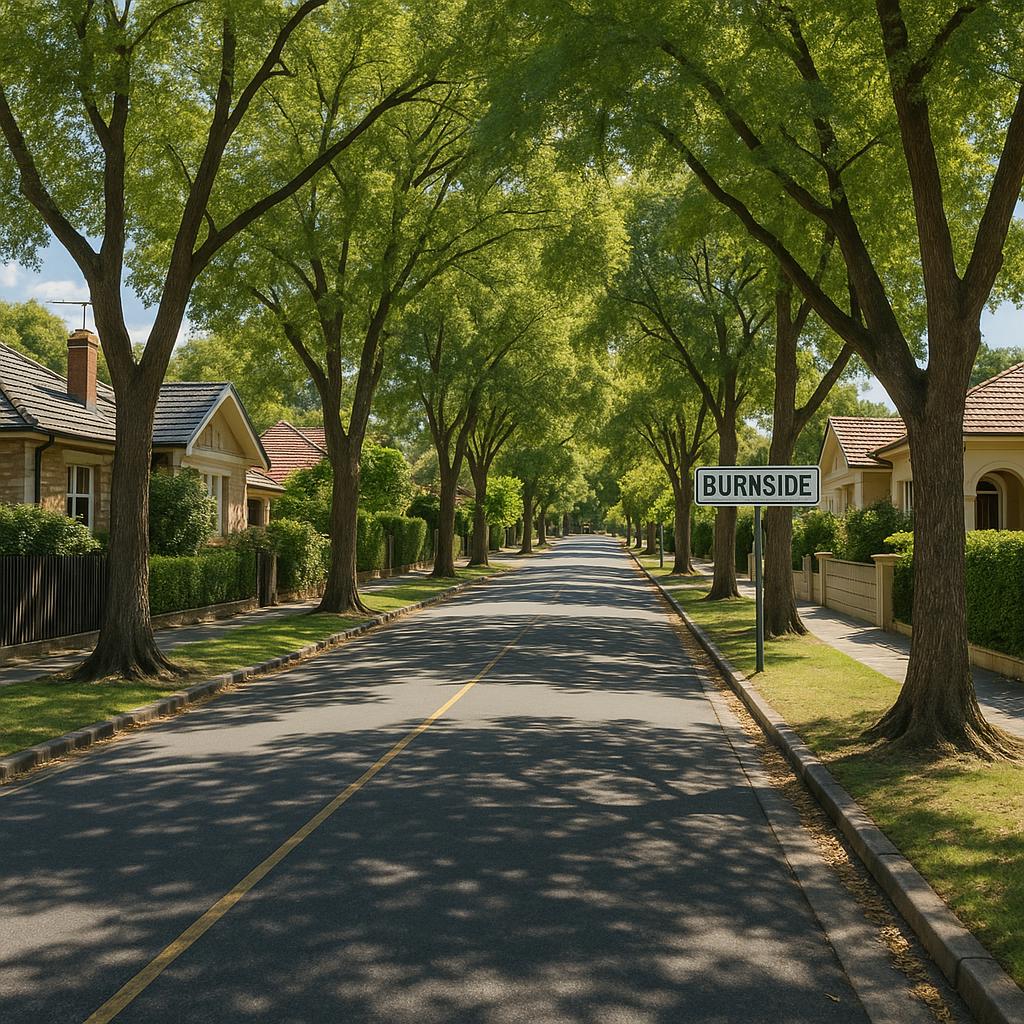
Burnside sits in Adelaide’s eastern suburbs and is widely regarded as a premium residential area with a settled, established feel. The suburb’s appeal comes from its mature streetscapes, family-oriented housing, and the sense that many homes are held for the long term rather than traded frequently.
That reputation matters, but it does not make every property equal. In Burnside, the biggest differences usually come down to street quality, land size, renovation standard, and how well the home suits modern family living. A refreshed, functional property can attract a much wider buyer pool than an older home that needs immediate work.
For investors and owner-occupiers alike, Burnside is best approached as a quality-selection market. The suburb name supports confidence, but the best outcomes usually come from choosing the right pocket and the right dwelling type for your holding period and risk tolerance.
Buyer Demand
Buyer demand in Burnside is usually driven by families, established couples, upsizers, and some downsizers who want a premium eastern-suburb lifestyle without moving far from familiar amenities. Many buyers here are not looking for a bargain; they are looking for the right house in the right street.
That means presentation and usability matter. Homes with practical floorplans, good natural light, functional outdoor space, and quality renovations tend to draw the broadest interest. If a property needs major work, the buyer pool often narrows to renovation-capable purchasers who can absorb both cost and inconvenience.
Rental Market
Burnside’s rental market generally suits tenants who value location, comfort, and a more refined residential setting. That can include professional couples, families, and longer-stay tenants who want a quality home environment and are willing to pay for it.
For landlords, the priority is not just rent level but tenancy stability and maintenance control. Updated interiors, practical climate control, secure parking, and low-maintenance outdoor areas usually help a property lease more smoothly. Older homes can still rent well, but landlords should budget carefully for repairs, compliance, and turnover costs.
Lifestyle, Transport & Schools
Burnside’s lifestyle appeal comes from its established residential character, leafy feel, and proximity to Adelaide’s eastern corridor amenity. Buyers often like the suburb because it supports a quieter, more polished day-to-day routine than denser inner-city alternatives.
Transport practicality is also important here. Road access is a key advantage for commuting, school drop-offs, and everyday errands, even if many households still prefer to map actual peak-hour travel rather than rely on approximate drive times. That simple check can make a big difference to how livable a home feels.
School access is a major consideration in this part of Adelaide, and many family buyers will compare Burnside with nearby eastern suburbs on convenience, not just reputation. Verify current catchment areas and enrolment rules directly with official sources, because these details can change and can materially affect demand.
Burnside (SA) Suburb Profile
Official 2021 Census snapshot for the ABS Suburbs and Localities geography.
Age profile
Housing tenure
Occupied private dwellings by tenure type.
Salary & income profile
Median total income reported in the Census.
*Annual figures are weekly median × 52 estimates, not separate ABS annual medians.
Education & qualifications
Highest educational attainment, people aged 15+.
Employment status
People aged 15+ who reported being in the labour force.
Industry of employment
Top responses among employed people aged 15 years and over.
Occupation profile
Broad occupation groups among employed residents, including managers.
Property Type Guide
- Character homes: Strong emotional appeal and classic eastern-suburb charm, but inspect closely for older services, moisture issues, and compliance risk.
- Renovated family homes: Often the easiest fit for owner-occupiers and a reliable option for investors seeking broad resale and rental appeal.
- Townhouses and low-maintenance homes: Useful for downsizers or time-poor buyers who want less upkeep and simpler day-to-day living.
- Premium landholdings and larger homes: Attractive for long-term capital preservation, but holding costs and buyer selectivity can be higher.
- Selection rule: Choose character for charm, renovated for convenience, low-maintenance for simplicity, and larger land for flexibility and patience.
Risks & Watch-Outs
- Older homes can hide expensive issues in roofs, plumbing, wiring, drainage, and insulation.
- Fresh cosmetic updates do not always mean the underlying structure or services are sound.
- Prestige alone should not justify a purchase if the home is poorly laid out or expensive to maintain.
- Investors chasing yield may find Burnside less compelling than more affordable suburbs with stronger cash flow.
- Well-presented homes in good pockets can attract competition, so disciplined budgeting is essential.
Nearby Suburbs to Compare
- Norwood SA Property Market Guide: Buyers & Investors
- Unley SA Property Market Guide: Buyers & Investors
- Adelaide SA Property Market Guide: Buyers & Investors
- North Adelaide SA Property Market Guide: Buyers & Investors
- Leabrook
- Toorak Gardens
FAQ
Is Burnside a good suburb for families?
Yes, Burnside is often considered a strong family suburb because it combines established housing, a quieter residential feel, and practical access to eastern-suburb amenity. Families should still check the daily routine, school access, and the home’s suitability for their stage of life.
Is Burnside better for owner-occupiers or investors?
It often suits owner-occupiers best, especially families and upsizers seeking a long-term home base. Investors can do well if they buy the right property, but Burnside is usually more attractive for capital preservation and tenant quality than for high cash flow.
What property types are most common in Burnside?
You’ll generally see a mix of character homes, updated family houses, and some lower-maintenance dwellings. The most suitable option depends on your strategy: charm and land, immediate liveability, or easier upkeep. Inspect condition carefully in older stock.
Do older homes in Burnside need more maintenance?
Often, yes. Older homes can bring hidden costs in structural elements, services, and ongoing upkeep. That does not make them bad purchases, but buyers should factor in inspections, likely repairs, and renovation timing before relying on the home’s presentation alone.
How should investors approach Burnside?
Focus on tenant appeal, condition, and holding costs rather than trying to maximise rent. A well-renovated, easy-to-maintain home with broad appeal is usually safer than a prestige property that needs ongoing work and only suits a narrow tenant group.
Conclusion
Burnside is a suburb where lifestyle, housing quality, and long-term confidence tend to matter more than bargain hunting. It can be an excellent fit for families, upsizers, and investors who value scarcity and stability. The smartest approach is to compare property types carefully, verify condition, and test the home against nearby eastern-suburb alternatives.
Sources & How to Verify
- Check current sold results, active listings, and rental asking prices on Domain so you are comparing real market evidence rather than relying on broad suburb reputation.
- Use realestate.com.au to review listing history, property features, and how long comparable homes have been on market.
- Confirm local planning and zoning details through the South Australian Planning and Design Code before assuming renovation or redevelopment potential.
- Verify school intake boundaries and enrolment details via the South Australian Department for Education, since catchments and rules can change.
- Inspect local amenity, parks, and council context using the City of Burnside website, especially when comparing street-level livability.
- Review population, household, and dwelling characteristics on the ABS to understand the suburb’s broad demographic profile without relying on outdated claims.
- Use the SA Health site to confirm hospital and health-service access rather than assuming convenience from a map view.