Quick Answer
Tanunda is a Barossa Valley township suburb that suits buyers who value lifestyle, character, and regional convenience more than fast-turnover metro-style market behaviour. It is often best for owner-occupiers, downsizers, tree-changers, hospitality-linked workers, and investors who prioritise tenant fit and low-maintenance holding. The key to buying well here is matching the property to your purpose: charm for lifestyle, practicality for rental demand, and condition for long-term value.
Key Takeaways
- Tanunda blends township convenience with Barossa lifestyle appeal, so buyer motivation is often emotional as well as practical.
- The strongest purchases usually balance condition, layout, and street appeal rather than chasing the biggest block or the oldest charm.
- Owner-occupiers often favour character, walkability, and amenity access, while investors should favour easy-care homes and broad tenant appeal.
- Older housing can be highly desirable, but maintenance, insulation, drainage, and renovation scope must be checked carefully.
- Comparing Tanunda with nearby Barossa towns helps buyers separate true fit from general regional enthusiasm.
Pros & Cons
Pros
- Strong lifestyle appeal in a recognised wine-region township.
- Distinct character that attracts emotionally committed buyers.
- Broad interest from locals, downsizers, and regional lifestyle movers.
Cons
- Older homes may need ongoing maintenance and capital works.
- Regional demand can be more sensitive to local employment conditions.
- Niche or heavily customised homes may have a narrower resale pool.
Market Overview
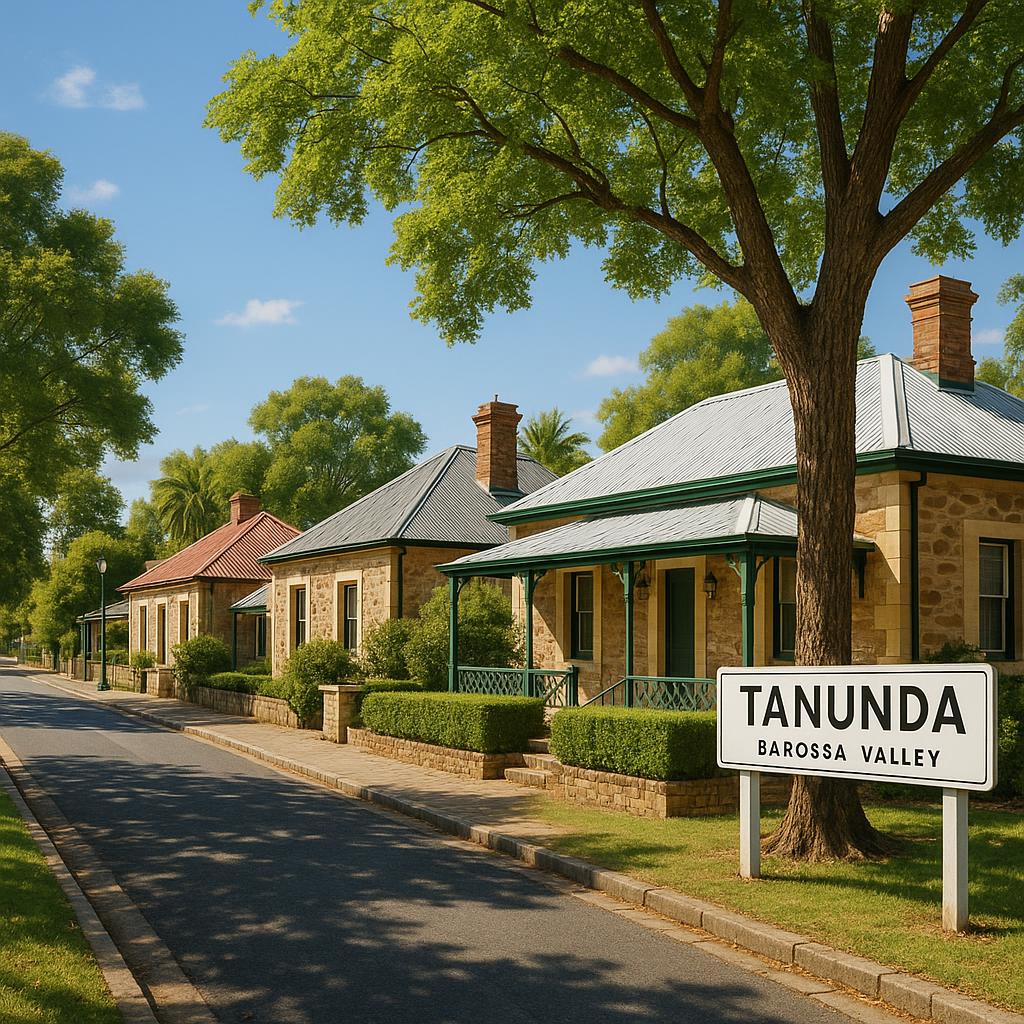
Tanunda sits at the heart of the Barossa Valley and functions as both a practical township and a lifestyle destination. That dual identity matters: buyers are often choosing between everyday convenience, heritage character, and the broader appeal of living in a well-known wine region.
The market is shaped by owner-occupiers, downsizers, locals moving within the district, and buyers drawn in by the Barossa’s reputation. In that kind of market, presentation and usability matter as much as land size. A neat, well-located home can generate stronger interest than a larger property that needs work or has awkward liveability.
For investors, the main lesson is that Tanunda should not be approached like a generic metro rental market. Tenant demand is typically more selective around condition, practicality, and upkeep. If a property is expensive to maintain or difficult to live in day-to-day, the charm may not translate into better long-term performance.
Buyer Demand
Demand in Tanunda tends to come from a mix of local upgraders, downsizers, lifestyle buyers, and people connected to tourism, food, wine, and regional services. That creates a market where desirability can be high even if transaction volumes are not constant.
Buyers usually place real value on low-friction living: manageable yards, parking, functional layouts, and a location that makes everyday errands straightforward. If you are buying for resale, think about the next buyer’s priorities, not only your own. Flexible floorplans and easy-care homes usually cast the widest net.
Rental Market
Rental demand is generally influenced by local employment, regional movement, and the broader appeal of living in the Barossa. Tenants are often looking for practical, comfortable homes rather than highly stylised properties. The more a home reduces hassle, the easier it is to keep occupied.
For investors, that usually favours properties with durable finishes, sensible layouts, good parking, and straightforward maintenance. Older homes can work well if they are well presented and cost-effective to hold, but buyers should verify current local rental evidence before assuming demand will absorb higher upkeep.
Lifestyle, Transport & Schools
Tanunda offers a slower pace, strong local identity, and the kind of wine-country setting that many buyers actively seek. That lifestyle is a major part of the suburb’s value proposition, especially for people wanting community feel without giving up everyday services.
Transport is road-based, so car dependence is a real consideration. In regional townships, convenience is less about train frequency and more about driving access, parking, commute practicality, and how easily the property works for weekday and weekend routines. Those details can materially affect resale appeal.
Families will still want to check school options, childcare, and travel logistics carefully. Official catchment and service information should be confirmed directly, because family buyers often decide on the basis of the daily routine rather than the suburb name alone.
Tanunda Suburb Profile
Official 2021 Census snapshot for the ABS Suburbs and Localities geography.
Age profile
Housing tenure
Occupied private dwellings by tenure type.
Salary & income profile
Median total income reported in the Census.
*Annual figures are weekly median × 52 estimates, not separate ABS annual medians.
Education & qualifications
Highest educational attainment, people aged 15+.
Employment status
People aged 15+ who reported being in the labour force.
Industry of employment
Top responses among employed people aged 15 years and over.
Occupation profile
Broad occupation groups among employed residents, including managers.
Property Type Guide
- Character homes: Highly appealing for lifestyle buyers, but inspect carefully for maintenance, insulation, plumbing, and any heritage-related constraints.
- Family homes: Often the broadest buyer category, especially where layouts, storage, parking, and yard usability support day-to-day life.
- Townhouse or unit-style dwellings: Can suit downsizers and investors seeking simpler upkeep, subject to any shared-cost arrangements.
- Larger blocks or semi-rural homes: Attractive for space and privacy, but they can involve higher servicing, land-care, and resale considerations.
Risks & Watch-Outs
- Older township homes can hide expensive maintenance issues behind attractive street presentation.
- Some properties may face heritage, planning, or alteration constraints that affect renovation plans.
- Site-specific drainage, water management, or soil issues should be checked before purchase.
- Highly unique homes may take longer to resell because the buyer pool is smaller.
- Holding costs can rise quickly if insurance, upkeep, or upgrades are underestimated.
Nearby Suburbs to Compare
- Nuriootpa
- Angaston
- Lyndoch
- Gawler
- Mount Barker
FAQ
Is Tanunda a good suburb for buyers?
Yes, if you want a Barossa lifestyle base with township convenience and character appeal. It suits buyers who value liveability, identity, and a slower pace. The best results usually come from matching the property type to your real purpose, not just the suburb’s reputation.
Is Tanunda good for investors?
It can be, provided you focus on tenant demand, ease of maintenance, and broad appeal. In regional markets like this, investors usually do better with practical homes that are simple to rent and cheaper to hold than with highly specialised character properties.
What type of property is best in Tanunda?
That depends on your goal. Owner-occupiers often favour character and location, while investors usually prefer low-maintenance dwellings with efficient layouts. Family homes can also perform well if they offer parking, storage, and flexible living spaces that suit a range of buyers.
Are there risks with older homes in Tanunda?
Yes. Older homes can deliver charm and strong lifestyle appeal, but they may also carry roof, plumbing, insulation, drainage, or renovation risks. A good building and pest inspection is essential, and you should always factor in ongoing upkeep before committing.
How does Tanunda compare with nearby Barossa suburbs?
Tanunda is often viewed as a central, well-known township with strong identity. Nearby suburbs may offer different mixes of convenience, village feel, or property stock. Comparing them helps you determine whether you want the strongest overall fit or simply the best-known name.
Conclusion
Tanunda is best approached as a lifestyle-led regional market where condition, usability, and long-term appeal matter more than chasing generic market headlines. Buyers and investors who respect the town’s character, maintenance realities, and tenant profile are more likely to make sound decisions. In short: choose the property that fits the life, budget, and exit strategy you actually want.
Sources & how to verify
- Check current listings and sold evidence on Domain so you can compare real asking prices with recent market behaviour.
- Review active rentals on realestate.com.au to gauge what property types are actually being leased in the area.
- Confirm zoning, overlays, and development rules with PlanSA before assuming you can renovate or extend freely.
- Use Light Regional Council resources to check local planning, community information, and any council-specific requirements.
- Verify population and dwelling characteristics through ABS so you understand the broader household context, not just the streetscape.
- Check school options and zones through the SA school zone finder before relying on hearsay or agent commentary.
- Review transport and road access details on SA Department for Infrastructure and Transport if commute practicality is part of your buying decision.