Quick Answer
Semaphore is a coastal, lifestyle-led Adelaide suburb with broad appeal to owner-occupiers, downsizers, families, and investors who value character housing, walkability, and beach access. It tends to suit buyers who are comfortable trading a newer-home formula for location, charm, and daily convenience. For investors, the attraction is usually steady tenant interest rather than speculative upside. The best purchases here are the ones that balance street appeal, practical layout, and maintenance realities.
Key Takeaways
- Semaphore’s appeal comes from its beachside identity, strong local character, and everyday convenience, not from a single “hotspot” feature.
- Buyers often compete for well-presented homes because the suburb attracts lifestyle purchasers, not just property investors.
- Character cottages, villas, and renovated homes can perform very differently depending on condition, parking, and floorplan practicality.
- Investors should focus on tenant ease: maintenance, layout, access to services, and presentation usually matter more than cosmetic charm.
- For homeowners, Semaphore is strongest when the buyer values walkability, community feel, and a coastal routine over modern uniformity.
Pros & Cons
Pros
- Strong coastal lifestyle and established suburb identity
- Broad appeal across owner-occupiers and renters
- Character housing with renovation and value-add potential
Cons
- Older homes can mean higher upkeep and due diligence
- Parking, land size, and layout may be tight in some pockets
- Emotion-driven buying can push prices beyond the underlying functional value
Market Overview
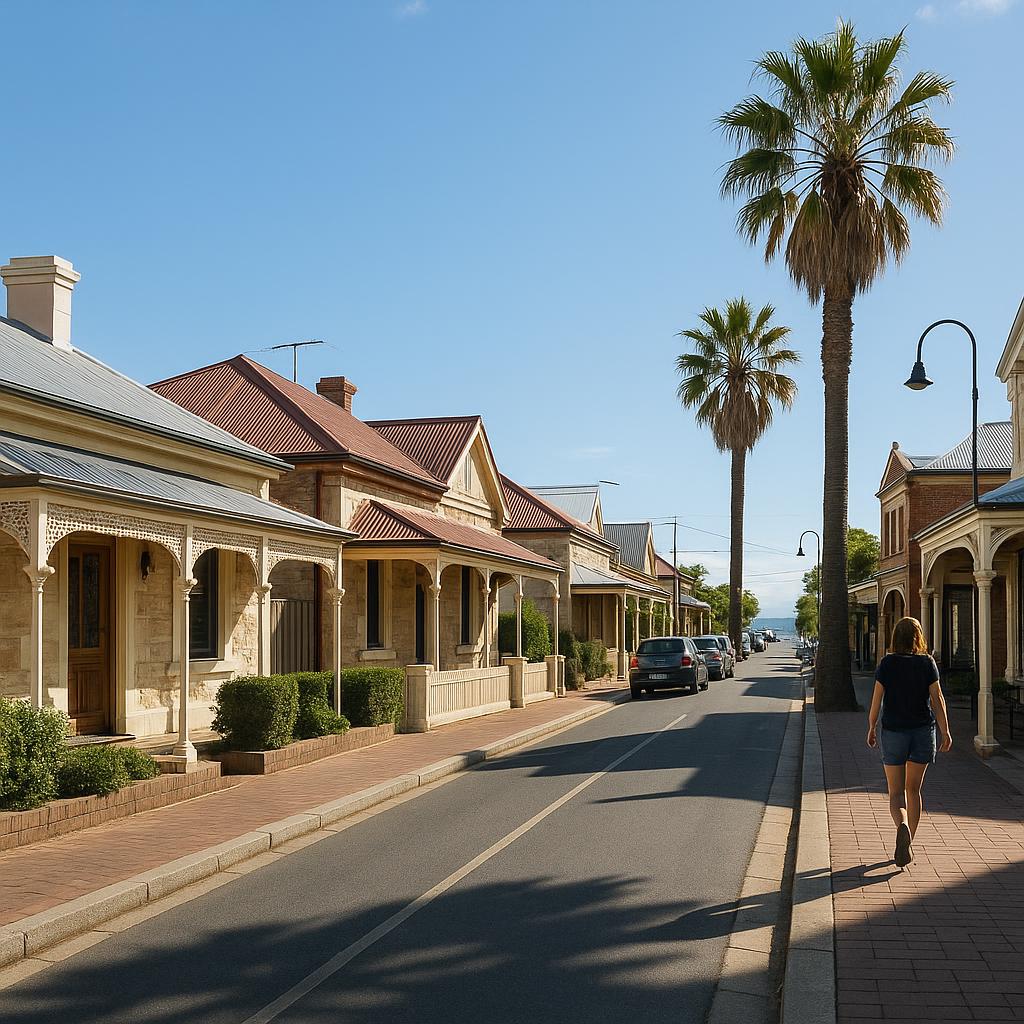
Semaphore sits on Adelaide’s Lefevre Peninsula and is known for its coastal lifestyle, historic housing mix, and village-style amenity. That combination gives it a clear market identity: people do not buy here just for bricks and mortar, they buy into a way of living. For many purchasers, the suburb’s “why” is simple—walkability, the foreshore, and a recognisable local strip.
The market is typically shaped by owner-occupier demand, especially from buyers who want character, convenience, and a beach routine. Homes in good condition, or homes with obvious renovation potential in well-regarded streets, often attract stronger attention because they align with both lifestyle and long-term holding logic. Buyers should verify current conditions with recent comparable sales and active listings rather than relying on suburb reputation alone.
From an investment perspective, Semaphore is best understood as a stable demand suburb rather than a “set and forget” yield story. The value proposition is usually about tenant appeal, livability, and long-term desirability. In practical terms, that means the right property is the one that is easy to maintain, easy to occupy, and easy to resell when the time comes.
Buyer Demand
Demand in Semaphore is driven by lifestyle buyers first and foremost. Downsizers often like the suburb because it offers amenity without feeling anonymous, while families are drawn to the community feel and the ability to build routines around the beach, local shops, and nearby services.
Investors and renovators also look here, but for different reasons. Investors want broad tenant interest and reliable occupancy, while renovators see value in older homes with strong bones, good street presence, and scope to improve functionality. A practical rule: the more move-in ready the property is, the wider the buyer pool tends to be.
Rental Market
Semaphore usually appeals to renters who want coastal living with a recognisable suburb name and everyday convenience. Typical tenant interest often comes from professionals, couples, small families, and long-term local renters who are willing to pay for location, presentation, and a good daily experience.
For landlords, the key is to prioritise usability over novelty. Neutral finishes, solid maintenance, manageable outdoor areas, and sensible layouts tend to help. Older character homes can rent well, but only when the condition matches the charm; otherwise the market may discount the property for practical friction such as poor storage, dated wet areas, or maintenance fatigue.
Lifestyle, Transport & Schools
Semaphore’s lifestyle appeal is anchored by its beach access, local dining, shopping, and strong sense of place. That matters because many buyers here are choosing a suburb as much as a dwelling. Weekend routines, walkability, and a familiar local strip can all influence willingness to pay and how long buyers hold the property.
Transport and connectivity are important because the suburb still needs to function on weekdays, not just weekends. Commuters, families, and renters all benefit from practical access to broader Adelaide and nearby employment areas, so it is worth checking your exact street’s convenience rather than assuming all parts of the suburb are equally easy to use.
Schools and childcare logistics matter as part of the suburb’s family appeal. Buyers should confirm zones and day-to-day access using current official sources, because family demand is often built around routine efficiency rather than prestige alone. A property that reduces school-run friction can be more valuable to the right household than a larger but less practical alternative.
Semaphore Suburb Profile
Official 2021 Census snapshot for the ABS Suburbs and Localities geography.
Age profile
Housing tenure
Occupied private dwellings by tenure type.
Salary & income profile
Median total income reported in the Census.
*Annual figures are weekly median × 52 estimates, not separate ABS annual medians.
Education & qualifications
Highest educational attainment, people aged 15+.
Employment status
People aged 15+ who reported being in the labour force.
Industry of employment
Top responses among employed people aged 15 years and over.
Occupation profile
Broad occupation groups among employed residents, including managers.
Property Type Guide
- Character cottages and villas: Strong charm and renovation upside, but inspect for maintenance, original services, and layout quirks.
- Semi-detached or older period homes: Often suit buyers seeking character and location, though privacy and parking can vary.
- Renovated homes: Attractive to busy buyers and families, but renovation quality matters more than cosmetic freshness.
- Units and low-maintenance options: Useful for downsizers and investors wanting easier upkeep, though outdoor space may be limited.
- Larger family homes: Best for long-term living and flexibility, but compare holding costs and maintenance against the extra space.
The practical decision is to match the property type to your goal. Lifestyle buyers often accept more charm and maintenance for location, while investors may prefer simpler maintenance and broader tenant appeal. First-home buyers should weigh entry price, liveability, and future flexibility together rather than chasing one feature in isolation.
Risks & Watch-Outs
- Older homes may hide upgrade costs in plumbing, roofing, drainage, wiring, or damp-related maintenance.
- Coastal exposure can increase wear on external materials, fixtures, and paintwork over time.
- Some buyers overpay for charm or scarcity without properly testing the floorplan for daily use.
- Parking, storage, and lot size can be limiting, especially for households with multiple cars or growing family needs.
- Street-by-street variation matters, so check noise, traffic, privacy, and the surrounding housing mix before you commit.
Nearby Suburbs to Compare
- Grange SA Property Market Guide: Buyers & Investors
- West Beach SA Property Market Guide: Buyers & Investors
- Henley Beach SA Property Market Guide: Buyers & Investors
- Glenelg SA Property Market Guide: Buyers & Investors
- North Adelaide SA Property Market Guide: Buyers & Investors
- Semaphore Park
Compare these suburbs on housing style, walkability, land size, and maintenance burden. Semaphore often stands out for its mix of coastal access and village feel, while nearby areas may offer a quieter streetscape, different housing stock, or a better fit for buyers prioritising house size or budget balance.
FAQ
Is Semaphore a good suburb to buy in?
Semaphore can be a strong buy for people who value coastal lifestyle, local amenity, and character housing. The key is to buy the right property type for your goal. A well-located, practical home is generally more robust than a charming one that is expensive to maintain.
Is Semaphore suitable for investors?
Yes, if you are targeting tenant demand and long-term suburb appeal rather than chasing a headline yield. Investors should focus on layout, maintenance, and presentation. In Semaphore, easier-to-live-in properties usually have a better chance of attracting quality tenants and holding appeal.
What types of homes are common in Semaphore?
You are likely to see character cottages, older villas, semi-detached homes, renovated houses, and some lower-maintenance dwellings. That mix is part of the suburb’s appeal, but it also means buyers need to judge each property on its own merits rather than assume one stock type suits every purpose.
Is Semaphore good for families?
It can be, especially for families who value community feel, beach access, and everyday convenience. The main question is whether the property itself works for your household. Families should test parking, storage, outdoor space, and school-run practicality before deciding.
What should buyers watch out for in older coastal homes?
Look closely at maintenance, moisture, ventilation, drainage, and the quality of any renovations. Coastal locations can be harder on external materials, so due diligence matters. A building inspection is essential, but so is checking whether the floorplan suits real-life use.
Conclusion
Semaphore is best understood as a lifestyle-first coastal suburb with real depth for both homeowners and investors. It rewards buyers who look beyond the façade and assess how a home will function over time. If you want character, walkability, and strong suburb identity, it deserves serious consideration.
Success here comes from matching the property to the strategy: liveability for owners, practicality for investors, and maintenance awareness for everyone. Buy with clear priorities, compare nearby alternatives, and verify current market conditions before making a decision.
Sources & How to Verify
- Check current sold prices and active stock on Domain so you are using live market evidence rather than relying on suburb reputation.
- Review current listings and price brackets on realestate.com.au to see what property types are actually trading in Semaphore now.
- Use ABS data to understand long-run demographic and dwelling trends, then pair it with recent local sales for a fuller view.
- Confirm school intake areas and nearby education options through the South Australian Department for Education rather than relying on third-party commentary.
- Check transport routes and service changes with Adelaide Metro because convenience can materially affect both owner-occupier and rental demand.
- Review planning and development information on the City of Charles Sturt website to understand local zoning, upgrades, and neighbourhood changes.
- Inspect recent sales and market commentary from licensed agents, but verify comparable evidence against settlement results and not just asking prices.
- Visit the suburb at different times of day to assess traffic, parking, noise, and the practical feel of the street network before you buy.