Quick Answer
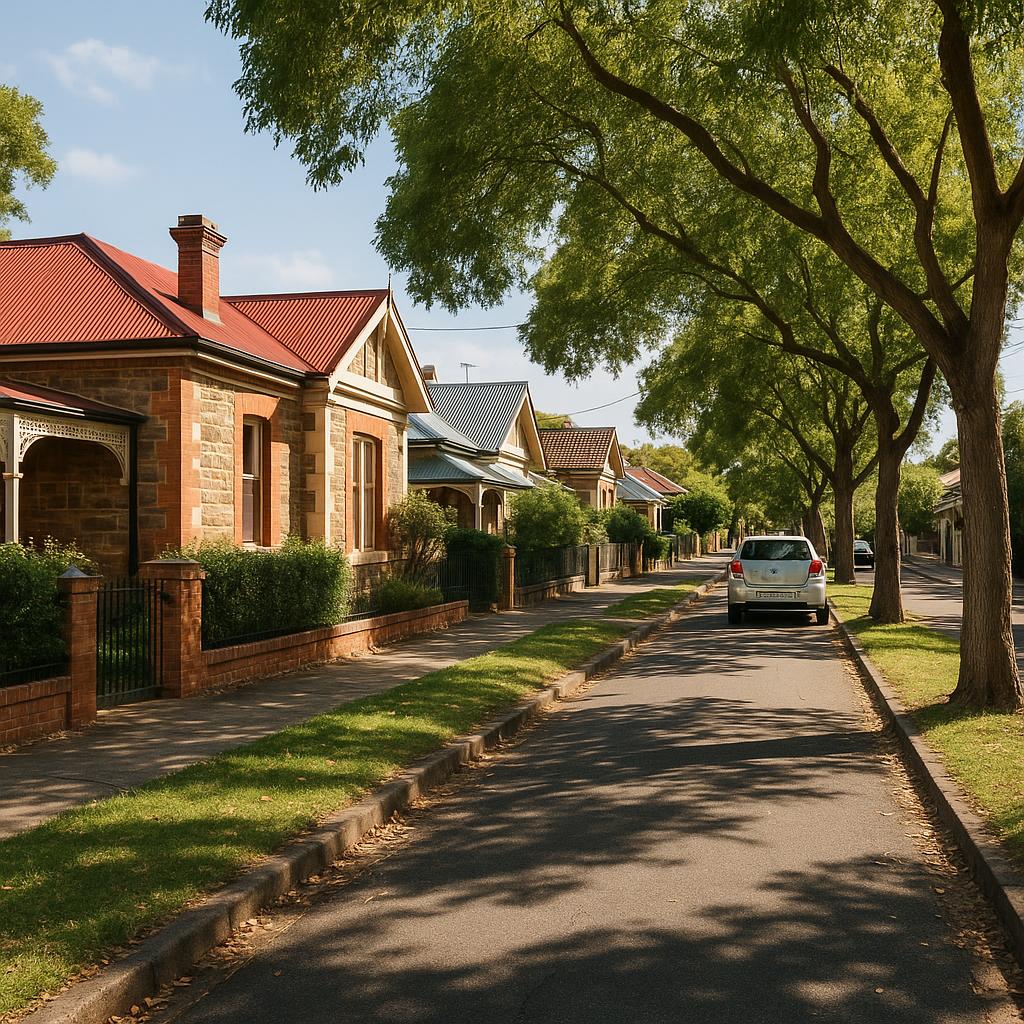
Prospect is an established inner-northern Adelaide suburb that suits buyers who value convenience, character housing, and long-term liveability. For investors, it often appeals because location-led demand can support both tenant interest and resale confidence, provided the property condition and holding costs stack up. It is usually strongest for people who want an accessible, well-connected suburb rather than a brand-new estate. The best purchases are typically well-presented homes with practical layouts, parking, and manageable maintenance.
Key Takeaways
- Prospect tends to reward buyers who prioritise location, convenience, and established suburb character over new-build simplicity.
- Demand is often supported by proximity to the CBD, everyday amenity, and a housing mix that attracts multiple buyer profiles.
- Investors should assess maintenance exposure carefully, because older homes can look attractive while still needing meaningful capital expenditure.
- Street-by-street variation matters here: noise, parking, renovation quality, and block usability can materially change value.
- The strongest purchases are usually homes that are livable now, adaptable later, and aligned with local buyer and tenant preferences.
Pros & Cons
Pros
- Inner-northern location with strong day-to-day convenience.
- Broad appeal to owner-occupiers, downsizers, and investors.
- Character housing and renovation potential can add value.
Cons
- Older stock can mean higher maintenance and upgrade costs.
- Not every street offers the same level of peace or parking ease.
- Competition can be tougher for the best-located, best-presented homes.
Market Overview
Prospect is an inner-northern Adelaide suburb with a reputation for established streets, convenience, and a generally strong owner-occupier feel. It appeals to buyers who want closer-to-city living without moving into a high-rise or a new estate.
The local market usually behaves like a location-led market: well-presented homes in good pockets tend to attract attention, while tired properties need sharper pricing to compensate for work required. In practical terms, buyers are often purchasing a combination of suburb reputation, housing form, and future flexibility.
For investors, that means the suburb’s appeal is less about chasing a single headline metric and more about assessing how the home fits into a durable inner-ring demand pool. A neat, functional home often performs better than a larger but awkward one, especially when tenant convenience and resale depth matter.
Buyer Demand
Buyer demand in Prospect is typically supported by multiple groups: professionals wanting an easier commute, families seeking access and amenity, and downsizers looking for a familiar, established setting. That mix can help liquidity when the market softens.
Demand tends to strengthen when a property is move-in ready, has sensible parking, and offers practical indoor-outdoor flow. If you are buying here, inspect the property as though you will need to resell it later to a broader audience, not just the current buyer pool.
Rental Market
Prospect can appeal to renters who want easy access to the Adelaide CBD, services, dining, and transport without sacrificing a residential feel. The most competitive rentals are usually the ones that feel comfortable, functional, and low-fuss rather than merely characterful.
For landlords, that means presentation matters as much as location. Older homes can still lease well if the kitchen, bathroom, heating/cooling, and overall maintenance standard meet modern expectations. Budget for refresh cycles, because established suburbs often reward ongoing upkeep rather than set-and-forget ownership.
Lifestyle, Transport & Schools
Prospect’s lifestyle appeal comes from its convenience: daily errands, dining, and city access are usually simpler than in outer suburbs. That convenience is a genuine value driver for households that treat time savings as part of the buying decision.
Transport access is a key consideration, but it should be checked street by street. Proximity to main roads and public transport can be a strength for commuters, yet traffic, parking pressure, and noise exposure can vary meaningfully across the suburb.
Families also tend to look closely at schooling, childcare, and general amenity proximity. Even without relying on rankings, the practical reality is that school catchments, travel time, and routine convenience can shape both demand and resale outcomes.
Prospect (SA) Suburb Profile
Official 2021 Census snapshot for the ABS Suburbs and Localities geography.
Age profile
Housing tenure
Occupied private dwellings by tenure type.
Salary & income profile
Median total income reported in the Census.
*Annual figures are weekly median × 52 estimates, not separate ABS annual medians.
Education & qualifications
Highest educational attainment, people aged 15+.
Employment status
People aged 15+ who reported being in the labour force.
Industry of employment
Top responses among employed people aged 15 years and over.
Occupation profile
Broad occupation groups among employed residents, including managers.
Property Type Guide
- Character homes: Good for buyers who want charm and street presence, but inspect carefully for maintenance, insulation, and layout efficiency.
- Updated period homes: Often the best balance of liveability and appeal, especially for buyers wanting less immediate work.
- Units and smaller dwellings: Can suit investors or downsizers seeking lower-maintenance ownership, subject to fees, privacy, and parking.
- Renovators: Best for buyers with realistic budgets, project discipline, and tolerance for holding-cost risk.
- Best strategy match: Owner-occupiers usually want comfort and practicality; investors should prioritise durability, tenant appeal, and exit flexibility.
Risks & Watch-Outs
- Older housing can hide expensive issues such as moisture, wiring, plumbing, roof wear, or poor insulation.
- Street differences matter, so a strong suburb name does not automatically mean every block is equally desirable.
- Renovation budgets can expand quickly if structural or services work is discovered after purchase.
- Overcapitalising is a real risk if upgrades exceed what the surrounding street can support.
- Buying for charm alone can lead to poor outcomes if the floor plan, storage, or parking is impractical.
Nearby Suburbs to Compare
- North Adelaide SA Property Market Guide: Buyers & Investors
- Adelaide SA Property Market Guide: Buyers & Investors
- Norwood SA Property Market Guide: Buyers & Investors
- Unley SA Property Market Guide: Buyers & Investors
- Glenelg SA Property Market Guide: Buyers & Investors
FAQ
Is Prospect a good suburb for first-home buyers?
It can be, especially if you value location and are comfortable with older housing stock. First-home buyers should focus on condition, layout, and total ownership costs rather than just suburb prestige.
Is Prospect better for buyers or investors?
It can suit both, but the property type matters more than the postcode. Buyers may prefer renovated homes, while investors should weigh rental appeal, maintenance, and long-term resale depth.
What type of property is usually strongest in Prospect?
Well-kept, functional homes with practical layouts tend to perform best because they appeal to both owner-occupiers and tenants. Renovators can work too, but only when the numbers are conservative.
How important is parking in Prospect?
Very important in many pockets. Parking can affect day-to-day livability, tenant retention, and resale appeal, particularly where street parking is tight or traffic levels are higher at certain times.
What should I inspect most carefully before buying?
Focus on building condition, moisture, services, layout efficiency, noise exposure, and how the home functions in real life. In an established suburb, the condition of the property often matters as much as the address.
Conclusion
Prospect offers an appealing mix of inner-northern convenience, character housing, and broad demand, which can work well for both homeowners and investors. The best results usually come from selecting the right street, the right property type, and a purchase price that reflects real condition, not just postcode appeal.
Sources & how to verify
- Check current listings and sold results on Domain to confirm how similar Prospect homes are being priced and presented today.
- Review current listings and suburb-level market signals on realestate.com.au before relying on any broad estimate of buyer demand.
- Use City of Adelaide information to check local planning, zoning, and any relevant development considerations.
- Verify transport routes and service changes through Adelaide Metro so commute convenience is assessed from current timetables, not assumptions.
- Confirm school zones and nearby options with the SA Government school finder because catchments and enrolment rules can influence demand.
- Use the ABS for broad demographic context only, and avoid treating older census data as a substitute for current suburb conditions.
- Ask a licensed building inspector to assess the home’s condition, because older inner-suburb stock can hide costs that are not visible in listing photos.