Quick Answer
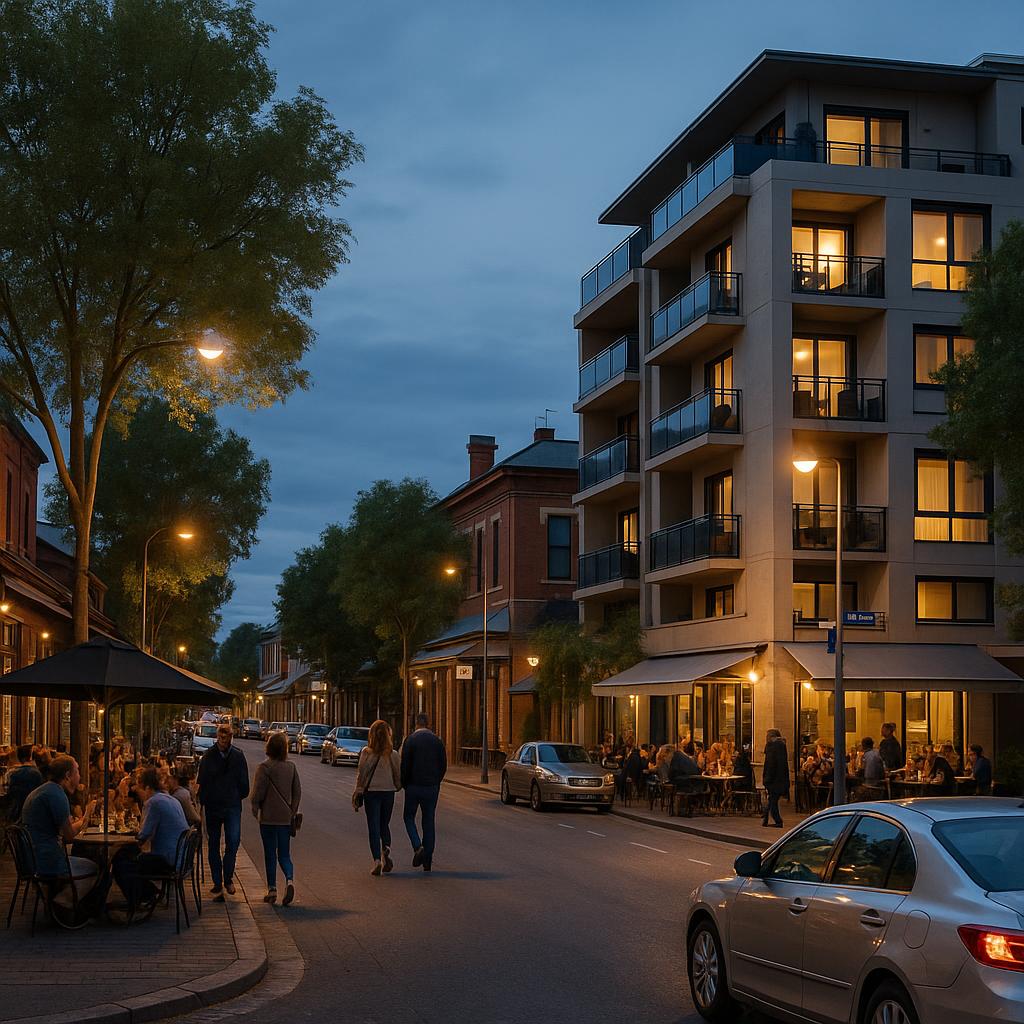
Hutt Street, SA is best viewed as a lifestyle-led inner-city location where convenience, walkability, and low-maintenance living tend to drive buyer interest. It often suits owner-occupiers who want easy access to Adelaide’s CBD, professionals who value time savings, and investors seeking tenant demand from people who prioritise location over land size. The key decision is not just whether Hutt Street is desirable, but whether the specific property type, parking, strata exposure, and noise profile match your goals.
Key Takeaways
- Hutt Street appeals most to buyers who value walkability, dining, and fast access to the Adelaide CBD.
- Property format matters more than postcode alone; apartments, townhouses, and nearby character stock each behave differently.
- Investors should assess tenant profile, body corporate costs, building quality, and parking before focusing on headline location appeal.
- Owner-occupiers often buy here for convenience and lifestyle efficiency rather than large blocks or generous outdoor space.
- The smartest purchase usually comes from matching the property to your daily routine, not chasing generic inner-city prestige.
Pros & Cons
Pros
- Strong inner-city convenience with a lifestyle offering that is easy to understand and market.
- Walkable access to cafés, services, and the CBD reduces reliance on driving for everyday tasks.
- Broad appeal to professionals, downsizers, and tenants seeking a central, low-friction base.
Cons
- Parking, traffic, and noise can be genuine trade-offs in a central location.
- Some buildings may require close strata review, especially where maintenance has been deferred.
- Buyers wanting large yards, privacy, or family-scale space may find the area less suitable.
Market Overview
Hutt Street sits in Adelaide’s inner urban area and is best understood as a city-fringe lifestyle pocket rather than a conventional family suburb. Its market is shaped by convenience, amenity, and the appeal of being close to the CBD, which means property type and exact position often matter more than broad suburb labels.
For buyers, that means the local market can feel different from surrounding areas even when they are geographically close. A neat apartment, a well-kept townhouse-style residence nearby, or a character dwelling in the broader inner-southern ring can each attract a different buyer pool and move for different reasons.
The practical takeaway is simple: Hutt Street tends to reward buyers who value time, access, and low-maintenance living. It is less about acreage-style aspirations and more about buying into a location that supports a busy, centralised lifestyle.
Buyer Demand
Demand here is usually strongest from owner-occupiers and downsizers who want a polished inner-city routine, plus professionals who need quick access to work, dining, and daily services. Investors also watch the area because central convenience can remain attractive even when broader market conditions soften.
The key demand driver is not just “location” in the abstract; it is the lived experience of reducing commute time and simplifying day-to-day life. Buyers often compare Hutt Street with nearby inner suburbs to judge whether the trade-off between prestige, quietness, parking, and property size is worth it.
Rental Market
The rental appeal is usually strongest for tenants who want a central base with minimal upkeep. That includes young professionals, city workers, downsizers between homes, and renters who prefer walkability over larger yards or a long suburban commute.
For investors, the most leaseable stock is typically the property that is easy to live in: sensible layout, good light, secure entry, practical storage, and parking where available. In this type of suburb, an efficient plan can outperform a prettier but awkward design because tenants are buying convenience as much as a roof over their heads.
Lifestyle, Transport & Schools
Hutt Street’s lifestyle profile is strongly urban. The area suits buyers who enjoy cafés, restaurants, services, and a busier street environment rather than a quiet, deeply residential setting. That makes it especially attractive to people who like to walk for coffee, errands, and after-work plans.
Transport advantages are a major part of the suburb’s value. Access to the CBD is straightforward, and walkability can materially reduce the need for a second car or frequent driving. Even so, parking should be checked carefully because central convenience can come with real compromises for households with more than one vehicle.
For schools, buyers should verify current catchments and enrolment rules directly with official sources before making decisions. The suburb can suit professionals and downsizers particularly well, while families should compare nearby alternatives if they need more space, quieter streets, or more straightforward school-run logistics.
Property Type Guide
- Apartments: Often best for investors and downsizers who want convenience, lower maintenance, and strong tenant appeal; check strata fees, building condition, and noise transfer.
- Strata units: Can work well for buyers prioritising central access, but review owners corporation records, capital works, and any restrictions before committing.
- Character homes nearby: Suited to owner-occupiers wanting charm and individuality; inspect wiring, moisture, roofing, and renovation quality carefully.
- Townhouse-style homes nearby: Useful for buyers wanting a middle ground between apartment living and more space; confirm privacy, shared-wall noise, and parking practicality.
Risks & Watch-Outs
- Traffic, footfall, and evening activity can affect comfort, sleep quality, and resale appeal depending on the exact address.
- Strata costs and special levies can materially change the true holding cost of a property.
- Older buildings may hide expensive maintenance issues such as moisture ingress, worn services, or ageing common areas.
- Parking constraints can reduce appeal for both owner-occupiers and tenants, especially if visitor parking is limited.
- Buying for “prestige” alone can lead to paying too much for a property that does not suit your actual lifestyle or investment strategy.
Nearby Suburbs to Compare
- Adelaide BC SA Property Market Guide: Buyers & Investors
- Kent Town SA Property Market Guide: Buyers & Investors
- Halifax Street SA Property Market Guide: Buyers & Investors
- University Of Adelaide SA Property Market Guide: Buyers & Investors
- Parkside
- North Adelaide
FAQ
What types of buyers suit Hutt Street best?
It usually suits buyers who want central convenience and a more urban daily routine, especially professionals, downsizers, and investors. If you value walkability, access to the CBD, and lower-maintenance living, it may fit well. If you need big outdoor space, it may not.
Is Hutt Street better for owner-occupiers or investors?
It can work for both, but for different reasons. Owner-occupiers often buy for lifestyle and convenience, while investors focus on tenant demand from people who want a central base. The better choice depends on whether your priority is liveability, income stability, or long-term flexibility.
What should investors check before buying here?
Focus on strata records, building condition, parking, layout efficiency, and the likely tenant profile. A property that looks attractive online can still be hard to lease if it has awkward access, poor storage, weak natural light, or high ongoing costs.
Is Hutt Street family-friendly?
It can suit some families, but it is not the most obvious fit for those needing a large yard, quieter streets, or straightforward school-run logistics. Families should compare nearby suburbs and verify school zones, transport needs, and parking arrangements before committing.
What property type is safest to buy here?
There is no universal safest option. The safest purchase is the one that matches your purpose and risk tolerance. For some buyers that means a well-managed apartment; for others it means a character home with documented maintenance and no hidden renovation surprises.
Conclusion
Hutt Street is best approached as a convenience-led inner Adelaide market where lifestyle, property type, and ongoing ownership costs matter more than headline appeal. Buyers and investors who match the right asset to the right use case are more likely to be satisfied long term. Compare nearby suburbs, inspect carefully, and verify every practical detail before you buy.
Sources & How to Verify
- Check current listings and recent sold results on Domain so you can test whether the property style and price range actually align with the current market.
- Use realestate.com.au to compare active rentals, floor plans, and property features, then confirm whether the local tenant story matches your investment assumptions.
- Review planning and zoning information on South Australian Government housing and land resources before assuming redevelopment potential or renovation freedom.
- Confirm local development controls and overlays through the relevant City of Adelaide pages, especially if you are considering heritage-sensitive or strata-limited stock.
- Verify transport routes, service frequency, and station or stop access using Adelaide Metro, because convenience claims should be tested against the exact address and travel time.
- Use the official SA school finder to confirm catchments and enrolment rules, rather than relying on informal assumptions about nearby schools.
- Check valuation context and comparable sales with a local agent or qualified valuer, because inner-city properties can vary sharply by building quality, aspect, parking, and strata position.