Quick Answer
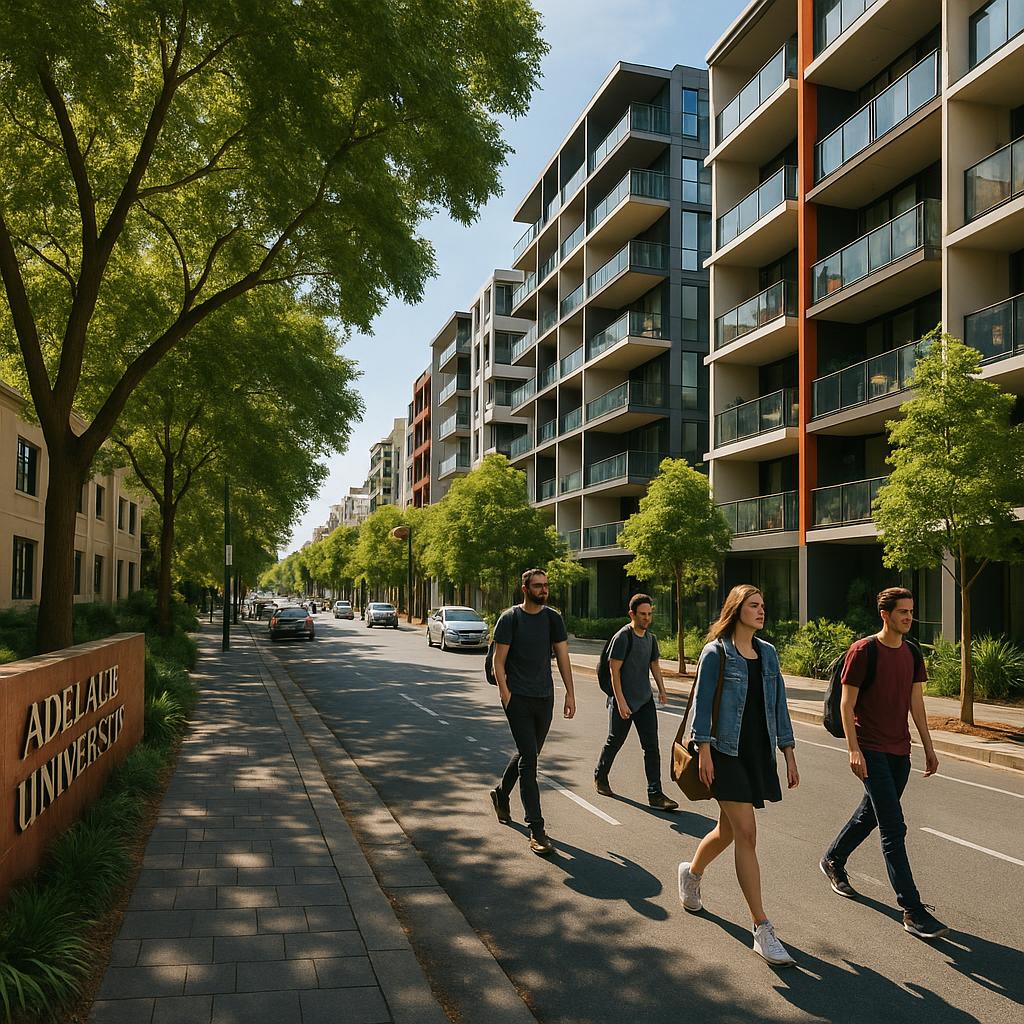
The University of Adelaide precinct suits buyers who value inner-city convenience, low-maintenance living, and access to campus, the CBD, and nearby employment. It is usually more attractive to investors and lifestyle-focused owner-occupiers than buyers chasing large land content. The strongest outcomes typically come from well-located, well-managed apartments or compact dwellings with practical layouts, secure access, and sensible ongoing costs.
Key Takeaways
- This is a convenience-led market where proximity to campus, the CBD, and services often matters more than size or land content.
- Investors should focus on leaseability, building quality, and tenant fit, not just whether the address sounds prestigious.
- Owner-occupiers are usually better served by functional layouts, good natural light, and manageable strata or maintenance obligations.
- Rental demand is commonly shaped by students, university staff, and city workers who want short commutes and low-friction living.
- The best purchases usually balance location, privacy, parking, and ongoing costs rather than relying on location alone.
Pros & Cons
Pros
- Strong access to the university, CBD, and central Adelaide amenities.
- Broad appeal to students, staff, professionals, and downsizers.
- Low-maintenance dwelling options are common.
Cons
- Less suitable for buyers who want a yard or detached-house lifestyle.
- Strata rules and fees can materially affect holding costs and flexibility.
- Parking, noise, and building condition can vary sharply from one property to the next.
Market Overview
The University of Adelaide precinct sits in a tightly held inner-city setting where daily convenience is a major part of the value proposition. In practice, that means apartments, units, and other compact dwellings tend to dominate, with demand shaped by campus activity, CBD access, and nearby employment rather than broad-acre family living.
For buyers, location quality and building quality often matter more than floor size alone. A neat, practical apartment with good light and easy access can be more desirable than a larger property with awkward access, higher noise exposure, or weak management. This is especially true where the property is expected to function as both a home and a tenant magnet.
That also means the market is not one-size-fits-all. Some stock suits owner-occupiers who want a low-hassle base near the city, while other properties are better aligned to investors seeking reliable leasing depth. The smartest purchases in this precinct usually reflect how the dwelling will actually be used day to day.
Buyer Demand
Buyer demand is typically driven by people who prioritise convenience over land size: first-home buyers, downsizers, professionals, and investors all show up in different ways. Parents purchasing for students may also play a role when a property offers a practical, central base with straightforward access to campus and services.
Competition tends to be strongest for properties that are easy to live in and easy to lease. That usually means secure entry, usable layouts, decent storage, lift access or easy stair access, and enough parking to widen the buyer pool. In this type of market, small usability differences can affect interest more than cosmetic finishes alone.
Rental Market
The likely tenant mix includes students, university staff, researchers, and young professionals who want a short commute and a straightforward lifestyle. For investors, the key is matching the dwelling to the tenant profile: compact and affordable for student demand, or better-appointed and quieter for professional renters.
Rental strength often comes from walkability, transport access, and low-maintenance living rather than pure size. A well-presented apartment with practical internet readiness, privacy, and clear lease terms may attract longer-term tenants than a flashier property with awkward design or restrictive building rules. Furnished versus unfurnished suitability should be checked carefully before buying.
Lifestyle, Transport & Schools
Lifestyle here is urban, active, and highly convenient. Buyers who value cafés, services, events, and central access tend to see the most benefit, while those who prefer quiet streets, larger outdoor space, and a suburban rhythm may find it less compelling.
Transport is a major part of the appeal. Walkability can reduce daily travel stress, and public transport access broadens the renter pool even where a car space is limited. That said, parking still matters for many buyers and tenants, especially those balancing city access with regular commuting.
On education, the university is the defining feature of the precinct. Families will still compare nearby schooling options, but the area is especially compelling for adults, students, and city-based workers who want a compact base with strong access to the broader inner Adelaide network.
Property Type Guide
- Apartments: Usually the most common option; best for convenience, but review strata fees, noise transfer, and building management.
- Units/smaller dwellings: Often a practical entry point; check storage, natural light, and functional floorplans.
- Townhouses/low-rise stock: Can suit buyers wanting more privacy and a stronger ownership feel, often with better long-term liveability.
- Older stock vs newer builds: Older homes may offer better room sizes or character; newer stock may be simpler to maintain but sometimes more compact.
The right choice depends on whether the goal is easy renting, easy living, or a middle ground between both.
Risks & Watch-Outs
- Review strata documents carefully, including fees, special levies, by-laws, and maintenance obligations.
- Check noise exposure, especially if the property faces busy roads, event activity, or high pedestrian movement.
- Parking limitations can narrow both the buyer pool and the tenant pool in some buildings.
- Inspect for ventilation issues, dampness, cladding concerns, or signs of deferred maintenance.
- Student-heavy areas can experience more frequent tenant turnover depending on the dwelling type and lease strategy.
Good location does not automatically mean low-risk ownership. In inner-city precincts, the building, its management, and the property’s layout often shape outcomes as much as the postcode does.
Nearby Suburbs to Compare
- Kent Town SA Property Market Guide: Buyers & Investors
- North Adelaide
- Adelaide University SA Property Market Guide: Buyers & Investors
- Kensington SA Property Market Guide: Buyers & Investors
- Adelaide CBD
FAQ
Is the University of Adelaide area good for first-home buyers?
It can be, if you prioritise convenience, low-maintenance living, and central access over land size. First-home buyers should focus on floorplan practicality, building quality, and ongoing costs, especially if they expect to live there long term.
Is it better for investors or owner-occupiers?
Both can suit the area, but investors often like the broad tenant demand and low-maintenance stock, while owner-occupiers need to be more selective about noise, privacy, and strata obligations. The best fit depends on the specific building.
What property type is most common?
Apartments and other compact dwellings are typically the dominant product type near a university precinct. Buyers should pay close attention to the building’s condition, layout efficiency, and the likely tenant or owner-occupier profile for that exact property.
Do I need parking?
Not always, but parking can improve resale and rental appeal, particularly for professionals and long-term renters. If there is no parking, assess walkability, public transport access, and whether the property still suits the likely occupant.
What should I check before buying?
Inspect strata costs, by-laws, maintenance history, natural light, noise levels, access, and storage. Then compare the property with similar stock nearby so you can judge whether it is genuinely well-positioned or simply well marketed.
Conclusion
The University of Adelaide precinct is a convenience-led inner-city market that rewards careful property selection. It works best for buyers and investors who value access, practicality, and low-maintenance living. Focus on the dwelling itself, not just the address, and verify building-level quality before committing.
Sources & How to Verify
- Check current sold and rental listings on Domain so you can compare real stock quality, asking ranges, and tenant-ready features before relying on any broad market assumption.
- Use realestate.com.au to review nearby comparable properties, paying attention to floorplans, parking, strata presentation, and how long similar listings stay on market.
- Review Adelaide City Council planning and local area information on City of Adelaide to confirm zoning context, nearby works, and precinct changes that could affect liveability or future value.
- Check public transport routes and service details on Adelaide Metro to verify whether the property genuinely supports car-light living and whether the commute profile suits your plans.
- Use the South Australian Department for Education website to confirm current school catchments and enrolment rules if schooling is part of your decision-making process.
- Review SA planning and development information on PlanSA if you want to understand nearby development activity, land-use changes, or approvals that may influence the local environment.
- Inspect strata records, body corporate minutes, and maintenance schedules directly from the agent or manager so you can identify hidden costs, disputes, or deferred works before making an offer.
- Cross-check university precinct information on the University of Adelaide website to understand campus activity and the type of demand the area is likely to attract across the year.