Quick Answer
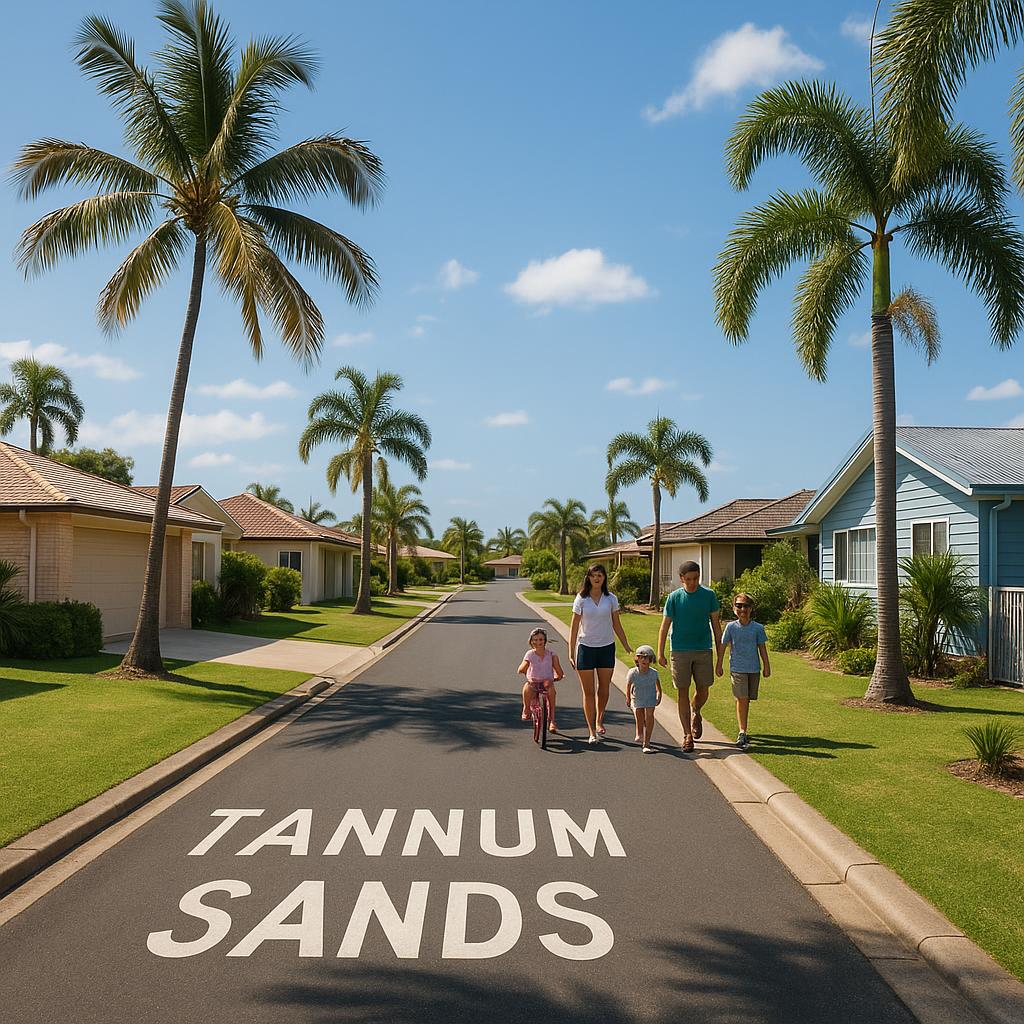
Tannum Sands suits buyers who want a coastal, community-oriented suburb with practical day-to-day livability rather than high-density urban convenience. It is often a strong fit for owner-occupiers, downsizers, families, and investors who value a broader tenant pool made up of local workers and households seeking detached homes. The most resilient purchases are usually low-maintenance properties with solid presentation, sensible layouts, and manageable upkeep in a coastal environment.
Key Takeaways
- Tannum Sands combines beachside living with the everyday practicality many regional buyers still need.
- The suburb is usually driven more by liveability and housing function than by speculative buyer behaviour.
- Investors should judge tenant depth, maintenance exposure, and insurance settings before chasing lifestyle appeal.
- Families and downsizers often prefer low-set homes, easy parking, and simpler access to daily amenities.
- The best comparisons are nearby coastal or Gladstone-region suburbs with similar housing stock and commute patterns.
Pros & Cons
Pros
- Coastal lifestyle with a relaxed suburban feel and strong owner-occupier appeal
- Practical for households wanting space, privacy, and a quieter regional pace
- Detached housing can suit families, downsizers, and long-term tenants
Cons
- Regional demand can be uneven and tied to local employment conditions
- Coastal exposure may increase maintenance, insurance, and repair attention
- Some buyers may find the suburb less convenient than larger urban centres
Market Overview
Tannum Sands is best understood as a coastal, liveability-led suburb in the Gladstone region rather than a pure investment postcode. It typically appeals to people who want a beachside setting, detached housing, and a calmer daily rhythm. For many buyers, the real question is not whether it is “nice”, but whether the suburb matches their commute, household routine, and holding strategy.
The market tends to reward properties that are easy to live in and easy to maintain. Presentation, functional floorplans, outdoor usability, and sensible upkeep matter because local buyers often compare lifestyle value against practical cost. If you want to verify current conditions, check active listings, recent sales, and time on market trends rather than relying on broad regional commentary.
For investors, the suburb is usually more about dependable rental usability than high-density turnover. That means the strongest homes are often not the flashiest, but the ones that give tenants a straightforward living experience and reduce ongoing friction.
Buyer Demand
Demand in Tannum Sands is commonly led by owner-occupiers, local upgraders, and families wanting a quieter coastal environment. Downsizers may also be active where low-set homes and manageable blocks are available. That mix matters because it tends to support homes that are functional first, attractive second.
Investors should pay close attention to what the local buyer pool actually wants. In a suburb like this, the most competitive properties are usually those with broad appeal: good parking, practical layouts, and enough outdoor space to suit family life or long-term renters. A home that solves everyday problems will usually be easier to sell or lease than one that simply looks impressive online.
Rental Market
The rental market is likely to reflect local worker demand, family households, and renters who want a coastal address without a metropolitan price structure. That usually favours detached homes and low-maintenance properties with simple upkeep, functional cooling, and solid presentation. Investors should assess whether the property would attract stable tenants, not just whether it photographs well.
As a rule, the best rental prospects are homes that minimise hassle: easy-care gardens, sensible storage, parking, and layouts that suit day-to-day family routines. Before buying, verify current rental listings and compare similar homes in the immediate area. That will show whether your target property sits in the more desirable end of the local tenant pool.
Lifestyle, Transport & Schools
Tannum Sands has a clear lifestyle identity: coastal, outdoor-friendly, and comparatively relaxed. That is a major drawcard for people who want beach access, open space, and a community feel. It also helps explain why owner-occupiers can be more emotionally committed here than in more transactional suburban markets.
Transport is still a practical issue. The suburb can suit car-based living, so buyers should think about access to work, shopping, and other daily services rather than assuming beach proximity will solve convenience needs. For families, the key question is whether the property supports a low-friction routine for school drop-off, activities, and after-school logistics.
School and childcare access can materially influence both resale and tenancy appeal, but buyers should verify catchments and enrolment rules directly with the school or Queensland Government sources. A home that makes mornings easier can be worth more in lived experience than one that simply has a better view.
Tannum Sands Suburb Profile
Official 2021 Census snapshot for the ABS Suburbs and Localities geography.
Age profile
Housing tenure
Occupied private dwellings by tenure type.
Salary & income profile
Median total income reported in the Census.
*Annual figures are weekly median × 52 estimates, not separate ABS annual medians.
Education & qualifications
Highest educational attainment, people aged 15+.
Employment status
People aged 15+ who reported being in the labour force.
Industry of employment
Top responses among employed people aged 15 years and over.
Occupation profile
Broad occupation groups among employed residents, including managers.
Property Type Guide
- Detached family homes: Often the broadest fit for owner-occupiers and family tenants.
- Low-set homes: Attractive to downsizers and anyone wanting easier access and lower physical upkeep.
- Older homes: Can offer value-add potential, but inspect carefully for maintenance and renovation scope.
- Low-maintenance builds: Usually appeal to investors and busy households wanting simplicity.
- Homes with usable yards: Stronger family appeal where outdoor living matters.
Risks & Watch-Outs
- Coastal exposure can increase wear on roofs, fixtures, paintwork, and external materials.
- Insurance and long-term upkeep should be factored into holding costs, not treated as an afterthought.
- Regional market demand can shift with local employment and broader economic conditions.
- Older properties may need more due diligence around drainage, moisture, and structural condition.
- A lifestyle setting can tempt buyers to overpay unless the fundamentals stack up.
Nearby Suburbs to Compare
- Kin Kora QLD Property Market Guide: Buyers & Investors
- New Auckland QLD Property Market Guide: Buyers & Investors
- Gladstone Central QLD Property Market Guide: Buyers & Investors
- Boyne Island
- Gladstone region suburbs
FAQ
Is Tannum Sands a good suburb for families?
Yes, if your family values a coastal environment, detached housing, and a calmer pace of life. It is worth checking school access, commute patterns, and whether the home’s layout genuinely suits daily routines such as drop-off, storage, and outdoor play.
Is Tannum Sands a good suburb for investors?
It can be, provided you focus on tenant depth and maintenance control rather than lifestyle appeal alone. The better investment choices are usually low-maintenance homes with broad rental appeal, sensible layouts, and manageable coastal exposure.
What property types tend to suit Tannum Sands best?
Detached houses and low-set homes are often the most versatile because they suit both owner-occupiers and families. Investors may also favour simple, durable homes that are easier to lease, maintain, and resell if market conditions soften.
What should buyers check before purchasing a coastal home here?
Inspect roofing, drainage, external materials, moisture signs, and overall upkeep. Then verify zoning, flood or environmental overlays if relevant, and current insurance implications. In coastal suburbs, the real cost of ownership often sits in maintenance rather than just the purchase price.
How should I compare Tannum Sands with nearby suburbs?
Compare daily convenience, housing stock, resale depth, and tenant demand rather than only beach access. A nearby suburb may be better if you prioritise commuting efficiency or services, while Tannum Sands may suit you better if lifestyle and community feel matter more.
Conclusion
Tannum Sands is a strong consideration for buyers who want coastal living with genuine day-to-day practicality. It tends to suit people who value space, community, and a slower pace, while still needing a home that works for family life or stable long-term tenancy. The best results usually come from buying for livability, maintenance control, and resale flexibility.
Sources & How to Verify
- Check current sold prices and rental listings on Domain so you are comparing live market evidence rather than relying on broad suburb commentary.
- Use realestate.com.au to review listing photos, days on market signals, and the types of homes currently attracting buyer attention.
- Confirm local planning and development controls through the Gladstone Regional Council website before assuming a block or renovation idea is straightforward.
- Review Queensland property and school information on Queensland Government pages to verify catchments, property-related guidance, and current public information.
- Use Queensland Transport resources to check road access, service patterns, and whether the commute fits your daily routine.
- Ask a licensed building and pest inspector to assess coastal wear, moisture, drainage, and structural issues before making a purchase commitment.
- Request an insurance quote early and compare coverage assumptions, because coastal locations can change premiums, exclusions, and excesses materially.