Quick Answer
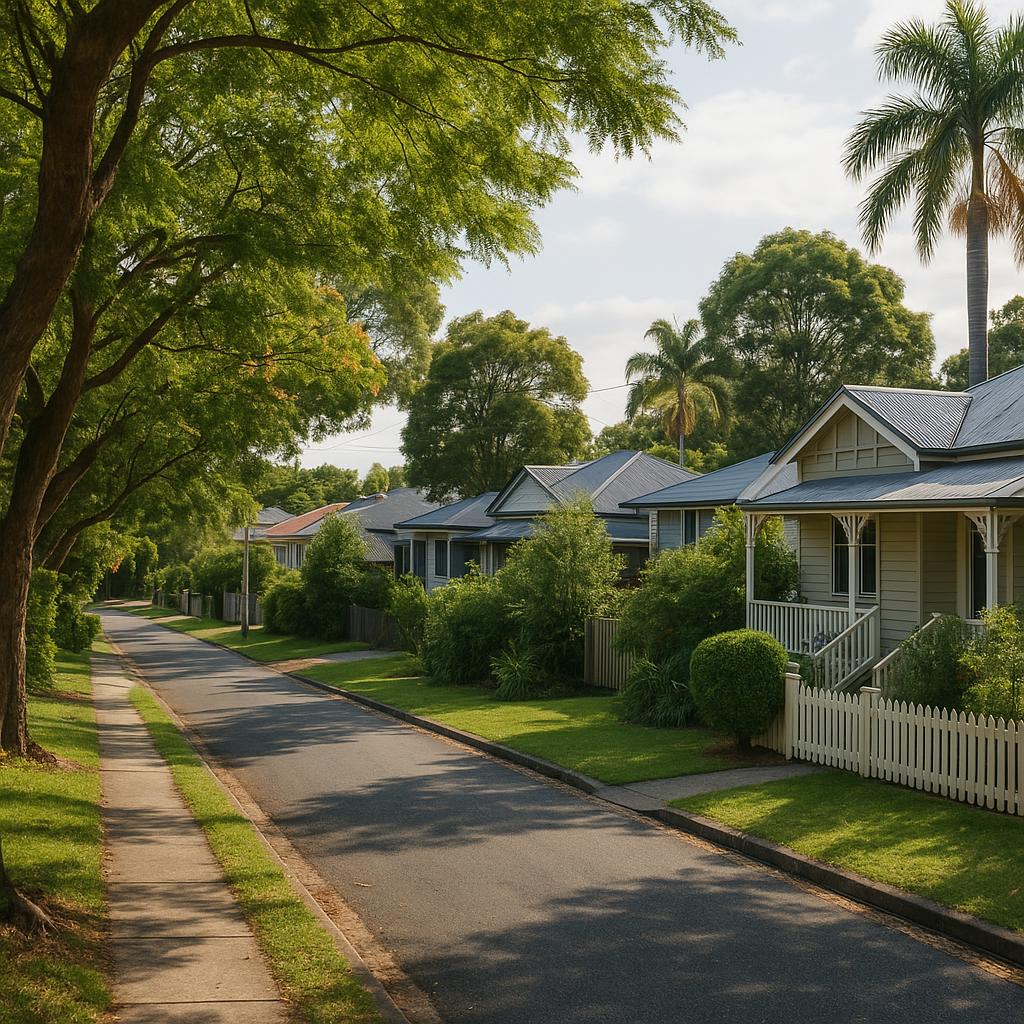
Sherwood is a well-established inner-west Brisbane suburb that tends to suit buyers who want everyday convenience, a calmer residential feel, and broad long-term appeal rather than a high-risk speculation story. It often works best for families, downsizers, and investors seeking reliable tenant demand, especially where the property is well located, well maintained, and easy to live in. The strongest results usually come from buying the right house type on the right street, not simply buying into the suburb name.
Key Takeaways
- Sherwood generally appeals to buyers who value established streets, practical amenity, and a more traditional Brisbane suburban feel.
- The suburb can suit families and owner-occupiers who want transport convenience without sacrificing a calmer residential environment.
- Investors should focus on low-maintenance stock, tenant-friendly layouts, and properties that are easy to inspect, lease, and maintain.
- Older homes can offer character and upside, but they also require tighter checks on condition, flood exposure, and upgrade costs.
- Comparable nearby suburbs can help you judge whether Sherwood offers the best mix of lifestyle, value, and holding costs.
Pros & Cons
Pros
- Established, family-friendly feel with strong lifestyle appeal.
- Good access to transport, local services, and everyday convenience.
- Mix of housing types to suit different budgets and strategies.
Cons
- Older stock can mean more maintenance and repair budgeting.
- Some properties need careful site-specific due diligence.
- Competition can be firmer for well-presented homes in preferred pockets.
Market Overview
Sherwood sits in Brisbane’s inner west and is best understood as an established residential suburb with a practical, liveable feel. It is the sort of area many buyers shortlist when they want access, amenity, and a calmer streetscape rather than a newer masterplanned environment. The suburb’s appeal is driven more by day-to-day usability than by hype.
For property decisions, that means the individual home matters a lot. A well-kept character house, a tidy townhouse, or a low-maintenance unit can each attract different buyer pools. The market typically rewards properties that are presented well, function well, and are easy to hold over time.
Buyers should separate suburb reputation from property-specific value. In a suburb like Sherwood, the street, land configuration, maintenance burden, and renovation quality can shape outcomes just as much as the postcode itself. Verify current market conditions by checking recent comparable sales, listing depth, and rental availability before making assumptions.
Buyer Demand
Demand is usually strongest from owner-occupiers who want a comfortable, established suburb with practical commuting and family-friendly amenity. That includes professional couples, families, and downsizers who prefer a quieter setting with a credible long-term lifestyle case.
Investors are typically drawn to the suburb for tenant depth rather than headline speculation. Well-located homes with low upkeep, good presentation, and functional layouts tend to be easier to lease and resell. If you are competing for a renovated home, make sure the premium is justified by the location and ongoing holding costs.
Rental Market
Sherwood can appeal to tenants who want suburban convenience, access to transport, and a settled residential environment. In practice, that often means families wanting stability and professionals who prefer a quieter base with reasonable access to major employment areas.
For landlords, the most dependable rental assets are usually the simplest to manage: clean, functional properties with practical parking, sensible layouts, and manageable maintenance. Before buying, compare similar rental listings to see what stock is actually competing for tenants, not just what the suburb is known for.
Lifestyle, Transport & Schools
The lifestyle draw is straightforward: Sherwood feels established, convenient, and comfortable for everyday living. Local retail, community amenity, and nearby parks matter because they reduce friction in daily routines, which is one reason the suburb suits long-term residents.
Transport is an important part of the equation. Rail access and bus connections can support commuting into greater Brisbane employment hubs, but buyers should still check actual walking routes, peak-hour practicality, and parking around any station or bus corridor. Street location can materially change convenience.
School considerations also matter, especially for family buyers who are making a longer-term move. Rather than relying on general reputation, verify current catchments and enrolment rules directly with official sources. In suburbs like Sherwood, education access can influence both owner-occupier competition and rental stability.
Sherwood (Qld) Suburb Profile
Official 2021 Census snapshot for the ABS Suburbs and Localities geography.
Age profile
Housing tenure
Occupied private dwellings by tenure type.
Salary & income profile
Median total income reported in the Census.
*Annual figures are weekly median × 52 estimates, not separate ABS annual medians.
Education & qualifications
Highest educational attainment, people aged 15+.
Employment status
People aged 15+ who reported being in the labour force.
Industry of employment
Top responses among employed people aged 15 years and over.
Occupation profile
Broad occupation groups among employed residents, including managers.
Property Type Guide
- Detached houses: Often best for families and long-term owners; check renovation quality, layout flow, and maintenance costs.
- Townhouses: Good compromise for buyers wanting less upkeep; review body corporate settings and design practicality carefully.
- Apartments/units: Can suit first-home buyers and investors; focus on building condition, fees, and tenant demand for that exact product.
- Renovated stock: Can save time and attract competition, but only if the premium matches local buyer expectations.
- Original stock: May offer value-add potential, but budget for upgrades and confirm the structure is worth improving.
Risks & Watch-Outs
- Older homes may hide deferred maintenance, so a building and pest inspection is essential.
- Flood, drainage, and overlay checks should be verified using official mapping and planning sources.
- Presentation can create false confidence, especially if cosmetic renovations mask poor fundamentals.
- Not every upgrade adds value, so avoid overcapitalising beyond what the local buyer or tenant pool supports.
- Body corporate and ongoing holding costs can change the maths for townhouses and units.
Nearby Suburbs to Compare
- Graceville QLD Property Market Guide: Buyers & Investors
- Chelmer QLD Property Market Guide: Buyers & Investors
- Oxley QLD Property Market Guide: Buyers & Investors
- Corinda QLD Property Market Guide: Buyers & Investors
FAQ
Is Sherwood a good suburb for families?
Sherwood can suit families well because it combines an established residential feel with practical amenity and transport access. Families should still compare streets, school access, and property type carefully, because liveability can vary meaningfully from one pocket to another.
Is Sherwood good for investors?
It can be, particularly if you prioritise long-term tenant appeal and lower-friction holding rather than speculative upside. Investors should focus on properties that are easy to maintain, easy to lease, and priced in line with current comparable rentals and sales.
What property type is best in Sherwood?
There is no single best choice. Detached houses usually suit long-term owner-occupiers and families, while townhouses and units can suit buyers wanting less maintenance. The best option depends on budget, lifestyle, and how much upkeep you are willing to manage.
What should buyers check before purchasing?
Check building condition, flood and planning overlays, access, parking, renovation quality, and any body corporate obligations if relevant. Also verify current comparable sales and rental listings so you understand whether the asking price or rent is supported by the market.
How does Sherwood compare to nearby suburbs?
Compare it with Graceville, Chelmer, Oxley, and Corinda to understand differences in housing stock, price sensitivity, and lifestyle fit. Suburb names matter less than the property’s street, condition, and ongoing holding cost relative to alternatives.
Conclusion
Sherwood is best approached as a quality-of-life suburb with solid long-term appeal, not a place to buy blindly on reputation alone. If you choose the right property type, verify the site-specific risks, and match the asset to your holding strategy, Sherwood can work for both homeowners and investors.
Sources & How to Verify
- Check current listings and recent sold results on Domain to see what buyers are actually paying for similar homes.
- Use realestate.com.au to compare active rental stock, property types, and tenant-facing features before estimating achievable rent.
- Review Brisbane planning, zoning, and property information through Brisbane City Council so you can check overlays and development constraints.
- Verify flood and hazard information using Queensland Government mapping and related resources before relying on a street’s reputation.
- Confirm school catchments and enrolment requirements via Queensland Government education resources rather than third-party summaries.
- Use the Australian Bureau of Statistics for broad demographic context, but treat it as background only rather than a substitute for property-level due diligence.
- Inspect the street in person at different times of day so you can assess traffic, noise, parking pressure, and overall amenity for yourself.
- For townhouses or units, obtain body corporate records and review levies, sinking fund position, and by-laws before making an offer.