Quick Answer
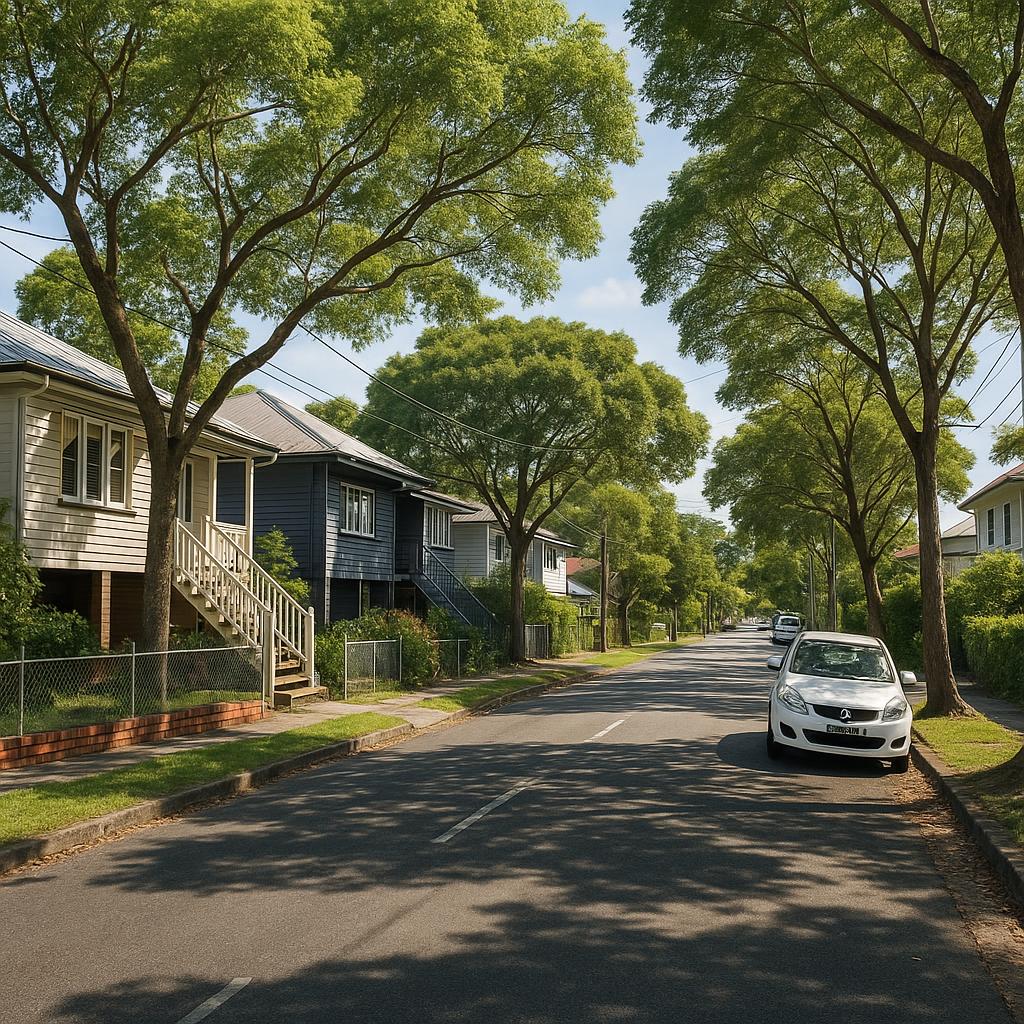
Moorooka is generally a practical inner-south Brisbane suburb for buyers who want location, access, and everyday liveability without paying the premium attached to more tightly held inner-ring areas. It can suit first-home buyers, upsizers, and investors, but the best outcome depends on picking the right pocket, property type, and condition. Treat it as a suburb where street appeal, transport access, and renovation quality matter more than broad headlines.
Key Takeaways
- Moorooka’s strength is its usable inner-south location, which appeals to both owner-occupiers and renters seeking convenience.
- The suburb can reward careful property selection, especially where layout, land use, and street presentation support long-term demand.
- Buyers should compare pockets closely, because road exposure, noise, and property age can change the living experience materially.
- Investors should focus on practical tenant appeal: easy access, low-maintenance design, and a property that presents well.
- Moorooka is best approached as a suburb of nuance, where value comes from the specific property rather than the postcode alone.
Pros & Cons
Pros
- venient inner-south positioning with access to major employment and lifestyle corridors.
- Broad appeal to a mix of buyers, which can support resale flexibility over time.
- Housing diversity that may suit different budgets and strategies, from renovate-and-hold to low-maintenance investing.
Cons
- Street-by-street variation can be significant, so a suburb-wide assumption is rarely enough.
- Older housing stock may bring higher maintenance and renovation uncertainty.
- Some locations may be influenced by traffic, infrastructure corridors, or reduced privacy.
Market Overview
Moorooka sits in Brisbane’s inner-south and is often viewed as a practical established suburb rather than a prestige address. That matters for investors and homeowners because the market is usually shaped by usability, commute convenience, and the quality of the individual dwelling, not just the suburb name.
In simple terms, Moorooka tends to attract people who want to stay relatively close to key destinations while keeping their purchase within a more achievable bracket than some premium inner areas. Demand can vary sharply by property type, renovation level, and street quality, so buyers should look at comparable homes and not rely on generic suburb commentary.
For a suburb like this, the big question is not “Is Moorooka good?” but “Which property in Moorooka is good for my purpose?” That may mean a well-kept house on a calmer street for an owner-occupier, or a tidy, easy-to-manage dwelling with broad renter appeal for an investor.
Buyer Demand
Buyer interest in Moorooka is often driven by practicality. First-home buyers may be drawn to the inner-south location, while upsizers and downsizers may value familiarity, access, and a housing mix that offers options beyond the premium end of the market.
For investors, the key attraction is that a suburb with daily convenience can remain relevant to a wide pool of tenants and future buyers. That does not guarantee strong results, but it can improve the odds of easier resale and more stable tenant interest when the property itself is well chosen.
Rental Market
Moorooka can suit renters who want a sensible commute, access to established amenities, and a suburb that feels functional rather than flashy. In investor terms, that often means the strongest rental candidates are properties that are well presented, easy to maintain, and straightforward to live in.
Practical features matter here: parking, storage, layout efficiency, and noise exposure can influence tenant choice as much as cosmetic appeal. If you are buying to lease, verify current asking rents, recent leased results, and vacancy conditions using up-to-date listings and property data rather than assuming the suburb performs uniformly.
Lifestyle, Transport & Schools
Moorooka is generally chosen for day-to-day convenience. That can appeal to households that want access to shops, services, and a straightforward suburban routine without moving too far from Brisbane’s inner ring. The lifestyle proposition is more about function and access than resort-style amenity.
Transport should be assessed carefully because it affects both living quality and resale demand. Buyers should check how the property connects to main roads and public transport, then test the commute at different times of day. A home that looks close on a map can feel very different during peak-hour traffic or when parking is limited.
Families should confirm school catchments, childcare options, and nearby education facilities directly through official sources. Good school access can strengthen buyer demand, but catchments and enrolment arrangements can change, so it is better to verify than assume.
Moorooka Suburb Profile
Official 2021 Census snapshot for the ABS Suburbs and Localities geography.
Age profile
Housing tenure
Occupied private dwellings by tenure type.
Salary & income profile
Median total income reported in the Census.
*Annual figures are weekly median × 52 estimates, not separate ABS annual medians.
Education & qualifications
Highest educational attainment, people aged 15+.
Employment status
People aged 15+ who reported being in the labour force.
Industry of employment
Top responses among employed people aged 15 years and over.
Occupation profile
Broad occupation groups among employed residents, including managers.
Property Type Guide
- Older houses: Often appeal to buyers wanting land, flexibility, and renovation upside; inspect structure and maintenance carefully.
- Renovated homes: Suit buyers wanting move-in ease, but quality of workmanship matters more than fresh finishes.
- Units and low-maintenance dwellings: May suit investors or time-poor homeowners who prioritise simplicity over land value.
- Value-add properties: Can work where the site, layout, and location support improvement, subject to planning and building checks.
- What to prioritise: Practical layout, street appeal, access, and future resale flexibility should usually outrank cosmetic extras.
Risks & Watch-Outs
- Street-by-street variation can be material, so inspect the exact location rather than relying on suburb reputation.
- Older dwellings may hide repair costs, especially if cosmetic upgrades have been prioritised over structural maintenance.
- Traffic, noise, and corridor exposure can reduce livability and resale appeal in some pockets.
- Flood, drainage, slope, and site-specific planning issues should be checked before committing to a purchase.
- Buying for “the suburb” instead of the property can lead to overpaying for an inferior dwelling or compromised street.
Nearby Suburbs to Compare
- Annerley
- Salisbury
- Tarragindi
- Yeerongpilly
- Rocklea
FAQ
Is Moorooka a good suburb for first-home buyers?
It can be, especially for buyers who value inner-south access and a more practical entry point than premium nearby suburbs. The main discipline is choosing the right pocket and property type, because condition and street quality will affect both liveability and resale confidence.
Is Moorooka a good suburb for investors?
It can suit investors who want broad tenant appeal and a location that remains relevant to workers and households seeking convenience. The best results usually come from well-presented, functional dwellings that are easy to maintain and easy to lease, not from chasing the cheapest option.
What property type usually makes the most sense in Moorooka?
That depends on strategy. Houses may appeal if you want land, improvement potential, and flexibility, while units or low-maintenance dwellings may suit investors or busy owners. Compare holding costs, maintenance needs, and likely buyer demand before deciding.
What should I check before buying in Moorooka?
Verify flood and drainage overlays, inspect for structural issues, review noise and traffic exposure, and compare the property with similar homes in nearby streets. Also check planning controls, building condition, and whether the layout suits your intended use.
How does Moorooka compare with nearby suburbs?
It is often compared on convenience, housing mix, and liveability rather than prestige. Nearby suburbs may offer different combinations of street character, family feel, land size, or ease of commuting, so the best match depends on your budget and priorities.
Conclusion
Moorooka is a sensible inner-south Brisbane suburb for buyers and investors who value access, practicality, and housing choice. It is not a one-note market, so success depends on careful due diligence, property-specific analysis, and a clear strategy. If you compare pockets carefully and verify the details, Moorooka can be a strong fit for both ownership and long-term holding.
Sources & How to Verify
- Check current listings and recent sold results on Domain so you can compare Moorooka by property type, condition, and street context rather than relying on broad suburb claims.
- Review active rentals and lease evidence on realestate.com.au to understand how quickly similar properties are being marketed and what features appear to matter most.
- Use Brisbane City Council resources to check planning overlays, local area information, and any site-specific constraints before making an offer.
- Confirm flood and hazard-related mapping through Queensland Government flood maps so you are not relying on assumptions about drainage or inundation risk.
- Verify school catchments and enrolment details using the relevant official education sources or the Queensland school catchment map before basing a purchase decision on a presumed catchment.
- Inspect transport options using official service information from Translink and then test the route yourself during peak periods to understand real-world convenience.
- Cross-check demographic and housing trends with ABS data, while remembering that census figures can be dated and should be paired with current market evidence.