Quick Answer
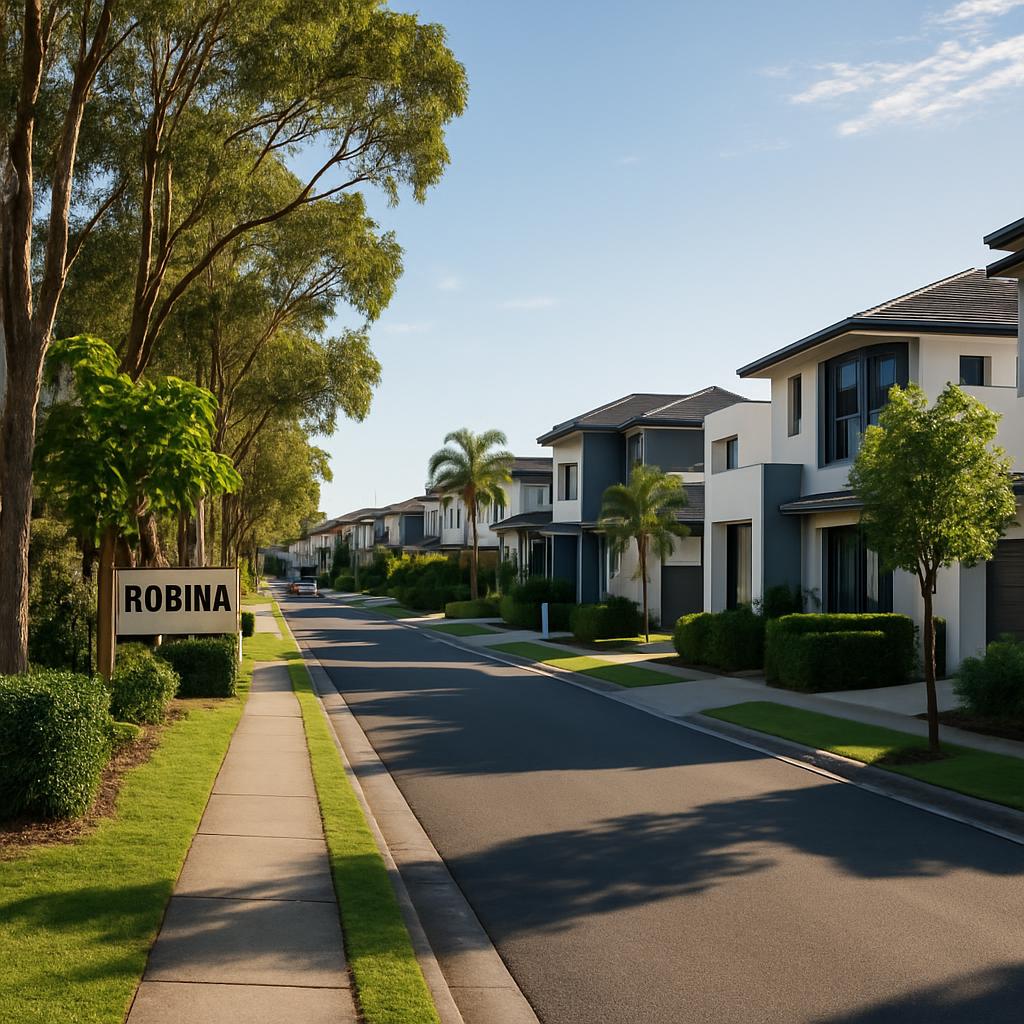
Robina suits buyers who want a well-established Gold Coast suburb with everyday convenience, strong amenity, and a broad range of property choices. It is especially appealing if you value a master-planned feel, access to retail and services, and a practical lifestyle rather than a beachfront address. For investors, the key attraction is broad tenant appeal across family, professional, and downsizer segments, although performance still depends heavily on the exact pocket, property type, and building quality.
- Best fit: households wanting convenience, amenity, and a low-fuss suburban base.
- Strongest buyer appeal: homes close to transport, schools, Robina Town Centre, and daily services.
- Common purchase style: detached houses, townhouses, and low-maintenance units depending on budget and strategy.
- Investor angle: the suburb can support multiple tenant profiles, which improves leasing flexibility.
- Decision rule: buy the right pocket and property type, not just the suburb name.
Key Takeaways
- Robina is a convenience-led suburb with broad appeal to families, professionals, downsizers, and investors seeking stable demand.
- The suburb’s biggest strength is access to shopping, schooling, health services, parks, and transport without sacrificing suburban liveability.
- Property type matters here: houses suit long-term owners, townhouses suit low-maintenance buyers, and units suit simpler ownership strategies.
- Micro-location can change the result materially, especially around busier retail, transport, and road corridors.
- Robina rewards buyers who compare pocket, building quality, and future exit market, not just the headline suburb reputation.
Pros & Cons
Pros
- Strong everyday convenience and an established amenity base.
- Broad demand from both owner-occupiers and tenants.
- Multiple property types give buyers more entry points.
Cons
- Quality stock can attract competition, especially in well-located pockets.
- Busy corridors may bring traffic, noise, or reduced privacy.
- Some dwellings come with body corporate costs or layout compromises.
Market Overview
Robina is a master-planned Gold Coast suburb with a distinctly practical, amenity-rich profile. It feels more organised and self-contained than many older coastal suburbs, which is a major reason it appeals to households that want daily convenience without being directly on the beach. For investors and homeowners alike, the draw is not just the suburb name; it is the way the local road network, retail centres, parks, schools, and housing mix work together.
The market is typically known for detached homes in family-friendly streets, along with townhouse and apartment pockets closer to services and transport. That mix matters because each property type attracts a different buyer pool. In Robina, the best outcomes usually come from matching the dwelling to the pocket, rather than assuming the suburb performs uniformly.
Buyers should read Robina as a suburb where location within the suburb still matters. A quieter residential street, a low-maintenance townhouse near services, and an apartment close to transport can each tell a different investment story. For a comparison point, see the nearby Varsity Lakes and Southport QLD Property Market Guide: Buyers & Investors to compare convenience, housing mix, and buyer profile.
Buyer Demand
Buyer demand in Robina is usually broad rather than niche. Families want functional layouts, access to schooling, and space to live comfortably. Professionals often prioritise convenience, parking, and a commute that does not require a long drive for everyday needs. Downsizers and lifestyle buyers are also drawn to lower-maintenance homes that reduce upkeep without sacrificing amenity.
That breadth is valuable because it improves resale flexibility. A property that suits one life stage today may suit another later, which can widen the exit market. The main caution is that not every street, complex, or dwelling type has the same appeal. Street-level research matters more than a broad suburb label, particularly near busier amenity corridors.
Rental Market
Robina generally has strong rental logic because it offers tenants the same thing it offers owners: convenience. That can support interest from family tenants, professionals, and renters who want access to services, transport, and a practical lifestyle. In investor terms, the tenant pool is diverse enough that one property type may work better than another depending on the target renter.
Low-maintenance dwellings often make the leasing process simpler, especially when close to amenity and transport. Houses can perform well too, but only if the home, layout, and condition align with tenant expectations. Investors should think in terms of tenant fit: a well-located townhouse may lease more predictably than a larger home with higher upkeep or poor functional design.
Lifestyle, Transport & Schools
Robina is usually chosen for convenience-based living rather than a purely coastal lifestyle. Residents can access retail, dining, health services, recreation spaces, and daily essentials locally, which reduces the need to travel for routine errands. That convenience often supports both owner-occupier demand and the willingness of tenants to pay for a well-located home.
Transport convenience is another core feature. Road access is a major selling point for commuters, but buyers should also consider the trade-off: pockets close to major routes or activity centres can feel busier and less private. For families, schooling matters just as much. Confirm current catchments, enrolment rules, and local school options directly through official sources before buying, because boundaries and requirements can change.
A practical example: a family may prefer a slightly smaller house in a stronger school-access pocket because it simplifies school runs and after-school logistics. A commuter may instead prioritise a townhouse closer to transport and services to reduce daily travel stress. In Robina, lifestyle value often comes from how much time the location saves.
Robina Suburb Profile
Official 2021 Census snapshot for the ABS Suburbs and Localities geography.
Age profile
Housing tenure
Occupied private dwellings by tenure type.
Salary & income profile
Median total income reported in the Census.
*Annual figures are weekly median × 52 estimates, not separate ABS annual medians.
Education & qualifications
Highest educational attainment, people aged 15+.
Employment status
People aged 15+ who reported being in the labour force.
Industry of employment
Top responses among employed people aged 15 years and over.
Occupation profile
Broad occupation groups among employed residents, including managers.
Property Type Guide
- Detached houses: best for families and long-term owners wanting space, privacy, and stronger land component appeal.
- Townhouses: useful for buyers wanting lower maintenance, simpler management, and a balance between price and convenience.
- Apartments / unit-style dwellings: can suit entry-level buyers or investors focused on location and easy upkeep.
- Low-maintenance stock: often suits downsizers, busy professionals, and investors who want less day-to-day oversight.
- Decision rule: if you want family longevity, lean to a house; if you want lock-and-leave simplicity, compare townhouse and unit options.
- Important check: building quality, strata rules, parking, storage, and layout efficiency can matter as much as the property type itself.
Risks & Watch-Outs
- Micro-location variation is real, so a good suburb does not automatically mean a good street or complex.
- Traffic, noise, and privacy trade-offs can increase near retail, schools, or major access roads.
- Townhouse and apartment buyers need to read body corporate records, fees, and by-law restrictions carefully.
- Do not assume every home in Robina has equal school, transport, or amenity convenience; verify the exact address.
- Inspect in person at different times of day to test livability, parking, traffic flow, and overall street feel.
Nearby Suburbs to Compare
- Burleigh Heads QLD Property Market Guide: Buyers & Investors
- Broadbeach QLD Property Market Guide: Buyers & Investors
- Palm Beach QLD Property Market Guide: Buyers & Investors
- Varsity Lakes
- Southport QLD Property Market Guide: Buyers & Investors
FAQ
Is Robina a good suburb for first-home buyers?
It can be, especially if you value convenience and want a suburb with a broad range of property types. First-home buyers should focus on the exact pocket, parking, strata exposure, and ongoing costs rather than just chasing the lowest advertised price.
Is Robina better for investors or owner-occupiers?
It can suit both. Owner-occupiers often like the liveability and practical amenity, while investors may prefer the diverse tenant pool. The better fit depends on whether you want space, low maintenance, or a property that is easy to lease and resell.
What type of property is usually most practical in Robina?
There is no single best answer. Houses suit families and long-term plans, townhouses suit lower-maintenance ownership, and apartments can suit simplicity-focused buyers. The key is aligning the property type with your holding period, budget, and likely exit market.
What should I check before buying in Robina?
Check the address-specific location, traffic exposure, parking, layout, building condition, and any body corporate obligations. Families should also verify school catchments and daily access routes. Investors should assess tenant appeal, maintenance risk, and how competitive the immediate pocket is.
How does Robina compare with nearby suburbs?
Robina is generally stronger on organised convenience and master-planned liveability. Nearby suburbs may offer more coastal feel, different housing stock, or a distinct buyer profile. Compare them based on your goal: owner comfort, tenant demand, or capital growth positioning.
Conclusion
Robina is a solid choice for buyers who want amenity, convenience, and a suburb with multiple housing options. It can work well for both families and investors, but the best results come from choosing the right pocket and property type. Treat it as a micro-market, verify current conditions, and compare it properly with nearby alternatives before committing.
Sources & how to verify
- Check current sold results and active listings on Domain to compare Robina streets, dwelling types, and asking-price positioning.
- Use realestate.com.au to review rental listings, property features, and how quickly similar homes appear in the market.
- Confirm school catchments and enrolment details through Queensland Government school catchment information before relying on any listing claim.
- Review planning, zoning, and local development information via the City of Gold Coast to understand nearby changes that could affect amenity or supply.
- Check public transport routes and station access through Translink so you know the practical commute from the exact address.
- Use the Australian Bureau of Statistics for up-to-date demographic context, but avoid treating old census data as current market evidence.
- Review flood and hazard mapping through Queensland government resources and council mapping tools to confirm site-specific risk before purchasing.
- Ask the agent or body corporate manager for strata records, maintenance history, and special levies where relevant, because hidden costs can change the real value proposition.