Quick Answer
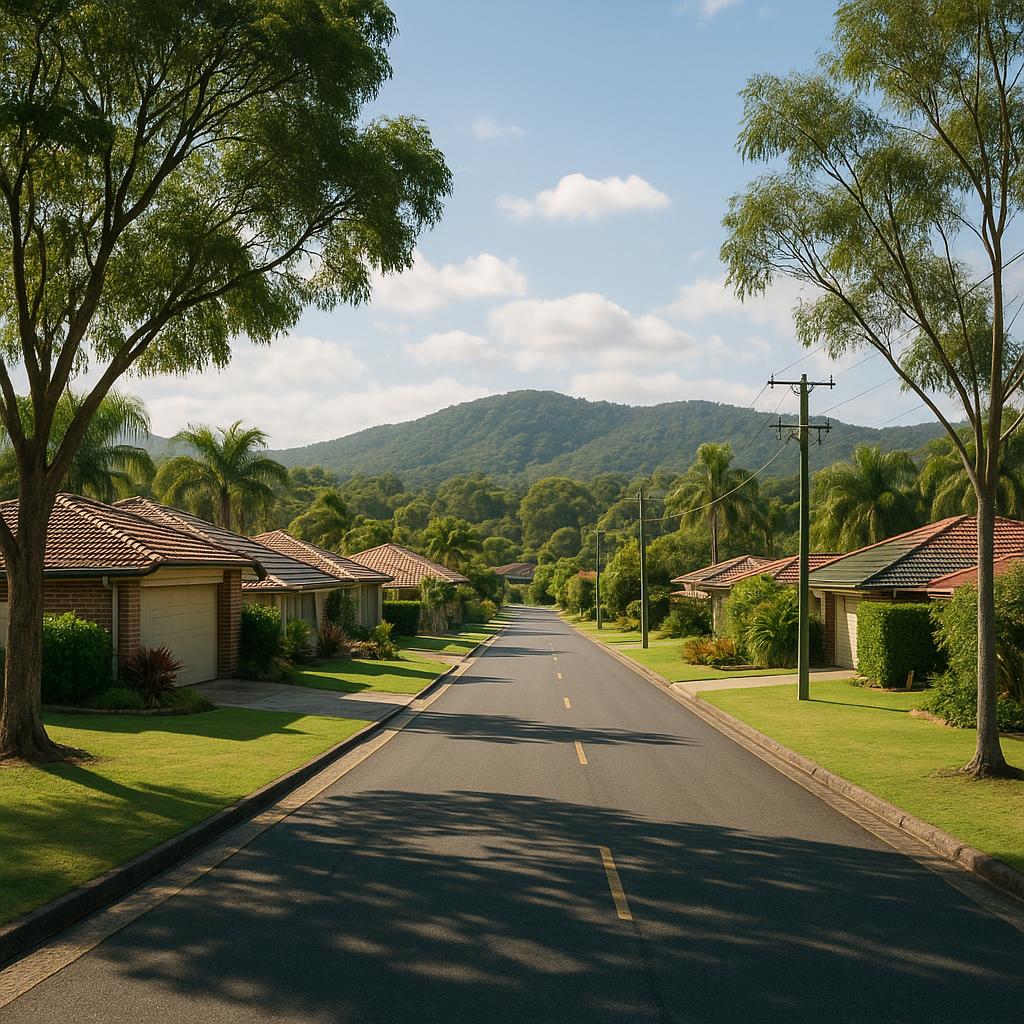
Mudgeeraba suits buyers who want a quieter Gold Coast lifestyle with more space, established housing, and practical access to the M1 and major amenities. For homeowners, it is a strong “live first” suburb with family appeal, privacy, and a semi-rural feel without sacrificing everyday convenience. For investors, the draw is broad tenant demand rather than short-term tourism, which can support steadier holding appeal. It is usually best for buyers who value land, usability, and community over beachside walkability or high-density living.
Key Takeaways
- Mudgeeraba is a lifestyle-led suburb with strong appeal for families, upgraders, and long-term hold investors seeking practical Gold Coast access.
- Buyer demand is shaped more by liveability, school access, and housing quality than by tourism or speculative momentum.
- The suburb’s property mix rewards strategy: freestanding homes, larger blocks, and newer estates each suit different buyer goals.
- It tends to suit buyers who want more space and a calmer daily rhythm than many coastal or high-density Gold Coast locations.
- Verification matters: confirm street quality, flood/drainage, zoning, and school catchments using current official and listing sources.
Pros & Cons
Pros
- Family-friendly feel with strong everyday livability.
- Broad property choice, from standard homes to larger-lot living.
- Useful access to transport corridors, retail, and services.
Cons
- Not ideal for buyers seeking beachside convenience or walkable nightlife.
- Some properties can carry higher maintenance, especially on larger blocks.
- Micro-location matters, so two similar homes can have very different appeal.
Market Overview
Mudgeeraba sits in a practical middle ground within the Gold Coast market: it is more space-oriented than many coastal suburbs, but still connected to daily amenity and regional transport. That positioning is important because it shapes who buys here—typically owner-occupiers first, then investors who prefer broad tenancy demand over short-stay or tourism-led patterns.
The suburb’s appeal is built around established homes, family infrastructure, and the ability to secure more usable space than in many denser locations. For buyers, that often means the real value is not just the postcode, but the combination of land, layout, condition, and street quality. A renovated home on a quiet street can feel materially different from an older property on a busier road.
In practical terms, Mudgeeraba tends to attract people who want a home that supports everyday life: school runs, commuting, gardening, privacy, and a calmer pace. That makes it relevant for both households moving up the property ladder and investors seeking stable, tenant-friendly stock.
Buyer Demand
Demand is usually driven by families, lifestyle buyers, and upgraders who want more home for their money than in many central coastal pockets. Buyers often arrive with a clear brief: good access, functional floorplans, and enough land or outdoor space to make the home work for real life.
From an investor’s perspective, the strongest demand tends to sit in properties that are neat, low-fuss, and easy to live in. A four-bedroom home with a usable yard, practical parking, and straightforward upkeep generally has broader appeal than a quirky property that looks attractive but is hard to maintain or resell.
Rental Market
Mudgeeraba’s rental appeal is typically strongest with families, relocating households, and longer-term tenants who want stability and convenience. That means presentation matters: clean interiors, secure outdoor space, and low-maintenance grounds can materially improve tenant interest and retention.
For investors, the key question is not just “what rent can it achieve?” but “how easily will it stay occupied and affordable to maintain?” Larger homes and acreage-style holdings may attract interest, but they also introduce more wear-and-tear risk, gardening costs, and turnover sensitivity if the property is not well managed.
Lifestyle, Transport & Schools
Mudgeeraba has a distinctly suburban-to-semi-rural character, which is one reason it resonates with households seeking calm rather than constant activity. Buyers often like that they can access major services while still feeling removed from the intensity of busier urban pockets.
Transport is mainly road-based, so access to the M1 and surrounding arterial routes is a meaningful part of the suburb’s value proposition. For many residents, the trade-off is worthwhile: they accept a drive-oriented lifestyle in exchange for space, privacy, and a more liveable home environment. If commute patterns matter, test travel at peak times rather than relying on a map alone.
Schools are a major consideration for family buyers, but catchments and enrolment rules should always be checked directly with official sources. Do not assume a property sits in a desired catchment just because it is nearby; that detail can materially affect buyer demand, resale confidence, and household decision-making.
Mudgeeraba Suburb Profile
Official 2021 Census snapshot for the ABS Suburbs and Localities geography.
Age profile
Housing tenure
Occupied private dwellings by tenure type.
Salary & income profile
Median total income reported in the Census.
*Annual figures are weekly median × 52 estimates, not separate ABS annual medians.
Education & qualifications
Highest educational attainment, people aged 15+.
Employment status
People aged 15+ who reported being in the labour force.
Industry of employment
Top responses among employed people aged 15 years and over.
Occupation profile
Broad occupation groups among employed residents, including managers.
Property Type Guide
- Freestanding family homes: Often the core stock type and usually the broadest fit for owner-occupiers and family tenants.
- Established houses on larger blocks: Attractive for space and privacy, but inspect carefully for maintenance, drainage, and usability.
- Newer estate homes: Typically easier to manage, with modern layouts that suit time-poor families and low-maintenance investors.
- Acreage or semi-rural properties: Best for buyers prioritising lifestyle and land, but they need stronger due diligence on upkeep and infrastructure.
- Townhouses nearby: A useful comparison point for buyers who want less maintenance, though the lifestyle profile is different.
A simple rule: match the property type to your goal. If you want ease and broad rental demand, a well-located house usually makes more sense than a complex lifestyle block. If you want privacy and room to spread out, acreage can work—provided you understand the ongoing obligations.
Risks & Watch-Outs
- Micro-location matters, so confirm whether the street feels quiet, convenient, and suitable for your target buyer or tenant.
- Do not confuse block size with usable value; slope, drainage, access, and landscaping can change how practical a property really is.
- Older homes may need more capital expenditure over time, especially if kitchens, bathrooms, or exteriors are tired.
- Large yards and acreage can be appealing, but they also bring maintenance, mowing, fencing, and potential insurance considerations.
- Always verify zoning, flood/drainage issues, and school catchments before making decisions based on suburb reputation alone.
Nearby Suburbs to Compare
- Robina
- Merrimac
- Worongary
- Reedy Creek
- Bonogin
- Varsity Lakes
FAQ
Is Mudgeeraba good for families?
Yes. It is commonly appealing to families because of its more spacious housing mix, practical road access, and everyday convenience. The best-fit properties are usually those with usable yards, functional floorplans, and easy access to schools, shops, and commuter routes.
Is Mudgeeraba a good suburb for investors?
It can be, especially for investors who want a broad tenant base and a property that suits long-term living. The strongest strategy is usually to buy well-located, low-maintenance stock that will remain attractive to families and relocation tenants over time.
What property types are most suitable in Mudgeeraba?
Freestanding homes are often the safest fit for broad demand. Larger blocks and acreage-style properties can work for lifestyle buyers, but they require more attention to maintenance, land usability, and ongoing costs. Match the property type to your holding strategy.
Is Mudgeeraba better for owner-occupiers or investors?
It suits both, but it is particularly strong for owner-occupiers who value space and lifestyle. Investors can still do well if they focus on properties that are easy to lease, easy to maintain, and aligned with family tenant demand rather than niche appeal.
What should buyers check before purchasing?
Inspect the street, the surrounding land use, drainage, and the property’s true maintenance burden. Also verify school catchments, commute times at peak hours, and comparable sales in the same pocket, because suburb-wide averages can hide important differences.
Conclusion
Mudgeeraba is a strong candidate for buyers who want a relaxed Gold Coast lifestyle without giving up practical access to everyday needs. It is especially compelling for families and long-term holders who value space, privacy, and stable demand. The key is to buy the right property type, in the right pocket, for the right strategy.
Sources & How to Verify
- Check current listings and recent sales on Domain so you are comparing real, current market evidence rather than general suburb impressions.
- Review current listings, recent sold examples, and rental stock on realestate.com.au to gauge how property type and presentation affect buyer interest.
- Use ABS to understand broader demographic trends, then treat them as context rather than a substitute for street-level due diligence.
- Check planning, zoning, and development controls through the City of Gold Coast before assuming a block can be altered, extended, or used as you expect.
- Confirm school catchments and enrolment arrangements using the Queensland Government’s official education resources so you do not rely on hearsay or old boundary assumptions.
- Verify train, bus, and corridor access using Queensland’s transport information rather than assuming a map distance equals practical commute time.
- Obtain building and pest inspections for any purchase, because older homes and larger blocks can hide maintenance issues that are not obvious in photos or open homes.
- Compare like-for-like sales in the same pocket, because a renovated home, corner block, or acreage parcel can behave very differently from the suburb median.