Quick Answer
The Entrance suits buyers who want a coastal-lakeside lifestyle with everyday convenience, not just a holiday feel. It can work well for owner-occupiers, downsizers, and investors, but only if the property type and location match the strategy. The strongest opportunities usually come from buying well-located, low-maintenance stock with sound building fundamentals, while checking flood, storm, strata, parking, and seasonal-demand risks before committing.
Key Takeaways
- The Entrance combines beach-town character with practical amenity, which gives it broader appeal than a pure holiday suburb.
- Buyer demand is typically driven by lifestyle, downsizing, family practicality, and investors seeking stable tenancy or seasonal appeal.
- Property type matters more here than in many suburbs, because apartments, townhouses, and houses each suit different strategies.
- Street position can change the investment case quickly, especially around foreshore access, parking, noise, and weather exposure.
- Due diligence should focus on flooding, insurance, strata, maintenance, and how the property performs beyond its visual charm.
Pros & Cons
Pros
- Coastal-lakeside setting with strong lifestyle appeal and year-round recreational value.
- Broad buyer pool including owner-occupiers, downsizers, and investors.
- Mix of apartments, townhouses, and houses supports different budgets and strategies.
Cons
- Some pockets warrant careful checks for flood, stormwater, and insurance exposure.
- Seasonal demand can make performance less predictable for short-stay strategies.
- Older stock may carry renovation, strata, or maintenance costs that are easy to underestimate.
Market Overview
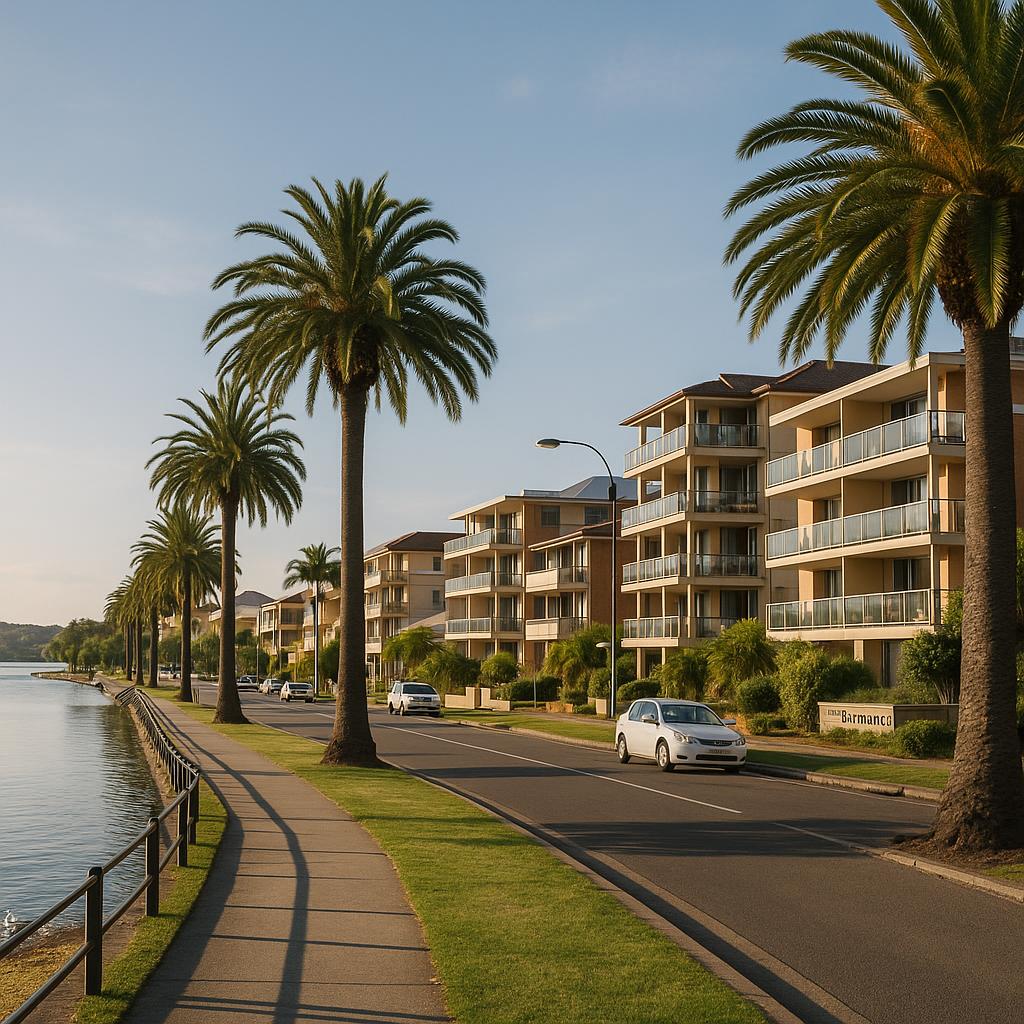
The Entrance is a coastal lakeside suburb with a recognisable holiday-town identity, but it also functions as a practical residential market. That combination matters: the same suburb can attract weekenders, retirees, first-home buyers, and long-term locals, depending on the property and exact pocket.
For buyers, that means the market is rarely uniform. Foreshore-adjacent apartments, quieter family streets, and older homes with upgrade potential can each attract different buyers and hold different levels of competition. Lifestyle value is a genuine pricing factor here, so the best assets often trade on location, condition, and liveability rather than size alone.
Investors should think in micro-markets. A property near the waterfront may have stronger emotional appeal, while a more practical dwelling set back from the busiest areas may suit longer-term tenants better. Understanding that split helps avoid paying a lifestyle premium for an asset that does not support the intended return profile.
Buyer Demand
Demand in The Entrance is usually driven by a mix of lifestyle buyers, downsizers, families wanting a coastal base, and investors looking for either stable rent or broader holiday-style appeal. The suburb’s recognisable identity helps it stay on the radar of Sydney movers and Central Coast locals.
What matters most is matching buyer profile to property type. A low-maintenance apartment close to amenities tends to suit downsizers and lock-up-and-leave buyers, while a detached house with yard space may attract families and long-term holders. Investors should look beyond aesthetics and ask who will rent, own, or resell the property in practice.
Rental Market
The rental market is shaped by permanent residents, regional workers, and lifestyle renters, with some properties also appealing to short-stay demand where planning and building rules allow it. Lower-maintenance homes and apartments often have the broadest tenant appeal because they reduce day-to-day hassle.
For investors, the key question is stability versus flexibility. A property near services and transport may offer more predictable long-term leasing, while a highly desirable coastal position can support stronger lifestyle appeal but may introduce seasonality and management complexity. Check current listings and rental competition before assuming one strategy will outperform the other.
Lifestyle, Transport & Schools
The Entrance offers a classic coastal-lakeside lifestyle with walking, fishing, beach access, cafés, and a holiday atmosphere that still feels liveable year-round. That lifestyle appeal is a major reason owner-occupiers remain interested, and it can also support resale demand when the property is presented well.
Transport is more functional than metropolitan, so buyers should assess actual daily travel patterns rather than assuming easy city-style connectivity. Commute times, parking, and bus availability matter more here than train access. For families, practical schooling needs should be checked against current catchments, travel routes, and extracurricular logistics rather than relying on broad reputation alone.
In real terms, The Entrance often suits buyers who value a slower pace, water access, and a social outdoor lifestyle. It is less about formal prestige and more about how the home fits day-to-day use, weekend routines, and future resale appeal.
The Entrance Suburb Profile
Official 2021 Census snapshot for the ABS Suburbs and Localities geography.
Age profile
Housing tenure
Occupied private dwellings by tenure type.
Salary & income profile
Median total income reported in the Census.
*Annual figures are weekly median × 52 estimates, not separate ABS annual medians.
Education & qualifications
Highest educational attainment, people aged 15+.
Employment status
People aged 15+ who reported being in the labour force.
Industry of employment
Top responses among employed people aged 15 years and over.
Occupation profile
Broad occupation groups among employed residents, including managers.
Property Type Guide
- Apartments: Often suit investors, downsizers, and first-home buyers; check strata levies, building condition, parking, noise, and renovation limits.
- Townhouses and villas: Can offer a middle ground between affordability and livability; assess layout, outdoor space, and common property obligations.
- Detached houses: Best for families, long-term owners, and renovators; review land utility, condition, parking, and maintenance scope.
- Waterfront-adjacent or view-focused properties: Can attract premium demand, but verify view permanence, access rights, insurance, and exposure to weather.
- Older stock: May offer value, but only if buyers budget for upgrades, compliance, and ongoing upkeep.
Risks & Watch-Outs
- Check flood, stormwater, and coastal exposure carefully, especially for lower-lying or water-influenced pockets.
- Do not assume a scenic location automatically produces strong returns; lifestyle appeal can mask weak fundamentals.
- Older buildings may require expensive remediation, strata work, or maintenance that changes the buying equation.
- Parking, access, and congestion can become more noticeable in busier areas and during peak visitor periods.
- Short-stay potential should be verified against current planning, building, and management rules before you rely on it.
Nearby Suburbs to Compare
FAQ
Is The Entrance NSW a good suburb to buy in?
It can be, if you want a lifestyle-led coastal market with broad appeal. The best purchases usually come from matching the dwelling to your goal, whether that is owner-occupation, downsizing, long-term tenancy, or a carefully assessed holiday-style strategy.
Is The Entrance better for owner-occupiers or investors?
It suits both, but for different reasons. Owner-occupiers are drawn to the setting and amenity, while investors need to focus on tenant demand, building quality, insurance, and whether the property actually supports stable rental performance.
What type of property is usually best in The Entrance?
There is no single best option. Apartments and townhouses often suit lower-maintenance buyers and investors, while detached houses can be better for families and long-term holders. The right choice depends on budget, upkeep tolerance, and expected holding period.
What should buyers check before purchasing near the water?
Check flood exposure, insurance implications, stormwater issues, and whether the outlook or access rights are likely to remain stable. Also inspect for corrosion, moisture, and maintenance wear, which can be more common in coastal environments.
How does The Entrance compare with nearby Central Coast suburbs?
Compared with some nearby suburbs, The Entrance has a stronger holiday-town identity and water-focused lifestyle appeal. Nearby areas such as Long Jetty or Toowoon Bay may offer different trade-offs in walkability, housing stock, beach access, and price sensitivity.
Conclusion
The Entrance can be a smart buy for lifestyle-first buyers and investors who understand its micro-markets. It rewards careful property selection, not just attraction to the coastal setting. If you verify risk, location, and holding costs properly, it can be a compelling Central Coast option.
Sources & how to verify
- Check zoning, overlays, and development controls on the NSW Planning Portal so you know what can legally be built or altered.
- Review flood-related maps and local planning information on the Central Coast Council website before buying low-lying or waterfront-adjacent property.
- Use the ABS to understand household, age, and occupancy patterns without relying on outdated suburb anecdotes.
- Check current listings, sold results, and rental competition on Domain to test whether your price assumptions still hold.
- Cross-check asking rents and stock quality on realestate.com.au so you can compare comparable properties rather than general suburb averages.
- Confirm school zones and enrolment boundaries through the NSW School Finder, because catchments can matter more than reputation alone.
- Review bus and local transport access through Transport for NSW to check practical commuting options, not just map distance.
- If the property is strata-titled, inspect the strata report, minutes, levies, and capital works planning so you understand the true holding cost profile.