Quick Answer
Strathfield is generally a strong consideration for buyers who want an established Sydney suburb with commuter convenience, family appeal, and a wide choice of property types. It can suit both homeowners and investors, but the right outcome depends heavily on the pocket, the street, and whether you choose a house, duplex, or apartment. In practice, Strathfield rewards buyers who compare like with like and assess long-term usability, not just suburb reputation.
Key Takeaways
- Strathfield attracts families, commuters, and investors because it combines established character with everyday convenience.
- Property type matters a lot here: houses, duplexes, and apartments each serve different buyer and tenant profiles.
- Transport access and school-oriented demand can support interest, but street quality and building condition still decide outcomes.
- For investors, low-maintenance appeal and strong tenant fit often matter more than chasing the highest advertised rent.
- The best comparison is usually against nearby inner-west suburbs that match your budget, property type, and holding strategy.
Pros & Cons
Pros
- Broad appeal across owner-occupiers and investors
- Strong commuter convenience and established suburb recognition
- Good range of property formats for different budgets and strategies
Cons
- Popular pockets can be competitive and price-sensitive
- Older stock may require renovation, upkeep, or strata scrutiny
- Traffic, parking, and local congestion can affect liveability in some streets
Market Overview
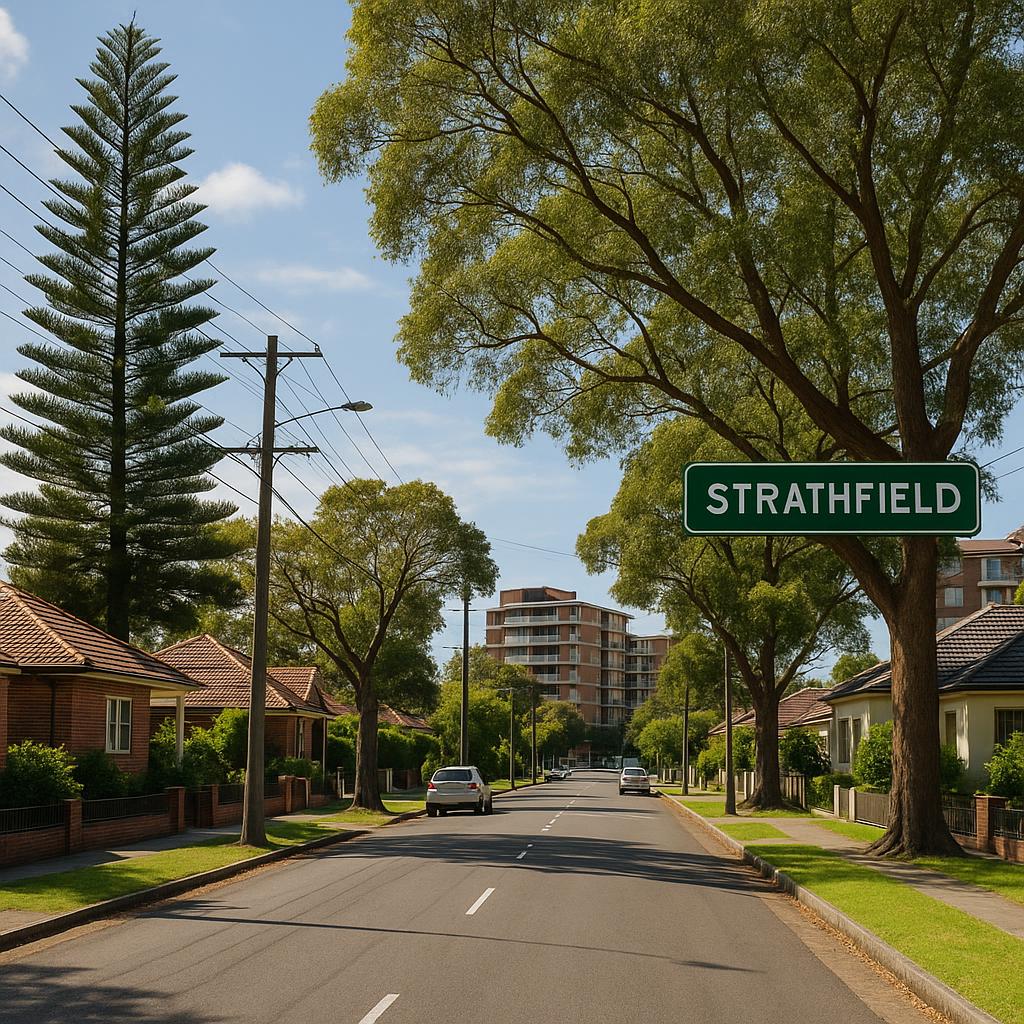
Strathfield sits in Sydney’s inner-west context and is often viewed as an established suburb with long-standing appeal for family buyers and commuters. It is not a one-note market: some streets suit prestige family living, while others are more practical for apartment buyers or investors wanting lower-maintenance ownership.
That mix matters because the asset type you buy can shape your results as much as the suburb name itself. A renovated house, an older apartment, and a modest duplex can all sit within Strathfield, yet each attracts a different buyer pool and different maintenance expectations.
For buyers, the key question is whether you are paying for land, location convenience, or convenience-plus-livability. For investors, the question is whether the property will remain easy to lease, simple to hold, and broadly acceptable to future buyers if you need to exit.
Buyer Demand
Buyer demand in Strathfield is typically driven by a blend of family priorities and commuter logic. Families want space, school access, and an established environment; professionals want transport convenience; investors want a suburb with enough recognition to keep tenant and resale interest broad.
This diversity is valuable because it can support liquidity across cycles. A well-located house may attract upgraders and families, while a tidy apartment near transport may appeal to tenants, first-home buyers, and downsizers. The main takeaway is simple: the property that feels easiest to sell later is usually the one with the cleanest functional fit.
Rental Market
Rental demand in Strathfield tends to favour convenience-led stock. Apartments and low-maintenance homes near transport, retail, and everyday services are usually easier to position with tenants who prioritise commuting efficiency and a practical weekday routine.
Houses can also rent well when they offer usable space, parking, and a layout suited to family living. Investors should assess not only the likely tenant profile, but also the ease of ongoing maintenance, strata complexity where relevant, and whether the building or home presents well at inspection time.
Lifestyle, Transport & Schools
Strathfield’s lifestyle appeal comes from its established feel, everyday convenience, and the sense that daily needs can be handled without constant cross-city travel. That practical livability often matters more to buyers than cosmetic features, especially for families planning to stay for years rather than months.
Transport is a major demand driver. Train access and broader road connectivity help widen the buyer pool because they reduce commute friction and make the suburb viable for more households. For many buyers, that convenience is a real premium because it affects weekday time, not just weekend lifestyle.
School access is another major consideration for families. Even when buyers are not making a short-term schooling move, they often factor school options into long-term planning and eventual resale demand. If school access is central to your strategy, verify catchment and enrolment information directly before making an offer.
Strathfield (NSW) Suburb Profile
Official 2021 Census snapshot for the ABS Suburbs and Localities geography.
Age profile
Housing tenure
Occupied private dwellings by tenure type.
Salary & income profile
Median total income reported in the Census.
*Annual figures are weekly median × 52 estimates, not separate ABS annual medians.
Education & qualifications
Highest educational attainment, people aged 15+.
Employment status
People aged 15+ who reported being in the labour force.
Industry of employment
Top responses among employed people aged 15 years and over.
Occupation profile
Broad occupation groups among employed residents, including managers.
Property Type Guide
- Houses: Best for families and long-term owners who value land, flexibility, and renovation upside, but they often need a bigger budget and more upkeep.
- Duplexes / semi-detached homes: A useful middle ground for buyers who want more space than an apartment without the maintenance load of a full freestanding home.
- Apartments: Often suit investors, first-home buyers, and downsizers seeking convenience, but building quality and strata health matter as much as location.
- What to prioritise: Family buyers should focus on layout, parking, and outdoor usability; investors should focus on tenant appeal, building condition, and resale depth.
Risks & Watch-Outs
- Do not assume the suburb name alone guarantees a strong purchase; a poor floor plan or compromised street can weaken future demand.
- Older homes may need meaningful renovation budgets, especially if kitchens, bathrooms, wiring, or drainage have not been updated.
- Apartments require careful strata review because levies, building defects, and poor maintenance can quickly change the holding equation.
- Traffic, parking pressure, and noise can materially affect liveability, so inspect at different times of day before deciding.
- Compare properties only with similar alternatives, because a renovated house and a basic unit should not be assessed using the same benchmark.
Nearby Suburbs to Compare
- Sydney NSW Property Market Guide: Buyers & Investors
- Parramatta NSW Property Market Guide: Buyers & Investors
- Chatswood NSW Property Market Guide: Buyers & Investors
- North Sydney NSW Property Market Guide: Buyers & Investors
- Burwood
- Homebush
FAQ
Is Strathfield a good suburb for buyers?
It can be, especially if you value an established suburb with strong commuter convenience and family-friendly appeal. The best outcomes usually come from buying the right property type in the right pocket, rather than simply buying into the suburb name.
Is Strathfield a good suburb for investors?
Potentially yes, but investor success depends on tenant fit, strata or maintenance costs, and resale flexibility. A well-located, practical property is usually more defensible than one that relies on prestige alone or needs heavy ongoing spending.
What property type is usually most flexible in Strathfield?
That depends on your budget and objective. Houses tend to suit family buyers and long-term owners, while apartments often suit investors and downsizers. Duplexes and semis can be a useful middle-ground option for buyers wanting balance.
What should I check first before buying in Strathfield?
Start with street quality, transport access, building or renovation condition, and the likely future buyer pool. Then check holding costs, parking, and any school or amenity considerations that matter to your household or investment strategy.
How should I compare Strathfield with nearby suburbs?
Compare like with like: house to house, apartment to apartment, and similar renovation levels. Then assess commute convenience, school access, and likely resale depth so you can see which suburb best fits your goals.
Conclusion
Strathfield stands out as an established inner-west suburb with real breadth: family homes, apartments, commuter convenience, and long-term appeal. The smartest buyers focus on the specific pocket and property type, not just the postcode. If you compare carefully, verify current market evidence, and buy for your strategy, Strathfield can be a strong, practical choice.
Sources & How to Verify
- Check current sold prices and live listings on Domain before relying on any market estimate.
- Review suburb profiles and recent comparable sales on realestate.com.au to see how property type and condition affect pricing.
- Use the ABS to verify demographic changes, household structure, and broader census context.
- Check train and network information on Transport for NSW to confirm current travel options and service details.
- Confirm school zones and official school information through the NSW public school finder rather than relying on assumptions or hearsay.
- Review planning controls and development applications through the NSW Planning Portal to understand nearby development risk or change.
- Check local amenity, parking rules, and community updates on the relevant local council website if your chosen pocket borders council infrastructure or local works.